10 Things You Should Never Put in the Dishwasher
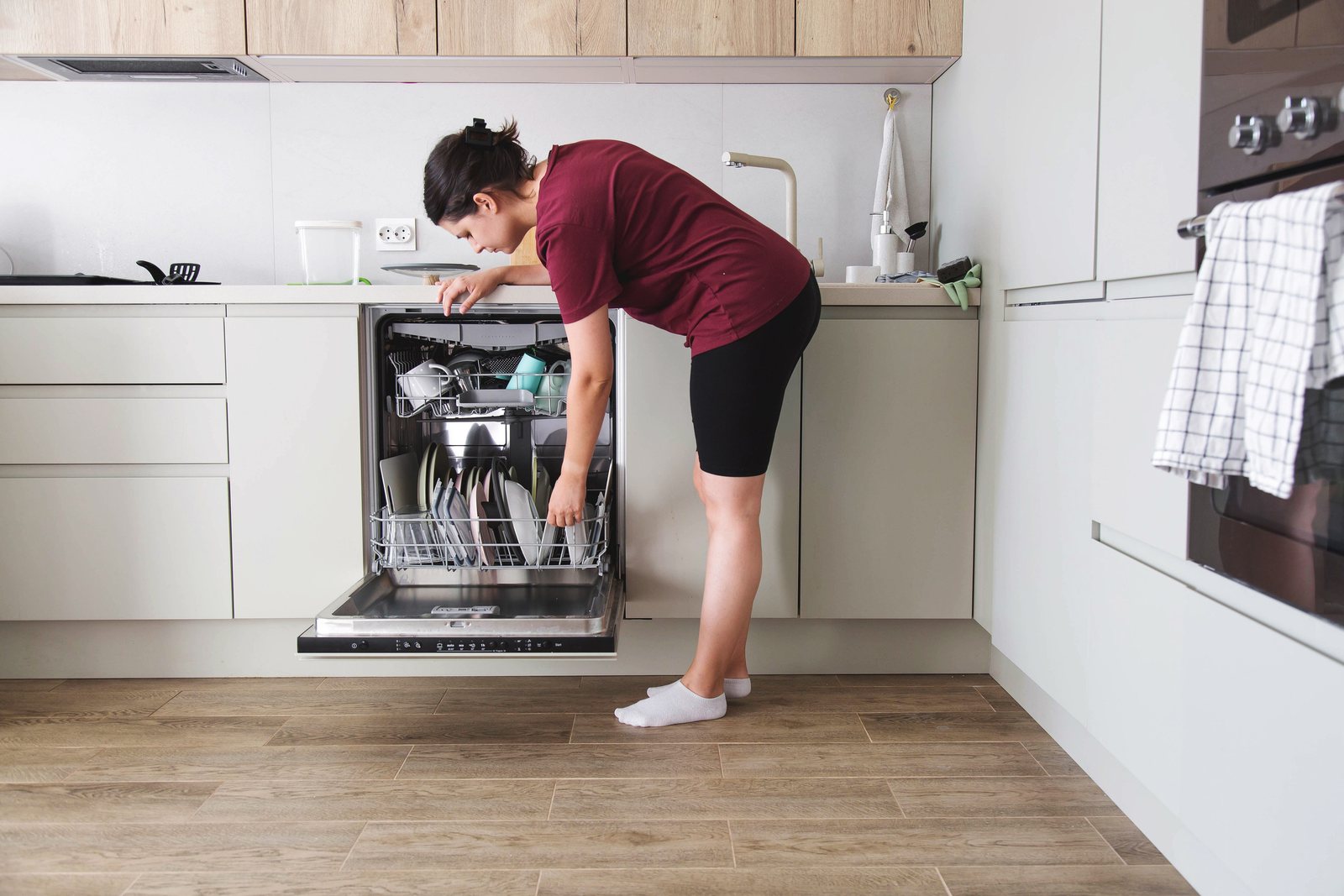
After Thanksgiving dinner, the dishwasher feels like the most valuable appliance in the house. Load it up, press start, and walk away.
But hot water, strong detergent and a long drying cycle are tough on certain kitchen tools. Some come out dull, warped, rusty or stripped of the finish you worked hard to build. Cookware makers like Lodge and All-Clad, along with university extension programs, agree on a short list of things that belong in the sink instead. When in doubt, check the care instructions that came with the item.
1. Seasoned Cast Iron
This is the classic one. Lodge says that even a well-seasoned pan can rust if it is soaked in the sink, put in the dishwasher, left to air dry or stored somewhere damp. All-Clad’s care guide is just as blunt about its cast iron: it should not be cleaned in the dishwasher.
Instead, wash with warm water and a little soap if needed, dry it right away, and rub in a thin coat of oil. If your skillet has seen better days, our guide on what to check before you cook bacon in cast iron is a helpful refresher.
2. Carbon Steel Pans
Carbon steel woks and skillets need the same gentle treatment. Lodge’s answer to whether they can go in the dishwasher is a flat no: carbon steel is hand wash only, because a dishwasher will remove the seasoning and likely cause rust.
A quick rinse, a scrub with a brush, and a few minutes on a warm burner to dry it off will keep the surface slick. People who love these pans tend to treat them like heirlooms, much like the cooks in our piece on people who still cook in cast iron.
3. Good Kitchen Knives
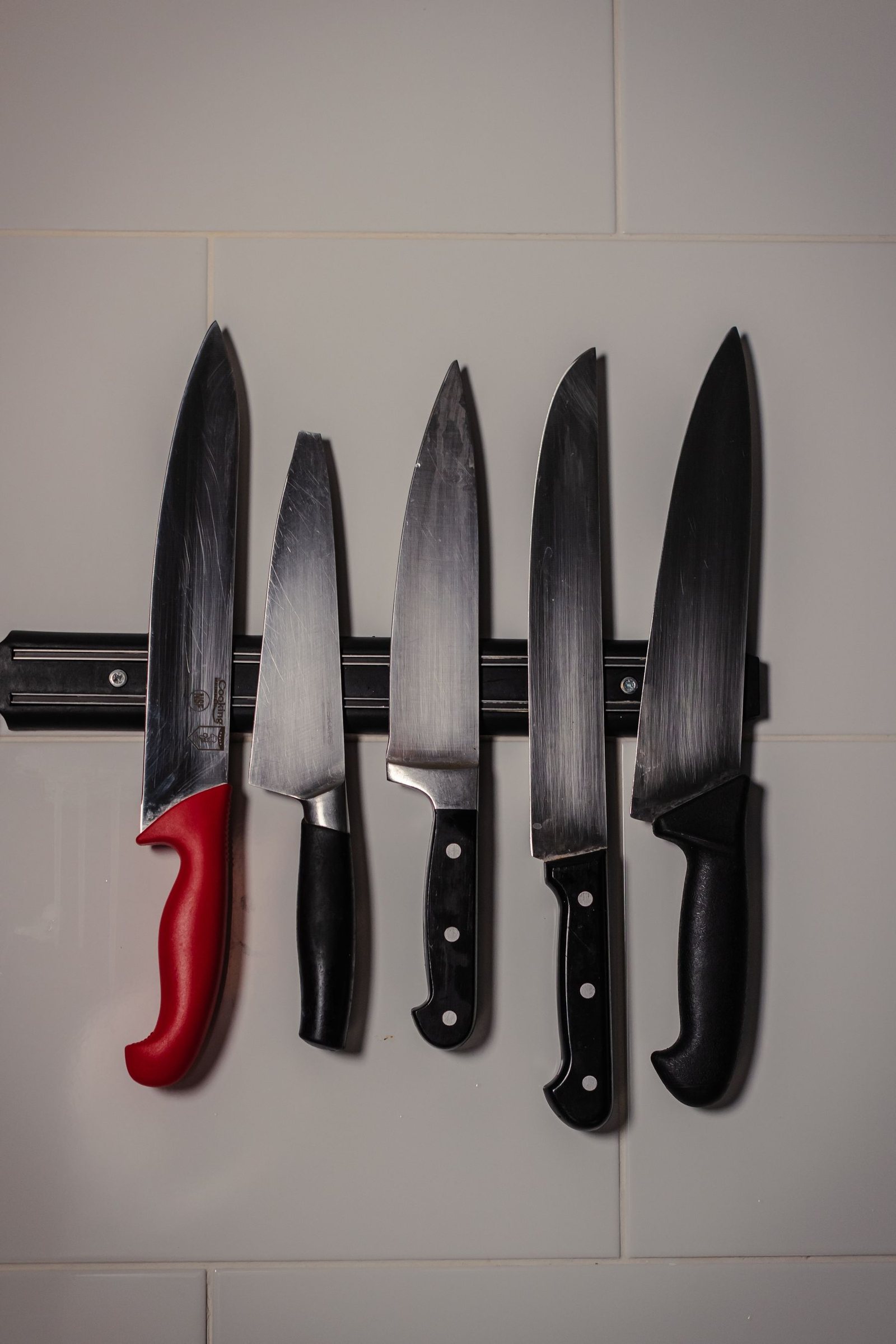
A sharp chef’s knife is one of the worst things to toss in the rack. North Carolina State Extension advises keeping knives away from the dishwasher, calling it one of the most common causes of damage. Purdue Extension adds that many knife companies recommend against it, too.
Blades knock against other dishes, edges dull faster, and wooden handles can dry out. Wash knives by hand right after use, dry them, and put them away. Running sharp knives through with everything else is one of the kitchen mistakes that make cooks cringe for good reason.
4. Wooden Cutting Boards
The University of Maine Cooperative Extension notes that some solid wood boards may be fine in a dishwasher, but some may warp. Boards made from glued-together pieces or with decorative inlays are more likely to crack or come apart.
For most families, the safest bet is a scrub with hot, soapy water, a rinse and an upright air-dry. An occasional rub with food-grade mineral oil keeps the wood from drying out. Store boards somewhere dry and well ventilated, and while you’re reorganizing, check this list of items you should never store in your oven drawer.
5. Wooden Spoons and Wood-Handled Tools
Wooden spoons, rolling pins and spatulas with wooden handles take a beating from heat and water. Purdue Extension’s guide to cook’s tools warns that wooden handles may not hold up well in the dishwasher and suggests removing a detachable handle and washing only the head. While you’re tidying up, this guide on cleaning a dishwasher to cut down on smells and dirt helps the machine do its best work on everything that does belong inside.
A quick hand wash and a thorough towel dry keep wooden tools smooth and crack-free for years.
6. Ceramic Nonstick Pans
Not all nonstick is the same, so read the label. For its hard-anodized ceramic nonstick line, All-Clad says plainly: do not clean using the dishwasher, as high heat and aggressive detergents can degrade the coating.
Even for nonstick pans labeled dishwasher safe, All-Clad recommends hand washing to keep them looking new. A soft sponge and warm, soapy water are all most pans need.
7. Hard-Anodized Aluminum Cookware
That dark gray, matte finish is part of the appeal. All-Clad recommends hand washing hard-anodized pans in warm, soapy water to prolong their life and appearance.
Dishwasher detergent is harsh, and the company also warns against cleaners containing bleach or peroxide, which can damage cookware surfaces.
8. Vacuum-Insulated Food Jars and Travel Mugs
Insulated containers depend on a sealed vacuum layer to keep soup hot and coffee warm. Zojirushi says its food jar and all its components are not dishwasher safe and advises against soaking it, too.
Some brands are more forgiving. Thermos says its bottles and lids are top-rack safe, but calls avoiding the high-heat drying cycle the most important step for protecting the vacuum seal. Check your mug’s instructions before you load it.
9. Kitchen Thermometers
Purdue Extension points out that kitchen thermometers are frequently not dishwasher safe. Water can seep into the dial or electronics and leave you with a fogged face or a dead display right before the roast is done.
Wipe the probe with hot, soapy water instead, and follow the manufacturer’s directions for anything with a battery.
10. Enameled Cast Iron
Your Dutch oven may technically survive the trip, but Lodge says it prefers hand washing to preserve the finish of enameled pieces. It also notes that dishwasher cleaning can leave a rust deposit on enameled cookware.
Let the pot cool, soak off any stuck-on bits with warm water, and wash it by hand. It will look good on the table for years.
The Bottom Line
The dishwasher still deserves a place of honor after a holiday feast. Just keep cast iron, carbon steel, good knives, wood and insulated containers out of the rack, check labels on nonstick and anodized pans, and your favorite kitchen tools will last a lot longer.