10 Ways Social Media Quietly Wrecked Human Behavior
Social media did not kick down the door and announce that it was changing us. It slipped into breakfast tables, bedrooms, classrooms, offices, church pews, family gatherings, and late-night loneliness. At first, it looked harmless, even helpful. We could reconnect with old friends, follow celebrities, share photos, sell products, and laugh at videos after a long day.
Then something shifted. Conversations got shorter. Attention became weaker. People started living their lives instead of living. With billions of social media user identities now active worldwide, the apps are no longer just tools we use. They have become environments we live inside.
It Damaged Our Attention Span
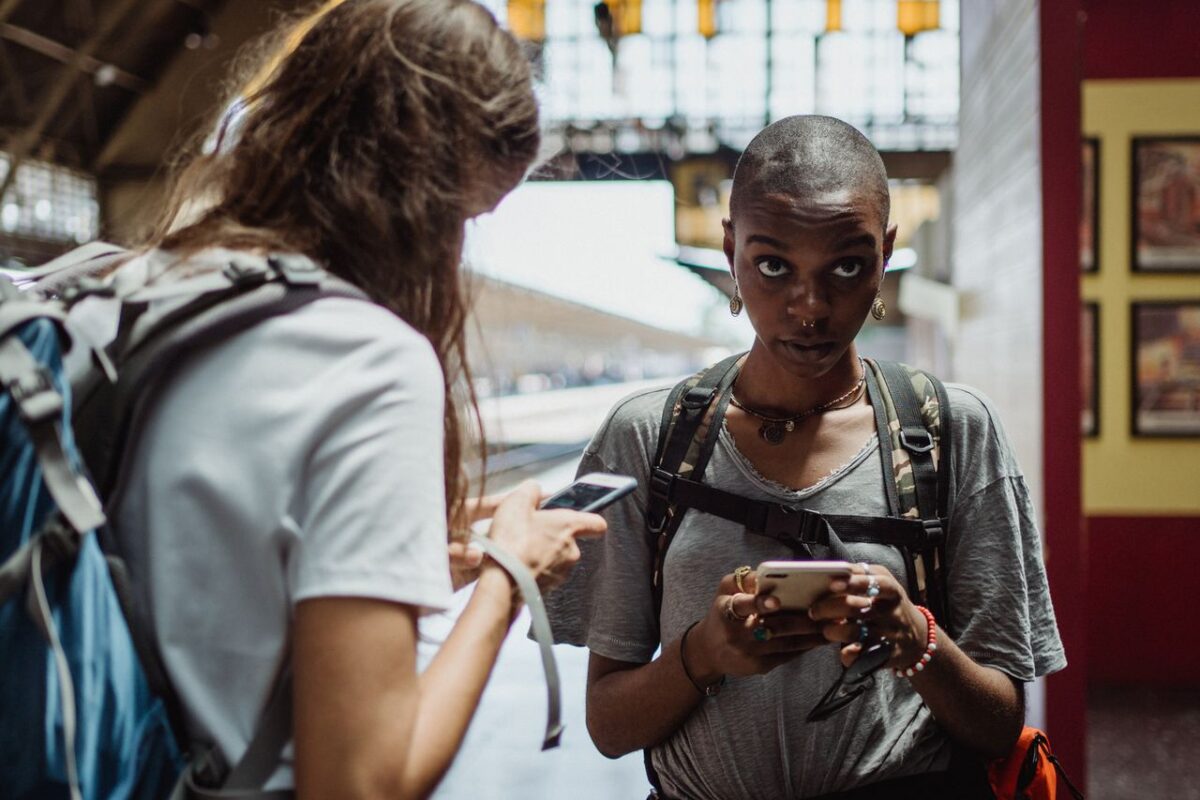
Social media trained the brain to crave constant novelty. One swipe brings a joke, the next brings a tragedy, the next brings a stranger dancing in a kitchen. That rhythm makes ordinary life feel too slow. A real conversation, a long article, a quiet meal, or a difficult book can suddenly feel like hard labor.
The problem is not boredom itself. Boredom used to create imagination, patience, reflection, and problem-solving. Now, many people reach for a screen the moment silence sets in. Social media turned empty moments into emergency exits.
It Made Comparison Feel Normal
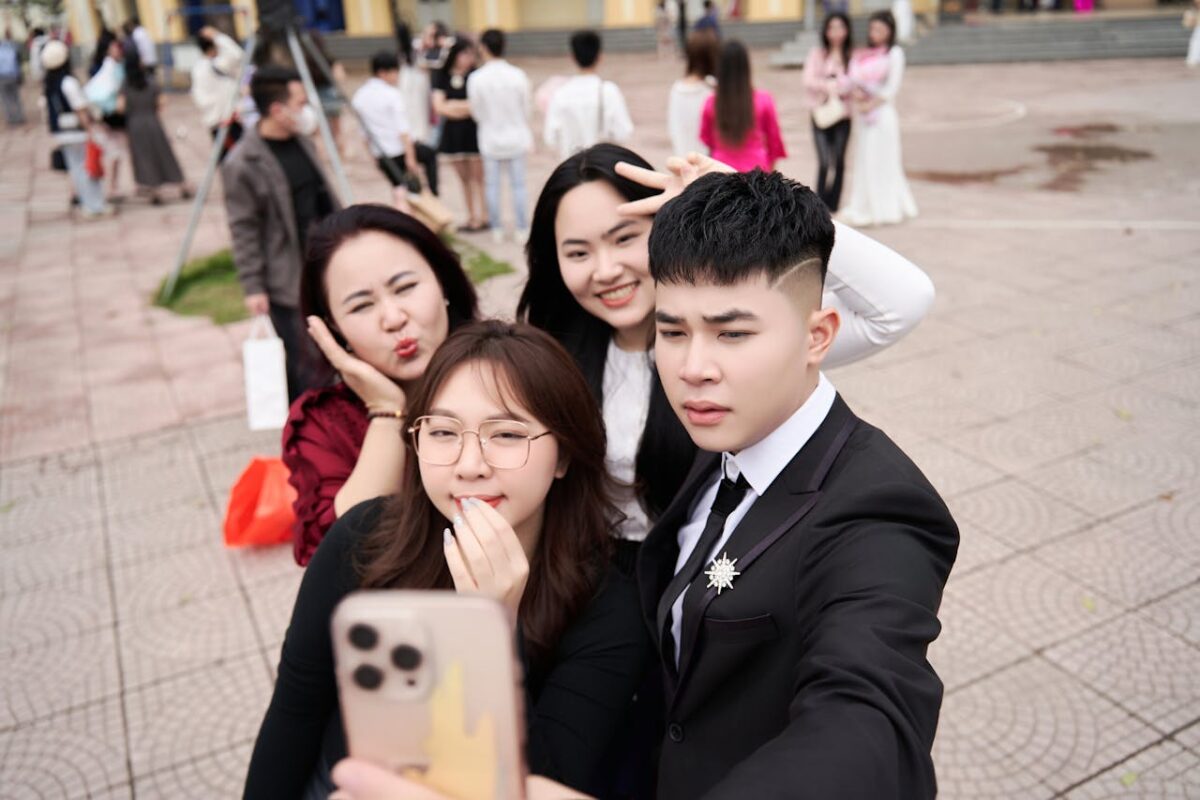
People used to compare themselves to neighbors, classmates, coworkers, or relatives. Social media widened the room until everyone was standing beside millionaires, models, influencers, entrepreneurs, gym bodies, luxury travelers, perfect parents, and edited faces. That kind of comparison is exhausting because the competition never ends.
Even worse, the comparison is usually unfair. People compare their private struggles to someone else’s polished highlight reel. A person sitting in a messy apartment can feel like a failure after watching a stranger’s five-second vacation clip. Social media made envy feel like a daily routine.
It Weakened Face-to-Face Conversation
Human conversation depends on timing, tone, eye contact, awkward pauses, and emotional honesty. Social media replaces much of that with likes, emojis, reaction buttons, and short replies. People can now communicate all day without feeling truly known.
This has changed how many people handle real-life interaction. Some interrupt conversations to check notifications. Others avoid hard talks because texting feels safer. The result is a strange social world where people are constantly connected, yet many still feel unseen.
It Turned Privacy Into Performance
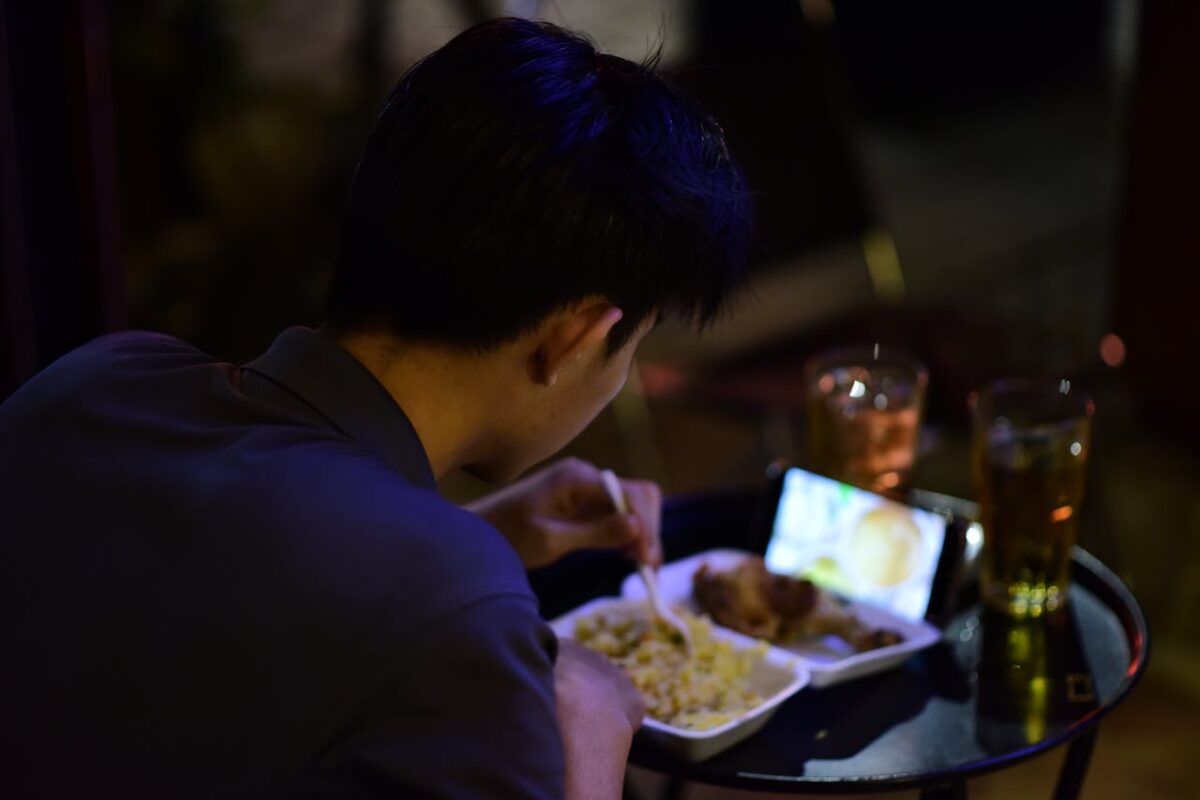
There was a time when a family dinner, a birthday party, a gym session, or a quiet walk could remain private. Social media changed that. Now, many moments feel incomplete until they are recorded, captioned, edited, and posted for public approval.
This performance culture affects behavior in subtle ways. People choose outfits for photos, visit restaurants for content, and attend events partly to prove they were there. Life becomes a stage. The danger is that people may start asking how a moment will look online before asking how it actually feels.
It Made Outrage Addictive
Social media rewards emotional intensity. Calm, thoughtful posts often disappear quietly, but anger travels fast. A scandal, insult, betrayal, political fight, celebrity mistake, or viral argument can pull millions of people into the same emotional storm within hours.
This has trained many users to react before they understand. People skim headlines, assume motives, pile on strangers, and treat disagreement like war. Outrage can feel powerful in the moment, but it slowly makes people less patient, less curious, and less forgiving.
It Changed Friendship Into Public Proof
Friendship used to be measured by loyalty, presence, trust, and shared history. Social media added new public measurements. Who liked the photo? Who commented? Who posted the birthday tribute? Who watched the story but did not reply?
These tiny signals can create unnecessary tension. A person may feel rejected over something their friend barely noticed. Another may post affection publicly while offering little support privately. Social media did not completely destroy real friendship, but it blurred the distinction between being seen online and being loved in real life.
It Made Validation Feel Like Oxygen
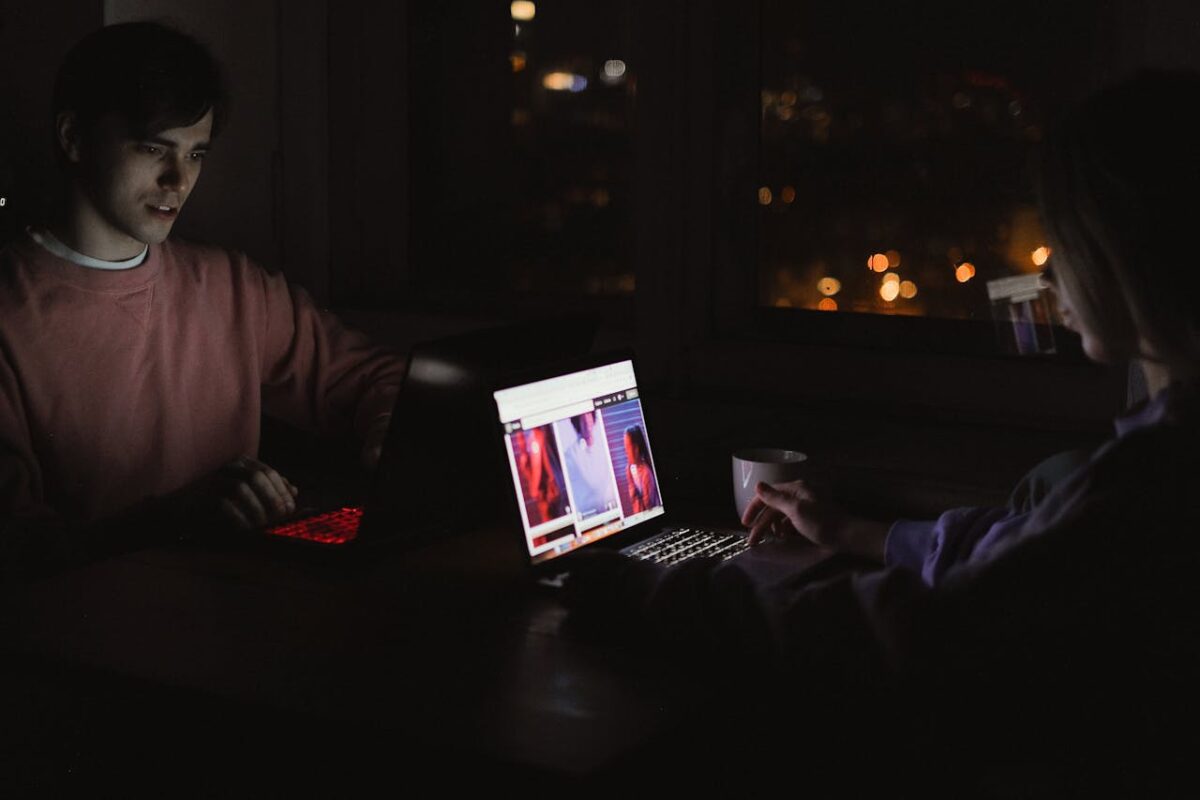
Likes, shares, comments, views, and follows can feel exciting because they offer instant proof that someone noticed us. The trouble begins when people depend on that proof to feel attractive, funny, smart, talented, or worthy. A post that flops can ruin a mood. A post that performs well can feel like a temporary high.
That cycle can make self-worth unstable. Instead of asking, “Do I like this?” people ask, “Will they like this?” Over time, social media can move confidence from the inside to the outside, where strangers get too much power over someone’s peace.
It Shortened Empathy
Online spaces make it easy to forget that every profile belongs to a real person. A stranger becomes an avatar. A mistake becomes a brand. A bad opinion becomes a reason to attack. Distance makes cruelty feel casual.
Empathy struggles when people consume others as content. Someone’s heartbreak becomes gossip. Someone’s embarrassment becomes comedy. Someone’s downfall becomes entertainment. Social media did not invent cruelty, but it gave cruelty a bigger microphone and a faster delivery system.
It Made Rest Feel Unproductive
Social media fills the mind with people building businesses, waking up at 5 a.m., traveling constantly, getting promoted, losing weight, buying homes, launching brands, and announcing wins. Motivation can be healthy, but constant achievement content can turn rest into guilt.
Many people now feel lazy when they are simply tired. They scroll through productivity posts after exhausting days and wonder why they are falling behind. Social media made ordinary rest look like weakness, even though rest is one of the most human needs we have.
It Blurred Reality
Filters, edits, staged videos, fake lifestyles, rented luxury, exaggerated success stories, and carefully crafted posts have made reality harder to recognize. People know the internet is curated, yet the emotional effect still lands. A fake life can still make a real person feel inadequate.
This blur affects trust. People question bodies, relationships, careers, news, wealth, beauty, and even grief online. Social media has created a world where everything can be documented, but not everything can be believed. That confusion wears people down.
Conclusion
Social media did not destroy human behavior in a single dramatic blow. It changed us through repetition, reward, comparison, performance, and constant stimulation. It made people more visible but often less present. It gave everyone a voice, then made many people afraid of silence.
The answer is not to pretend social media has no value. It connects families, builds careers, spreads news, supports small businesses, and gives lonely people places to belong. The problem begins when the tool becomes the teacher. When apps train us to crave attention, compare pain, perform happiness, and react without thinking, human behavior starts to shrink.
The healthiest people online may not be the ones who delete every app. They may be the ones who remember where real life happens. It happens in slow conversations, private joy, patient listening, honest friendship, quiet rest, and moments that never need an audience