8 Supper Dishes From 1965 That Would Confuse Anyone Under 40
Supper in 1965 looked nothing like dinner does today. There were no delivery apps, no air fryers, and very few restaurants where a family could eat cheaply on a weeknight. Mothers cooked from the pantry, the freezer was the size of a shoebox, and the meal landed on the table at the same time every evening.
The dishes themselves were a product of their time. Canned soup was treated as a sauce, gelatin was considered elegant, and almost anything could be served on toast. Food companies printed recipes on the back of every box, and millions of home cooks followed them to the letter.
Put some of those plates in front of a person under 40 today and you would get a long, puzzled stare. These eight supper dishes were perfectly normal in 1965, and each one says something about how American families used to eat.
1. Chicken à la King
Chicken à la king was diced chicken in a thick cream sauce with mushrooms, green peppers, and bright red pimentos. It was ladled over toast points, rice, or puff pastry shells, and it was considered fancy enough for company. Many cooks made it on Monday with the leftovers from Sunday’s roast chicken.
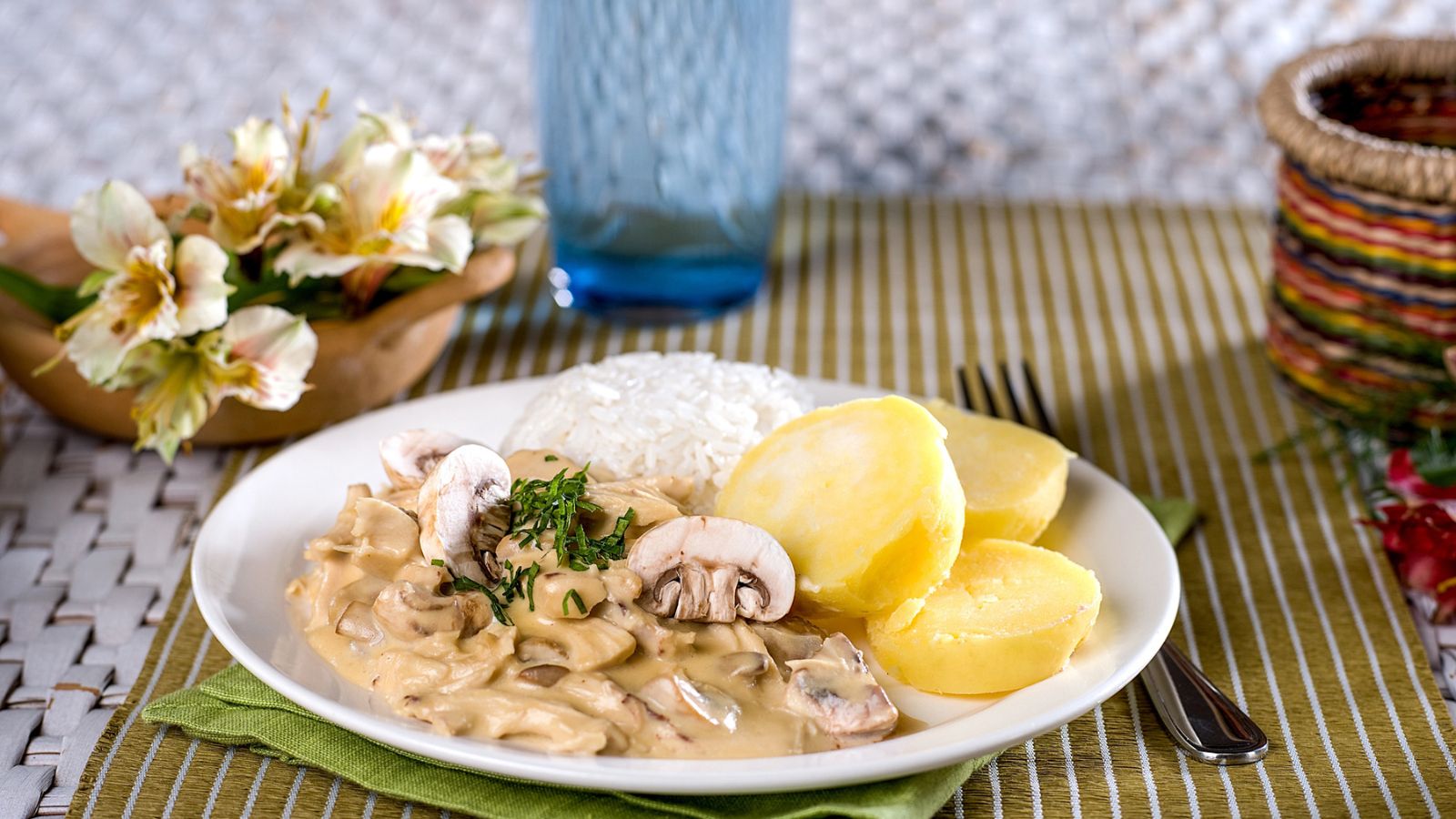
Younger diners tend to be confused by the whole idea of creamed meat on toast. In 1965, though, a cream sauce was the mark of a proper dinner. It stretched a small amount of chicken to feed six people, which mattered a great deal in a one-paycheck household.
2. Tuna Noodle Casserole With Potato Chips
This casserole combined canned tuna, egg noodles, and condensed cream of mushroom soup, all baked under a crust of crushed potato chips. It was cheap, it used only shelf-stable ingredients, and it could be assembled in ten minutes. It was one of the casseroles that defined family dinners for a generation.
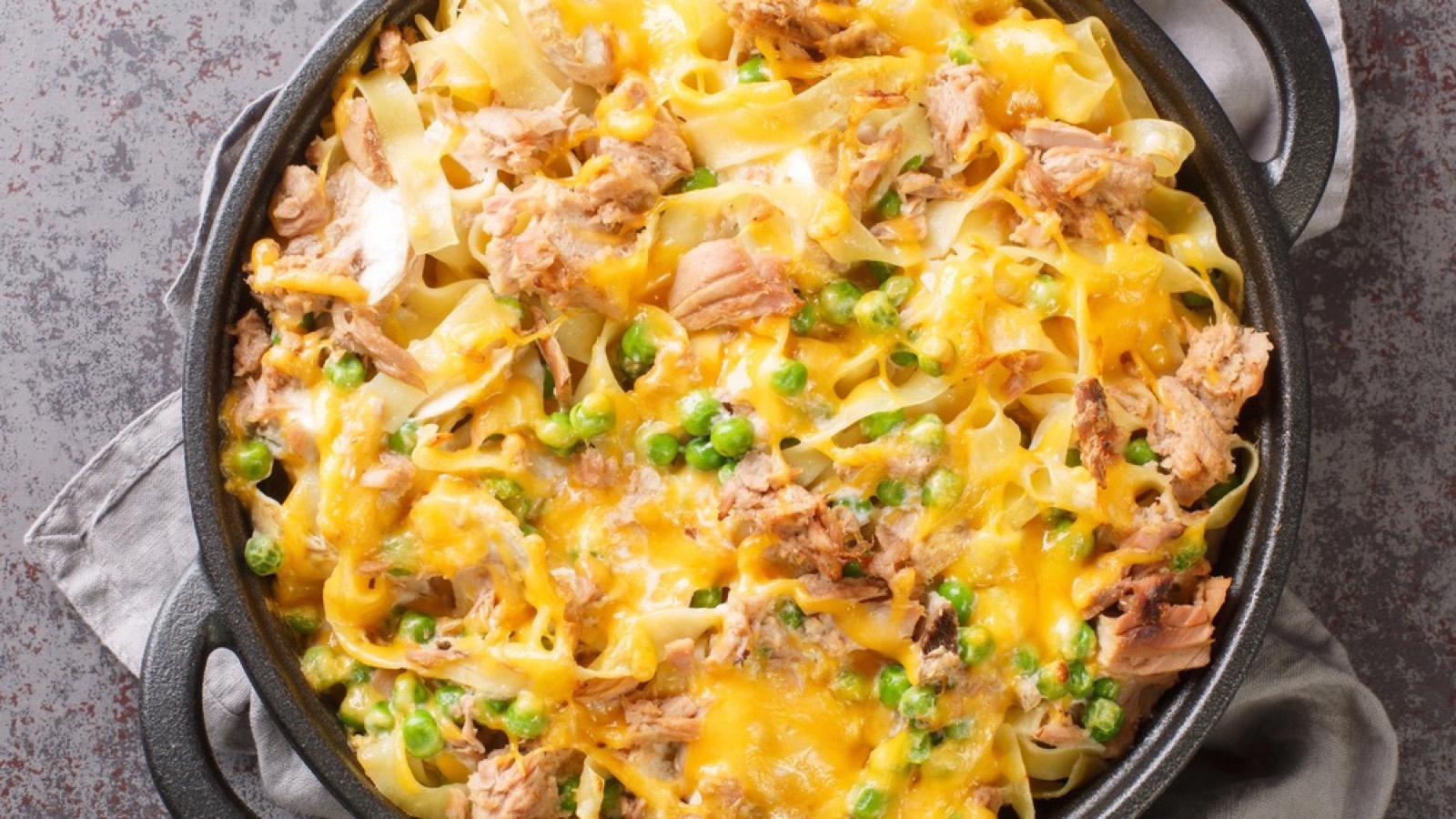
The potato chip topping is the part that confuses people now. To a 1965 cook it made perfect sense, because chips added salt and crunch without any extra work. Many families ate this dish every Friday, especially Catholic households that skipped meat at the end of the week.
3. Salisbury Steak
Salisbury steak was a seasoned ground beef patty shaped like a small steak and smothered in brown gravy with onions. It was served with mashed potatoes and a canned vegetable, and it was a regular feature of both home kitchens and frozen dinners. The dish was named after Dr. James Salisbury, a 19th-century physician who promoted minced beef as a health food.
People under 40 often ask why anyone would call a hamburger patty a steak. The answer is that real steak was a luxury, and this was the affordable stand-in. A pound of ground beef, a few bread crumbs, and a packet of gravy mix could make a whole family feel like they were eating well.
4. Jellied Salad With Vegetables
No 1965 supper was complete without a molded gelatin salad. Lime or lemon gelatin was mixed with shredded carrots, cabbage, celery, olives, or even canned tuna, then chilled in a decorative ring mold. It was served on a lettuce leaf, often with a spoonful of mayonnaise on top.
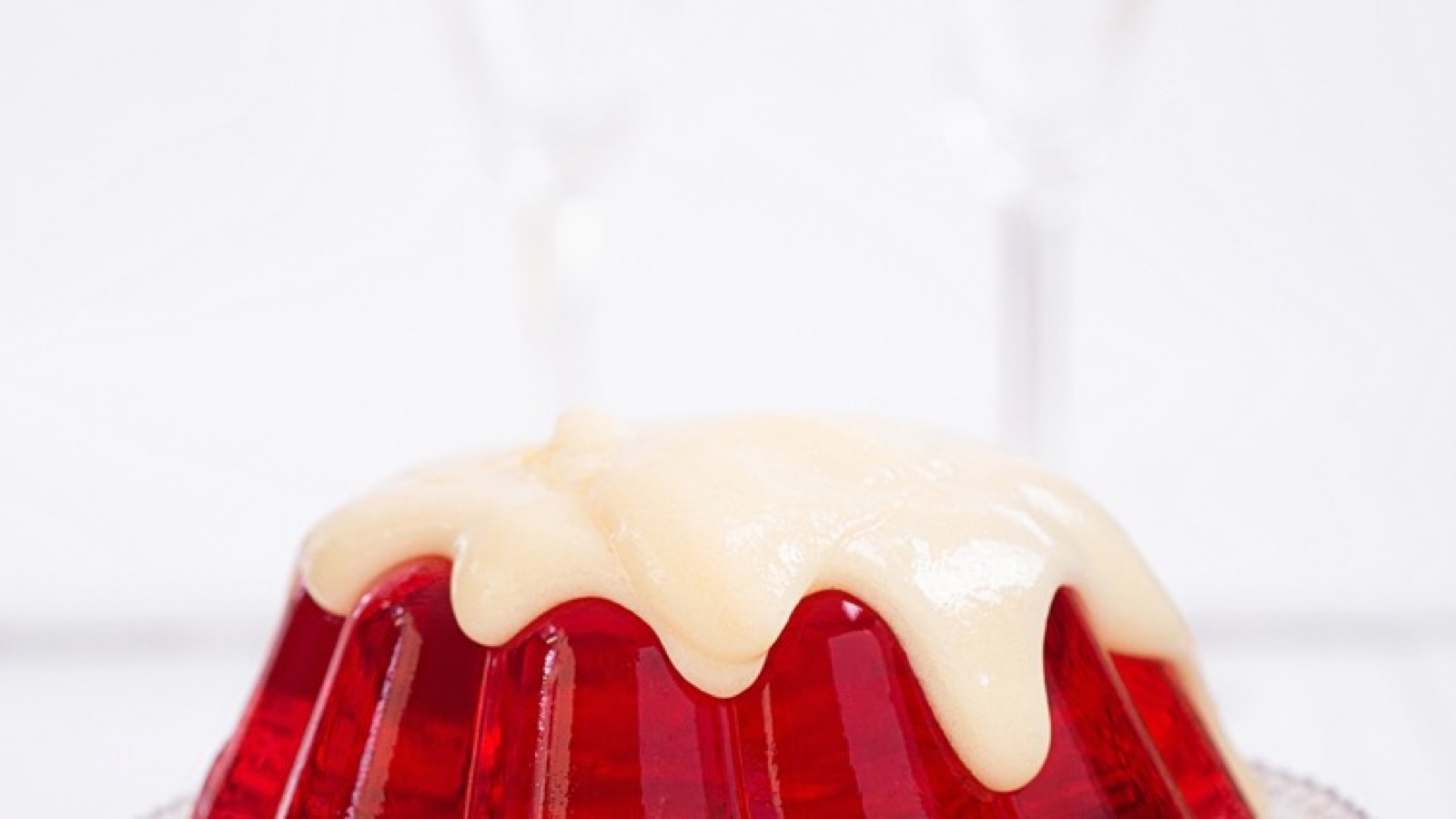
This is the dish that baffles younger generations the most. Sweet gelatin with vegetables and mayonnaise sounds like a dare today, and it ranks high among the bizarre food trends of the decade. At the time, though, a shimmering molded salad showed that a hostess owned a refrigerator and knew how to use it.
5. Creamed Chipped Beef on Toast
Creamed chipped beef was made from thin slices of salty dried beef stirred into a white sauce and poured over toast. It came out of military mess halls, and millions of veterans kept eating it once they were home. Small glass jars of dried beef sat in pantries all over the country.
Many families served it for supper as often as breakfast. It cost very little and could be on the table in fifteen minutes. A person under 40 who has never seen dried beef in a jar would have no idea what was on the plate.
6. Ham Loaf With Pineapple
Ham loaf was the pink cousin of meatloaf. Ground ham and ground pork were mixed with bread crumbs and egg, baked in a loaf pan, and glazed with brown sugar, mustard, and vinegar. Canned pineapple rings and bright red maraschino cherries were often arranged on top.
The dish was especially popular in Pennsylvania and across the Midwest, where butchers sold a ready-made ham loaf mix. Sweet glazed meat with fruit was very fashionable in the 1960s. Today the combination strikes many young cooks as something closer to dessert than dinner.
7. Liver and Onions
Liver and onions appeared on supper tables at least once a month in many homes. Beef liver was sliced thin, dredged in flour, and fried with a pile of onions and sometimes a few strips of bacon. Mothers served it because it was cheap and because doctors praised it as a rich source of iron.
Children of the era learned to dread liver night. Organ meats have almost vanished from American grocery carts since then, and many younger adults have never tasted liver at all. For boomers, the smell of frying onions can still bring the memory right back.
8. Frankfurter Crown Roast
The frankfurter crown roast may be the most confusing dish of all. Hot dogs were stood on end in a circle, tied together with string or held with toothpicks, and the middle was filled with potato salad, sauerkraut, or baked beans. The whole thing was baked and carried to the table like a holiday roast.
Recipes for it appeared in popular cookbooks and magazine ads throughout the decade. It was meant to turn the humblest meat in the icebox into a showpiece for guests. Many people who see a photo of one today assume it must be a joke.
Why Supper Looked So Different in 1965
The meals of 1965 were shaped by the food industry’s postwar boom. Canned soups, boxed mixes, and frozen foods were marketed as modern miracles, and home cooks were encouraged to build entire meals around them. The first frozen TV dinners had arrived only about a decade earlier, and as Smithsonian explains, they quickly changed what Americans expected from a weeknight meal.
Budgets mattered just as much. Most families lived on a single income, and mothers were expected to put a meat, a starch, and a vegetable on the table every night. Cream sauces, casseroles, and loaves made a small amount of meat go a long way, and very little was ever thrown out.
Tastes were also far less adventurous than they are today. Most Americans had never eaten sushi, tacos, or Thai food, and garlic was considered strong. Many of the foods boomers loved were mild, creamy, and filling, which is exactly what a hungry family wanted after a long day.
Would You Still Eat Them?
Some of these dishes have held on better than others. Salisbury steak and tuna casserole still show up in freezer aisles and church cookbooks, while the frankfurter crown roast survives mostly as a curiosity. A few adventurous cooks have even started reviving old molded salads for retro dinner parties.
For those who grew up in the 1960s, these suppers are tied to the sound of a parent calling everyone to the table. Ask anyone over 60 which one they miss, and which one they hid in a napkin, and you will get an answer right away. That may be the best proof that supper in 1965 was about much more than the food.