8 Foods Americans Argue About More Than Politics
There are some subjects polite people avoid at the dinner table. Politics is one, and religion is another. But the fiercest arguments in many American homes are not about either of those things.
They are about food. Bring up pineapple on pizza or beans in chili at a family gathering, and watch what happens. Cousins raise their voices, grandparents shake their heads, and somebody always says, “That is not how you make it.”
Food opinions run deep because they are tied to where we grew up and who cooked for us. These eight foods spark more heated debate than any election, and no side has ever admitted defeat.
1. Pineapple on Pizza
No food divides Americans quite like Hawaiian pizza. Fans love the mix of sweet pineapple and salty ham. Critics insist that fruit has no business anywhere near melted cheese and tomato sauce.
The funny part is that the pizza is not Hawaiian at all. It was created in Canada in the 1960s by a restaurant owner who decided to try canned pineapple as a topping. Decades later, families still cannot agree, and many simply order half and half to keep the peace.
2. Beans in Chili
In Texas, putting beans in chili is close to a crime. Traditional Texas chili, often called a “bowl of red,” is made with beef, dried chiles, and spices, and nothing else. Purists say beans turn chili into a different dish entirely.
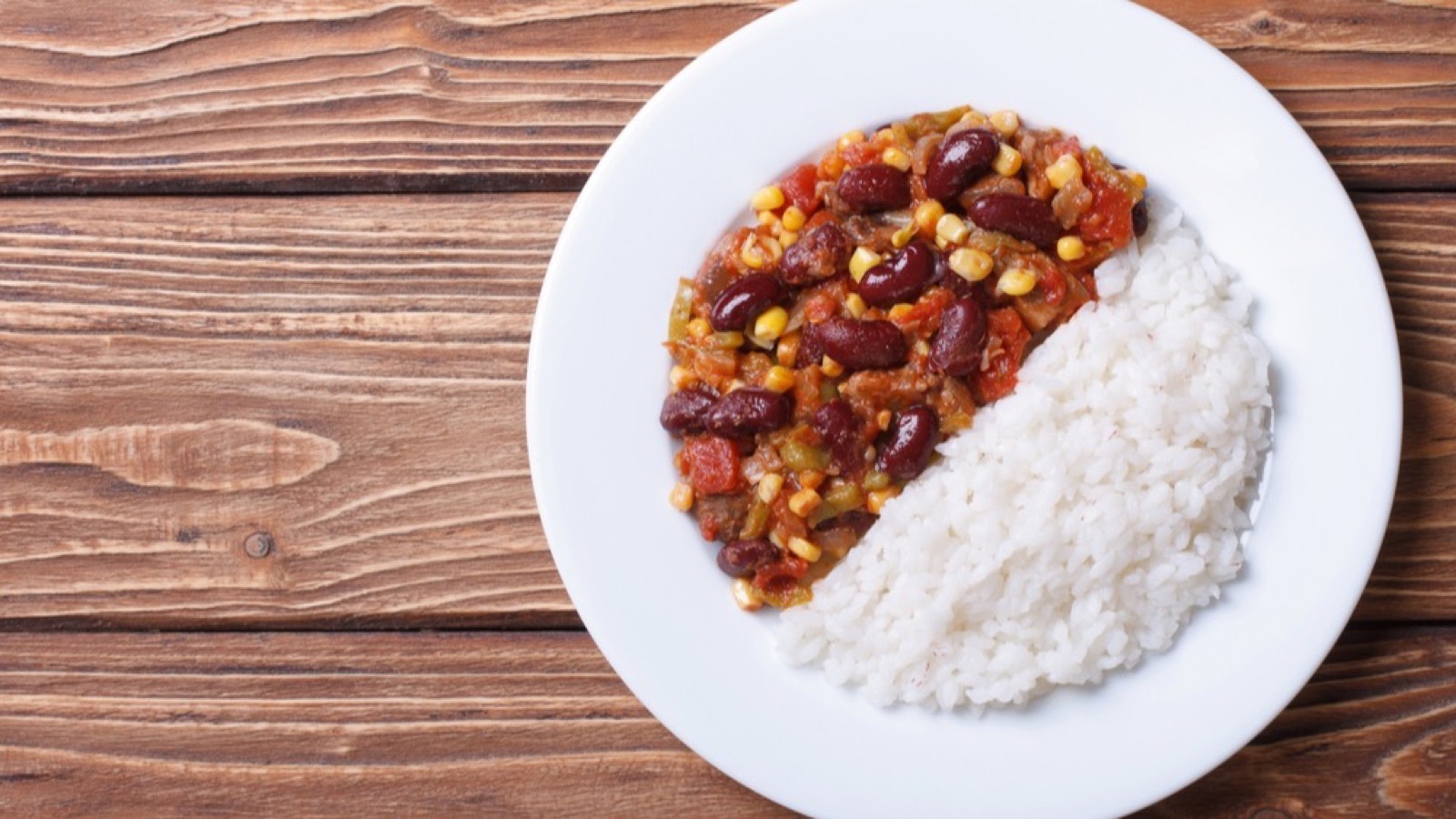
The rest of the country mostly disagrees. Midwestern and Northern cooks add kidney beans, tomatoes, and sometimes even macaroni. Each side believes the other has never tasted real chili, and church cook-offs have been known to split over it.
3. Sugar in Cornbread
Cornbread is a matter of regional pride. Many Southerners insist that true cornbread is savory, made with cornmeal, buttermilk, and bacon drippings in a hot cast-iron skillet. To them, sweet cornbread is simply cake.
Northerners often prefer a sweeter, softer version, and boxed mixes have made that style familiar everywhere. The disagreement has lasted for generations. It is one reason so many classic Southern dishes come with strong opinions attached.
4. Ketchup on a Hot Dog
Ask for ketchup on a hot dog in Chicago and you may get a lecture. The classic Chicago dog comes with mustard, onions, relish, a pickle spear, tomato, peppers, and celery salt. Ketchup is firmly left off.
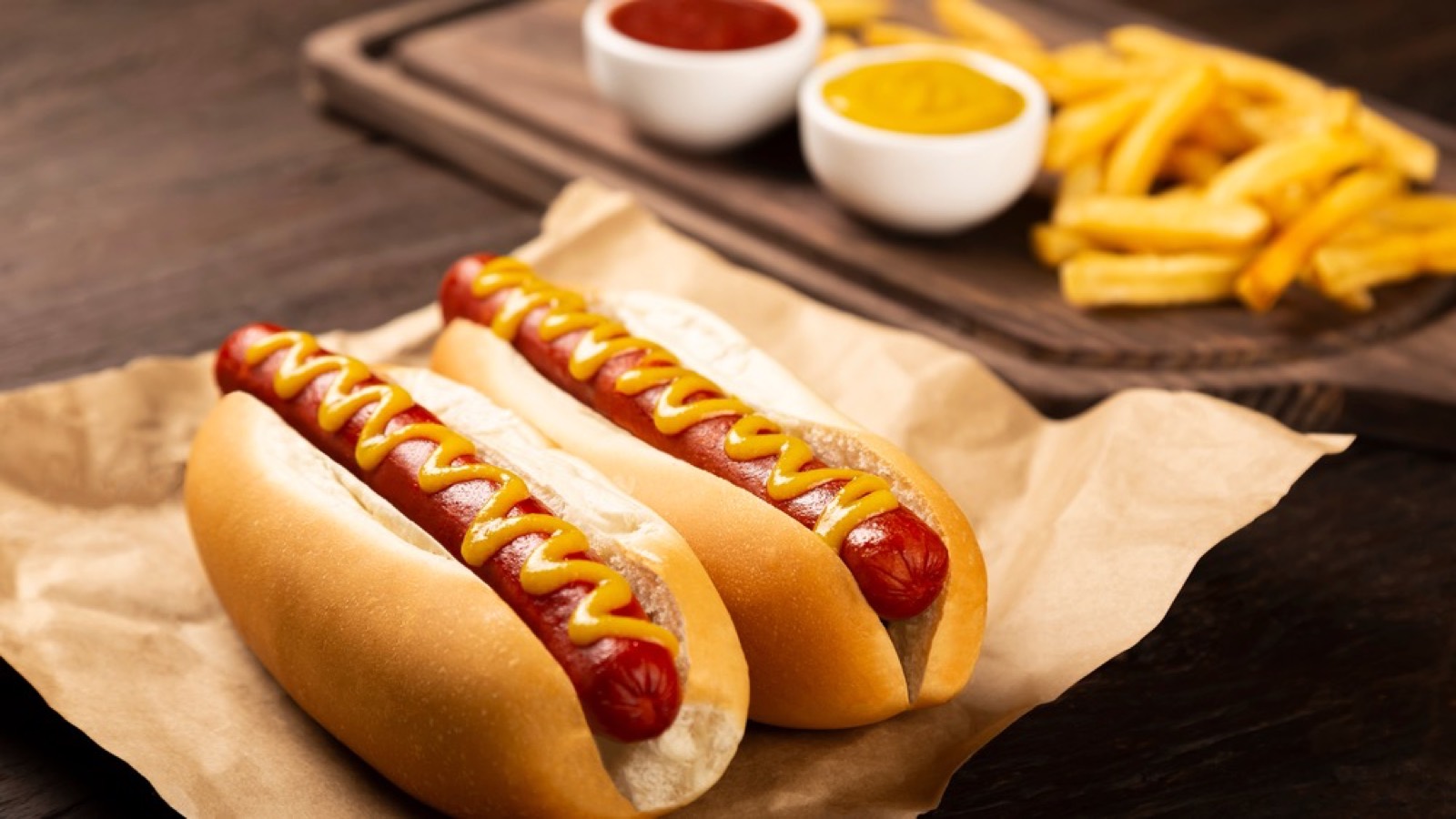
The National Hot Dog and Sausage Council has joined the debate with its own tongue-in-cheek hot dog etiquette guide. It says ketchup on a hot dog is not acceptable after the age of 18. Millions of ketchup lovers ignore that rule every summer.
5. Mayonnaise Versus Miracle Whip
This argument has broken up more than one potato salad. Mayonnaise fans say it is the only real choice for sandwiches and salads, with its rich and creamy taste. Miracle Whip fans prefer its sweeter, tangier flavor.
The split often follows family lines. People tend to stay loyal to whichever jar sat in their mother’s refrigerator. Serving the wrong one at a family picnic is noticed immediately, and somebody will always say something.
6. How to Cook a Steak
Few things cause more tension at a cookout than a well-done steak. Many steak lovers believe that cooking beef past medium ruins it. Others cannot stand the sight of pink in the middle.
Both sides can be stubborn. A host who refuses to cook a steak well done may offend a guest, and a guest who asks for it may get teased. Some restaurants have even printed warnings on their menus about ordering good cuts well done.
7. Stuffing or Dressing
At Thanksgiving, the argument starts with the name. Much of the South calls it dressing and bakes it in a pan. Other regions call it stuffing and cook it inside the bird.
Then there is the recipe. Cornbread or white bread, oysters or sausage, sage or no sage, each family believes theirs is the only correct version. Food safety officials add one more point to the debate, since the USDA notes that cooking stuffing outside the bird is the safest way to get even cooking.
8. Barbecue
Barbecue may be the biggest food fight of all. Texas swears by beef brisket with a simple rub. The Carolinas favor pork, with vinegar sauce in the east and mustard sauce in parts of South Carolina.
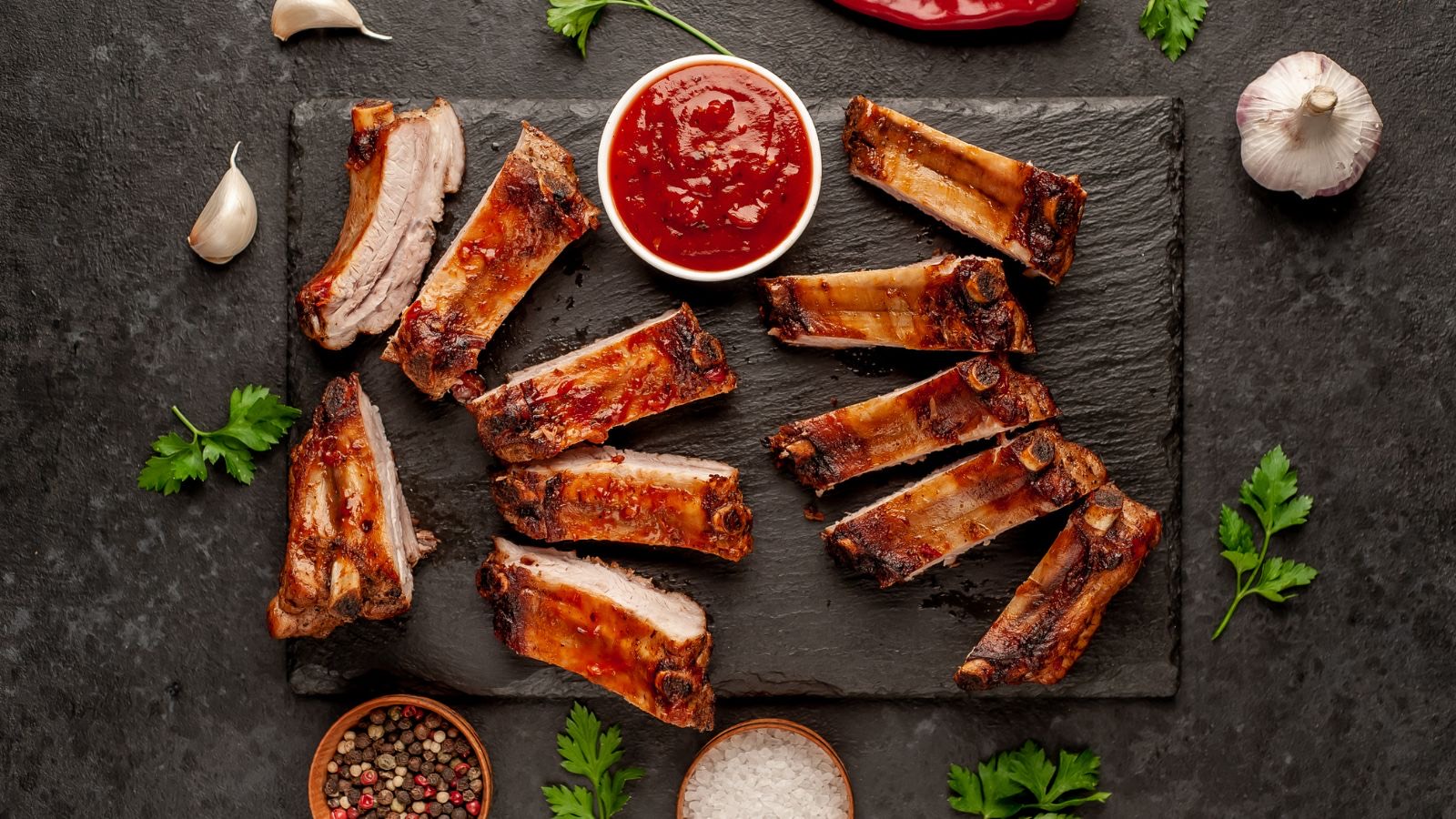
Kansas City loves a thick, sweet tomato sauce, and Memphis is famous for dry-rubbed ribs. Each region considers its style the only true barbecue. Suggesting otherwise in the wrong town is a quick way to start an argument.
Why Food Fights Get So Heated
Food arguments are rarely about the food alone. They are about loyalty to a hometown, a family, and a way of doing things. When someone says your mother’s chili is wrong, it can feel like an insult to her.
Taste is also formed early. The foods we ate as children become our measure of what is “right,” and anything different seems strange. That is why two people can taste the same dish and reach opposite conclusions.
Regional pride adds fuel. America is a big country with very different food traditions, and many of the American foods named after the places they come from are defended fiercely by the people who live there. A recipe can stand for an entire way of life.
The Good Side of a Food Argument
Unlike political debates, food fights are usually good-natured. Nobody loses a friend over pineapple on pizza. Most of the time, the argument ends with laughter and second helpings.
These debates also keep traditions alive. When families argue over the right way to make dressing, they are really passing down stories about the people who made it before them. Younger relatives learn where their family came from, one dish at a time.
Still, a few opinions can cause real trouble. Outsiders are sometimes baffled by what Americans eat, and some quintessentially American foods leave visitors shaking their heads. That only gives us one more thing to argue about.
Where Do You Stand?
Every family has its own list of rules. Maybe yours forbids ketchup on eggs, or insists that sweet tea is the only tea. Whatever the rule, somebody in the family breaks it every year.
So here is the real question. Do beans belong in chili, and does pineapple belong on pizza? Be careful how you answer, because someone at your table almost certainly disagrees.