8 Boomer Kitchen Phrases Younger Cooks Have Never Heard
Some kitchen instructions sound perfectly normal to older generations but might leave younger cooks scratching their heads. Imagine opening Grandma’s handwritten recipe book and finding directions like “scald the milk,” “cut in the shortening,” or “dot with butter.” None of those instructions are particularly complicated, but understanding them requires knowing a little old-fashioned cooking vocabulary.
For many Baby Boomers, these expressions were familiar parts of cooking lessons, family recipes, and kitchen conversations. Today, the same terms still appear in cookbooks and professional kitchens, though not every home cook recognizes them right away. Here are eight traditional kitchen phrases that might bring back memories for older cooks while introducing younger generations to a different side of cooking.
“Scald the Milk”
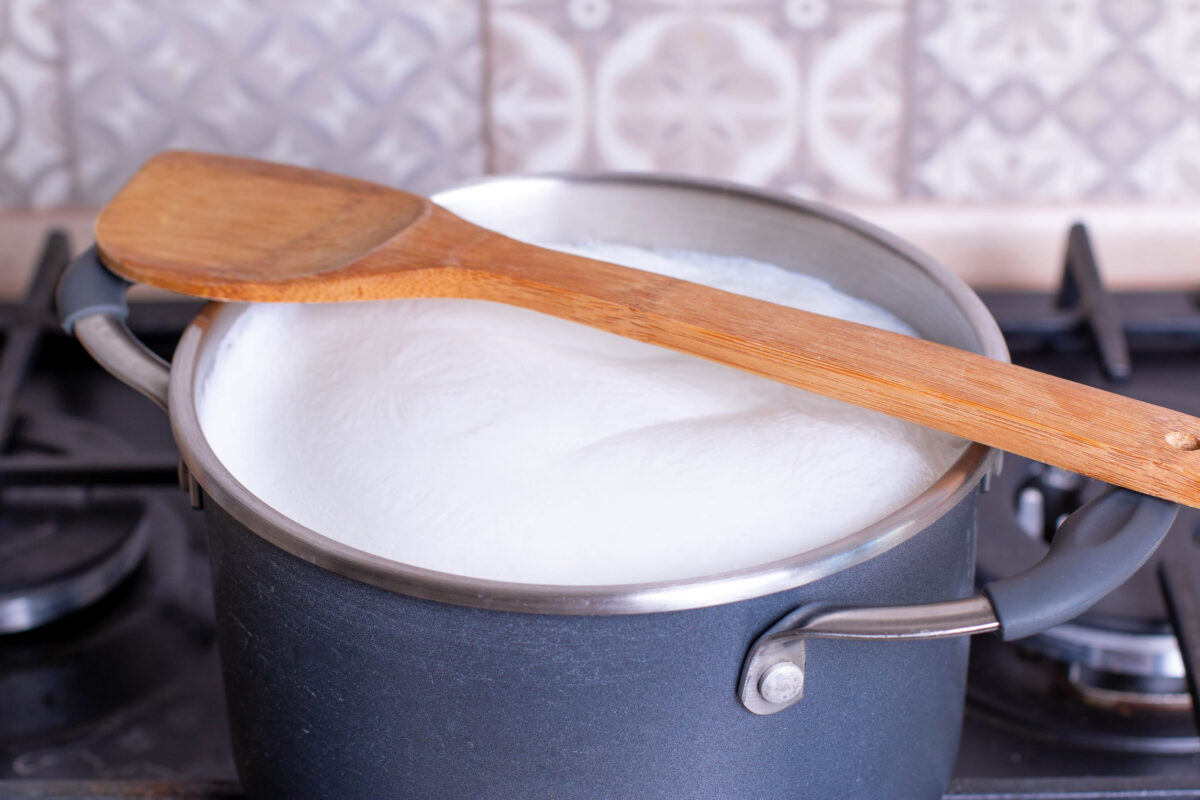
If Grandma told you to scald the milk, she wasn’t asking you to burn it. The instruction means heating milk until it is very hot, just below boiling, when small bubbles begin forming around the edges. It’s an established cooking technique that appears in traditional baking instructions.
Scalding milk was a familiar step in recipes for homemade bread, custards, and other baked dishes. According to Purdue University Extension’s cooking guide, milk is scalded when heated until bubbles appear without breaking across the surface. Although modern cooks may follow a specified temperature, the old expression remains part of traditional recipe language.
“Cut in the Shortening”
This phrase may confuse someone who has never baked biscuits or homemade pastry. It doesn’t mean slicing shortening into neat pieces and leaving them in a bowl. Instead, it describes working solid fat into flour or another dry mixture until the fat is distributed in small particles.
Older recipes often used the word “shortening” to describe baking fats. Cooks can cut in the fat using two knives, a fork, or a pastry blender. The technique still matters when making crumbly pastries, biscuits, and pie crusts, even when the recipe calls for butter instead.
Related: 8-old-school-pantry-ingredients-that-are-quietly-making-a-comeback/
“Cream the Butter and Sugar”
Someone unfamiliar with baking might assume this instruction requires adding cream to a mixture. However, creaming means beating butter and sugar together until the mixture becomes lighter and fluffier. The phrase describes a mixing technique, not an additional ingredient.
This instruction appears in countless traditional cake and cookie recipes. The University of Minnesota’s cooking terminology glossary explains that creaming involves working fat until it becomes soft and smooth, sometimes while combining it with sugar. Electric mixers make the process convenient, but the instruction also applies when mixing by hand.
“Dredge It in Flour”
When an older recipe tells someone to dredge chicken or another ingredient, the instruction has nothing to do with digging. Dredging means coating food lightly with a dry ingredient, typically flour, although cornmeal and breadcrumbs can also be used. It’s a straightforward preparation method with a rather unusual-sounding name.
For example, a recipe might tell the cook to dredge chicken pieces in seasoned flour before frying. This creates a coating before the food enters the pan. Younger cooks may be more familiar with instructions that say “coat with flour,” but both descriptions convey essentially the same action.
“Dot With Butter”
Imagine preparing an old-fashioned fruit pie and discovering an instruction to “dot with butter.” A beginner might wonder whether that means spreading butter across the entire filling. It actually means placing small pieces of butter at intervals over the food.
The phrase appears in traditional baking recipes, particularly those involving pastry and fruit fillings. Pillsbury Baking’s baking glossary defines dotting as distributing small amounts of butter or margarine over a prepared surface. It’s an easy instruction once you know what the word means, but it can seem surprisingly vague without an explanation.
“Parboil the Potatoes”
Parboiling is another kitchen term that sounds more complicated than it is. It means partially cooking food in boiling water before finishing it using another cooking method. Potatoes and various vegetables can be prepared this way.
For instance, potatoes might be parboiled before roasting, so part of the cooking happens in water. The important distinction is that parboiling doesn’t mean completely boiling food until it is ready to serve. It is an intermediate step, and traditional recipes sometimes expect the cook to understand that difference without further explanation.
“Fold in the Egg Whites”
This instruction can be confusing because folding has nothing to do with bending the egg whites. In baking, folding means gently combining a lighter mixture with a heavier one using a lifting-and-turning motion. The goal is to incorporate the ingredients without knocking out too much of the air already present.
Traditional cake and dessert recipes often call for beaten egg whites to be folded into batter. Stirring aggressively would defeat the purpose of carefully beating the whites beforehand. The expression remains important in baking today, but anyone encountering it for the first time might appreciate a demonstration rather than a one-line instruction.
“Sift the Dry Ingredients”
Before beginning a cake, an older family member might tell everyone to sift the flour. Sifting means passing dry ingredients through a sieve or flour sifter to break up lumps and lighten the mixture. It may also be used when combining several dry ingredients.
Traditional recipe books regularly included instructions to sift flour, sometimes along with baking powder or other ingredients. Some modern recipes skip this step, while others continue to require it for particular preparations. The phrase reminds us that even familiar baking ingredients can come with techniques that aren’t immediately obvious to beginners.
Why These Old Kitchen Expressions Still Matter
These eight phrases aren’t exclusive to Baby Boomers, and many younger cooks still use them today. However, their appearance in older family recipes offers an interesting glimpse into the cooking knowledge that previous generations often passed along through practice. A simple instruction could carry an entire technique that an experienced home cook understood without needing a detailed explanation.
The next time you discover an old handwritten recipe, don’t dismiss an unfamiliar expression as outdated. Learning what it means could help you recreate a treasured family dish more accurately. Sometimes, understanding Grandma’s kitchen vocabulary matters as much as knowing which ingredients to use.
Other articles you may like:
– relationship-tips-that-are-vanishing-with-baby-boomers/
– 8-things-grandma-always-found-a-second-use-for-in-the-kitchen/