10 Worst U.S. Presidents and How They Shaped History the Wrong Way
The presidency can make or break a nation, and some leaders have left legacies that still haunt the country. From failed leadership during crises to scandals that shook public trust, these presidents earned their spot at the bottom. Each one left behind consequences that defined their era, and often worsened the next.
Here are the ten worst U.S. presidents, explained in ways that show exactly how they went wrong.
James Buchanan Allowed the Union to Collapse
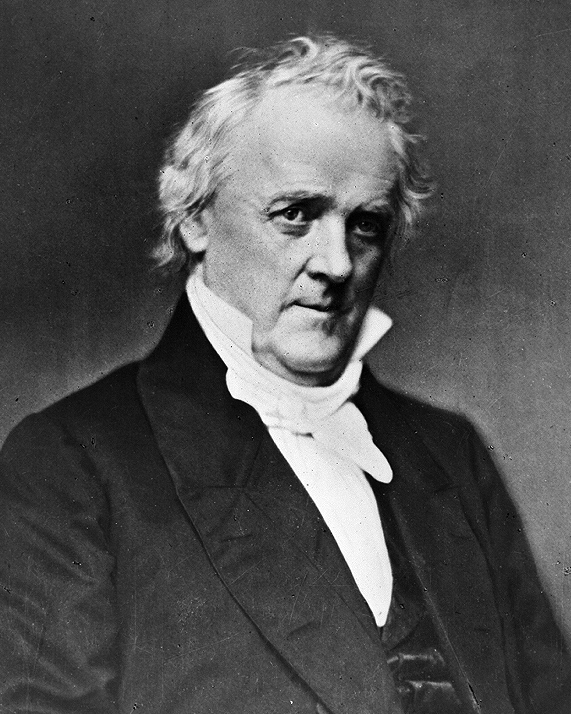
James Buchanan inherited a country on the brink of civil war and chose caution over action. His failure to confront secessionist states or address the moral and political crisis of slavery left the Union vulnerable.
By the time Abraham Lincoln took office, the nation was already splitting apart. Buchanan’s inaction during a time that demanded decisive leadership magnified the national disaster and cemented his reputation as one of the worst presidents in history.
Andrew Johnson Sabotaged Reconstruction
Andrew Johnson opposed the reforms that could have secured freedom and safety for formerly enslaved people. He vetoed civil rights legislation, pardoned Confederate leaders, and allowed Southern states to enforce Black Codes.
His stubborn policies deepened racial injustice for decades, leaving the nation to contend with the long-term consequences of undermined civil rights. Johnson’s presidency demonstrates how personal bias and a refusal to embrace moral responsibility can cripple a country’s path to progress.
Franklin Pierce Fueled Sectional Conflict
Franklin Pierce signed the Kansas-Nebraska Act, reopening the slavery debate and inflaming violence in western territories. His attempts at compromise only worsened national divisions, turning Kansas into a battleground and pushing the nation closer to civil war.
Pierce’s presidency is a clear example of how prioritizing political appeasement over principled leadership can accelerate the collapse of national stability.
Warren G. Harding Normalized Corruption

Harding promised a return to normalcy but left the country mired in scandal. The Teapot Dome affair revealed that his administration prioritized friends over the law, leaving a lasting stain on public trust.
Harding’s failure to oversee his advisors and curb corruption demonstrated how a lack of accountability at the highest level can undermine the integrity of government and erode public confidence.
Millard Fillmore Sacrificed Morality for Compromise
Millard Fillmore signed the Fugitive Slave Act, enforcing laws that punished those who helped runaway slaves. His compromise delayed conflict but did so at an enormous moral cost, undermining civil rights and inflaming sectional tensions.
Fillmore’s presidency shows how a focus on short-term political calm can result in long-term injustice and increased national strife.
John Tyler Governed Without Support
John Tyler was politically isolated, vetoing party legislation and losing support from both parties. His inability to build coalitions left the country vulnerable and slowed critical decisions, including the annexation of Texas.
Tyler’s presidency serves as a cautionary tale of how a lack of political alliances can paralyze leadership and magnify national instability.
Richard Nixon Let Power Become a Shield

Richard Nixon’s presidency is defined by Watergate. He abused executive power to protect himself, eroding public trust and forcing his resignation.
While he achieved important foreign policy and domestic initiatives, his scandal overshadowed his accomplishments and demonstrated how misuse of power at the highest level can permanently damage the nation’s confidence in government institutions.
Herbert Hoover Failed During the Great Depression
Herbert Hoover faced the Great Depression and responded too slowly with limited government intervention. His emphasis on voluntarism and fiscal restraint left millions struggling, turning him into a symbol of economic despair.
Hoover’s failure highlights the importance of timely and decisive action in the face of a national crisis and the consequences of underestimating the urgency of public suffering.
Martin Van Buren Could Not Stop Economic Collapse
Martin Van Buren inherited economic instability but struggled to stabilize the country during the Panic of 1837. His focus on government solvency over immediate relief made him appear detached while the public endured widespread suffering.
Van Buren’s presidency demonstrates how even a skilled and experienced leader can be judged harshly if the response to economic hardship fails to meet the needs of ordinary citizens.
Donald Trump Tested Democratic Norms
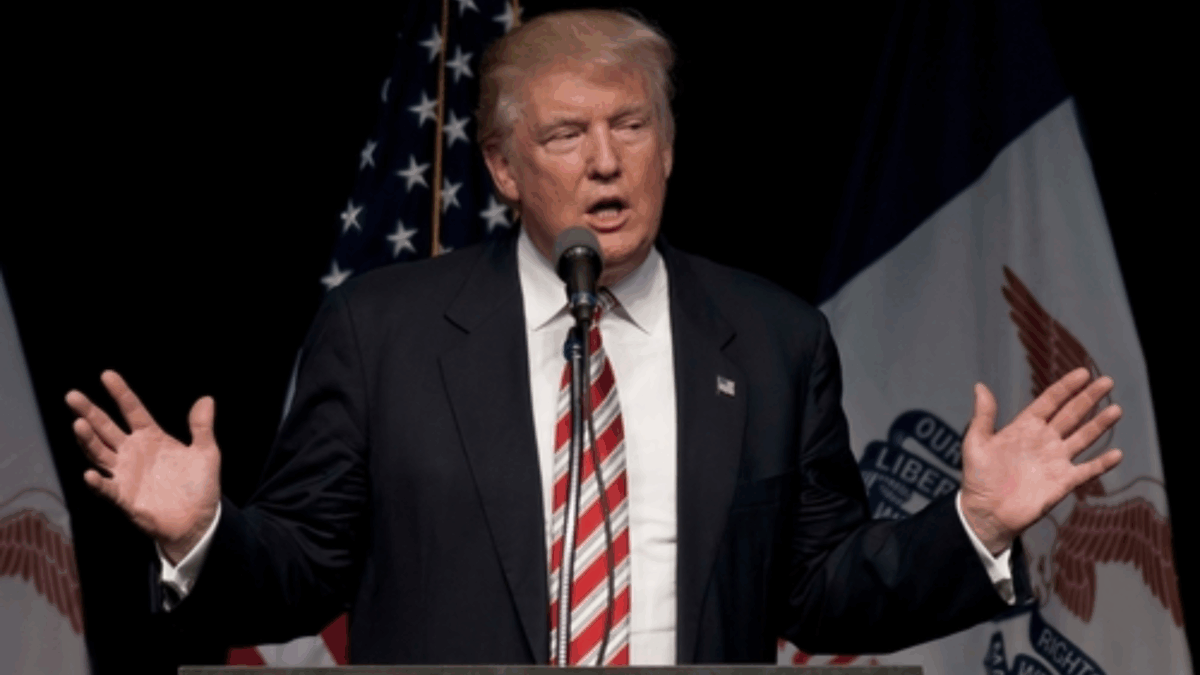
Donald Trump’s first term and post-election actions challenged core democratic principles. Impeachment proceedings, attacks on electoral processes, and public disputes with institutions damaged trust in government and tested the limits of executive power.
Scholars argue that Trump’s actions illustrate how a president can strain the foundations of democracy, leaving a long-term impact on the perception and function of the office.
Conclusion
These ten presidents left legacies that remind us how leadership mistakes can ripple through history. From civil war failures to economic disasters and scandals, these examples show the consequences when power is mishandled.