4 Quiet Comforts Baby Boomers Want but Rarely Talk About
As people get older, their idea of a comfortable life can change. Things that once seemed exciting or important may gradually become less appealing, while simple everyday experiences start to mean much more.
For many baby boomers, comfort is not necessarily about expensive holidays, impressive homes, or constantly buying new things. Sometimes, it is about having a peaceful morning, enjoying familiar surroundings, spending time with loved ones, and knowing life doesn’t always have to feel rushed.
Born between 1946 and 1964, baby boomers grew up through decades of major cultural, economic, and technological change. Their experiences are diverse, but many people in this generation may find particular satisfaction in familiar routines and the small pleasures of everyday life.
Some of these comforts are rarely discussed because they seem too ordinary to mention. Yet they can make a meaningful difference in how someone experiences daily life.
Here are four quiet comforts that many baby boomers may appreciate more than they openly admit.
A Peaceful Home Where Nobody Expects Anything From Them
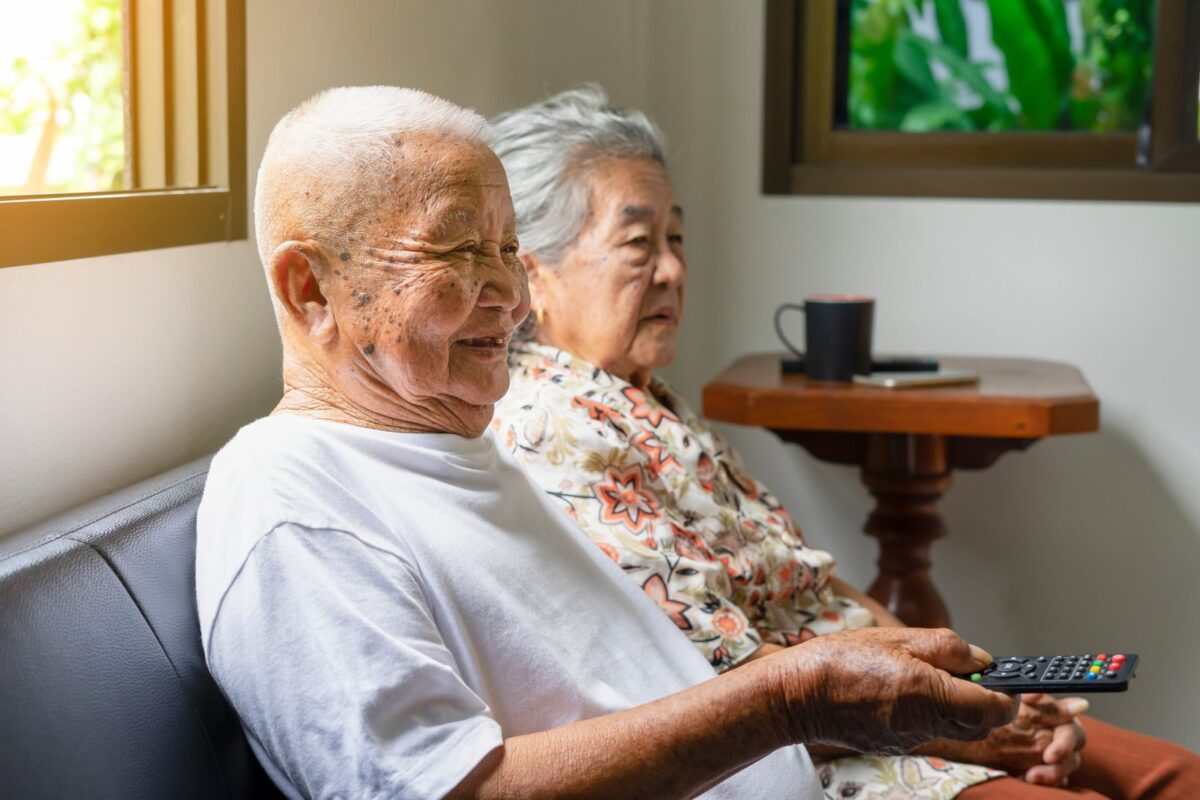
After decades of balancing careers, raising children, managing households, and meeting family responsibilities, some baby boomers appreciate a home where they can simply relax.
There is something comforting about sitting in a familiar living room without worrying about appointments, visitors, work deadlines, or unfinished responsibilities.
For some, this means enjoying a quiet afternoon with the television playing softly in the background. For others, it means reading a newspaper, sitting on the porch, or enjoying a cup of coffee without interruptions.
This desire for peace does not necessarily mean avoiding family or social relationships. Rather, it can reflect an appreciation for having control over one’s time.
After years of accommodating other people’s schedules, deciding when to socialize and when to enjoy solitude can feel particularly rewarding.
A peaceful home also provides a sense of familiarity. The furniture, photographs, decorations, and everyday objects may carry memories that make the space feel personal.
Sometimes, the greatest luxury is having somewhere you can sit down, breathe, and feel no obligation to do anything.
Related: Boomer Cooking Habits That Younger Generations Don’t Get
Conversations That Do Not Revolve Around Technology
Technology has transformed communication, making it easier than ever to send messages, share photographs, and speak to people across the world.
However, some baby boomers may still appreciate uninterrupted, face-to-face conversation.
It could be talking with a neighbor over the garden fence, catching up with an old friend over lunch, or sitting around the kitchen table while family members discuss their week.
These conversations do not always need a particular purpose. Sometimes, people simply want to hear how someone is doing without feeling rushed to end the conversation.
For those who grew up before smartphones and social media became part of everyday life, certain traditional forms of communication may still feel especially familiar.
This does not mean baby boomers dislike technology. Many use smartphones, video calls, and social media regularly. The difference is that digital communication doesn’t always replace the personal experience of being physically present with someone.
A conversation without anyone constantly checking a screen can feel like a small but meaningful luxury.
Familiar Traditions That Make Life Feel Grounded
Not every comfort needs to be something new. Sometimes, the routines people have followed for years become some of the most meaningful parts of their lives.
For many baby boomers, familiar traditions may include preparing a favorite family meal, decorating the house for Christmas, listening to music they enjoyed when they were younger, or gathering relatives for Sunday dinner.
These activities can create continuity between different stages of life.
A familiar recipe may remind someone of their parents or grandparents. A particular song may bring back memories of an important period in their life. Even an annual family gathering can provide something to look forward to.
Traditions also offer opportunities to connect generations. Grandparents may pass down recipes, stories, family photographs, and customs that younger relatives might otherwise never experience.
Of course, not everyone has the same family traditions, and some people prefer creating new ones. What matters is having familiar activities that provide enjoyment and a sense of connection.
For some older adults, these ordinary rituals become more meaningful than expensive gifts or elaborate celebrations.
Related: 7 Songs that Every Boomer Knows by Heart
Being Remembered and Included Without Having to Ask
One of the quieter comforts many people appreciate is knowing that someone is thinking about them.
It does not always require a major gesture. A phone call from an adult child, an invitation to a family gathering, a message from an old friend, or a visit from a neighbor can make an ordinary day feel special.
As family members become busier with careers, relationships, children, and other responsibilities, maintaining regular contact can sometimes become difficult.
However, small gestures of inclusion can help older relatives feel connected to the people around them.
This might mean asking for their opinion when making a family decision, inviting them to share a meal, remembering an important date, or simply checking in without needing a particular reason.
For some baby boomers, being included is about more than receiving attention. It is about knowing that their experiences, opinions, and presence still matter.
They may not always ask for these gestures because they do not want to appear demanding. Nevertheless, feeling remembered and valued can be deeply comforting.
Related: 7 Outdated Manners That Make Younger Generations Cringe
Why These Simple Comforts Matter

What people appreciate often changes throughout their lives. During younger years, excitement, career progress, financial achievements, and new experiences may receive much of their attention.
Later in life, some people begin to value peace, meaningful relationships, familiar surroundings, and enough time to enjoy ordinary moments.
That does not mean every baby boomer wants the same lifestyle. Some remain adventurous, socially active, and eager to explore new experiences. Others prefer quieter routines.
However, these four comforts highlight something worth remembering: making someone feel comfortable and appreciated does not always require spending money.
Sometimes, it means giving them space to relax, putting away the phone during a conversation, keeping meaningful traditions alive, or making the effort to visit.
The simplest gestures can carry a great deal of meaning.
What small comfort do you think older generations appreciate but rarely ask for? Is it a peaceful home, meaningful conversations, family traditions, or simply knowing someone remembers them?