49 Violations, Three Deaths and a $776 Million Extension: Why Camp East Montana Has Become a Billion-Dollar Detention Controversy
A detention facility built as an emergency response has become a defining test of how the United States manages immigration enforcement, government spending and private contracting. Camp East Montana detention center in Texas is now at the center of a national debate after ICE moved to extend a no-bid contract worth up to $776 million despite ongoing concerns over oversight, reported abuses and taxpayer costs.
The facility, located at Fort Bliss near El Paso, was created to expand immigration detention capacity along the U.S.-Mexico border. What began as a rapid expansion project has evolved into a long-term federal commitment involving billions of dollars, private contractors and intense scrutiny from lawmakers, advocacy groups and government watchdogs.
The controversy surrounding Camp East Montana detention center reflects a much larger question about emergency government decisions. When a facility is created quickly to solve an immediate problem, how does the government ensure that speed does not replace accountability?
A temporary solution that became a billion-dollar commitment
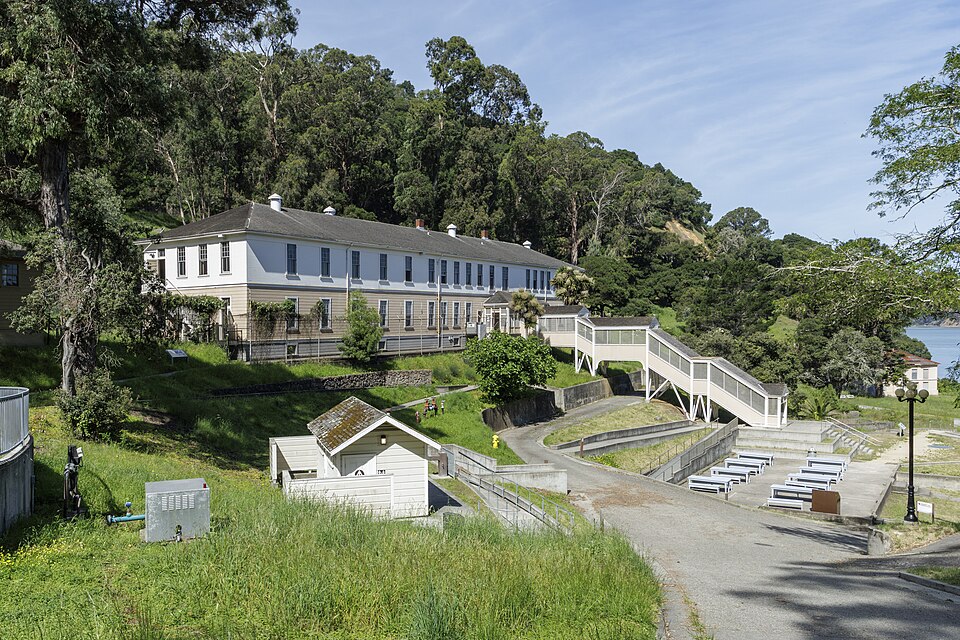
Camp East Montana detention center opened in August 2025 as part of a broader effort to increase immigration detention space. Located on military land at Fort Bliss, the facility was designed to house thousands of detainees and quickly became one of the largest operations within the ICE detention system.
The project developed under urgent circumstances. Federal officials needed additional capacity, but the speed of expansion created challenges involving contracting, oversight and operational planning. Government auditors later questioned whether the original agreement accurately reflected ICE’s needs and whether spending decisions matched actual usage.
The scale of Camp East Montana changed the financial conversation around immigration detention. A facility that was initially viewed as a rapid response measure became a major federal expense with long-term implications for taxpayers and policymakers.
The original contractor, Acquisition Logistics LLC, received the first agreement to help operate the facility. However, concerns emerged about the company’s experience and ability to manage a complex detention operation. The government later moved the operation to Amentum Services Inc., a larger federal contractor with experience in government support services.
ICE’s decision to extend Amentum’s contract could add as much as $776 million to the agreement. Combined with the company’s initial contract, the total value could exceed $1.2 billion if the full period is exercised.
The financial commitment has intensified criticism because Camp East Montana detention center is no longer viewed as a short-term facility. Instead, it represents a continuing investment in a controversial model of immigration enforcement that relies heavily on private contractors.
The contractor changed, but the questions remained
When Amentum took over operations at Camp East Montana detention center, officials presented the transition as a step toward improving management. The company was expected to bring additional resources, stronger systems and greater operational experience.
However, changing contractors did not remove the larger concerns surrounding the facility. Critics argued that the problems at Camp East Montana were not limited to one company but involved broader issues within the detention system itself.
Government contracting often depends on accountability structures. A new company can replace an unsuccessful contractor, but meaningful improvement requires transparent measurements, independent inspections, and clear consequences when standards are not met.
The situation at Camp East Montana highlights a recurring challenge in public-private partnerships. Government agencies often depend on private companies to deliver essential services, but oversight becomes more complicated when operations involve thousands of people and hundreds of millions of dollars.
Amentum inherited a facility already facing public criticism and government review. The company has stated that questions about the operation should be directed to ICE and the Department of Homeland Security, while federal officials have defended the need for continuity.
The debate is now focused on whether the contractor transition produced measurable improvements. For critics, a new name on a contract is not enough. They argue that the public needs evidence of better conditions, stronger medical services and improved transparency.
Inside the inspection findings that intensified scrutiny

The debate surrounding Camp East Montana detention center grew after federal inspectors identified dozens of issues involving facility operations. An ICE Office of Detention Oversight inspection documented 49 deficiencies in areas such as medical care, security procedures, mental health services, and reporting practices.
These findings did not represent a single isolated concern. They reflected weaknesses across several areas that directly affect detainee safety and daily operations.
Among the reported problems were concerns about medical follow-up, documentation failures, and procedures involving the use of force. Inspectors also examined whether staff consistently followed requirements designed to protect detainees from harm.
The inspection findings created a complicated picture of Camp East Montana detention center. Federal officials considered the facility acceptable overall, but the number of identified deficiencies raised questions about whether existing standards were strong enough.
This tension has appeared in other detention systems throughout history. Government facilities often operate under strict regulations, yet inspections can reveal gaps between written policies and daily practices.
The challenge for policymakers is determining whether compliance alone is sufficient. A facility may meet basic requirements while still facing criticism from detainees, families, lawyers, and advocacy organizations.
Human rights allegations put detainee conditions under the spotlight

Financial concerns are only one part of the controversy surrounding Camp East Montana detention center. Reports from Human Rights Watch and the American Civil Liberties Union placed detainee experiences at the center of the national discussion.
The organizations documented allegations from former detainees who described claims involving poor living conditions, inadequate medical care, and mistreatment by staff. The groups called for further investigations and urged officials to reconsider the facility’s future.
These allegations have become a major factor in calls for closure. Critics argue that extending a large contract before fully addressing reported problems risks allowing existing failures to continue.
Government agencies have emphasized that detention facilities operate under oversight requirements and that allegations are reviewed through established processes. Officials have also argued that maintaining detention capacity is necessary for immigration enforcement operations.
The disagreement reflects a broader national debate about immigration detention. Supporters view detention centers as necessary tools for enforcing immigration laws, while critics question whether the system provides sufficient protections for people held in government custody.
Camp East Montana detention center has become a symbol of that debate because it combines several difficult issues at once: enforcement priorities, human rights concerns, government spending, and private industry involvement.
The hidden cost of unused capacity and rushed planning
Beyond questions about detainee treatment, Camp East Montana detention center has faced criticism over financial management. Government reviews found concerns about paying for capacity and services that were not always fully needed.
The facility was designed to support thousands of detainees, but the population has not consistently reached maximum levels. Auditors found that the government continued paying for certain resources based on higher capacity projections.
One of the most significant concerns involved food services and operational expenses. Reports indicated that millions of dollars were spent on services that exceeded actual demand during periods when fewer detainees occupied the facility.
This issue highlights a common challenge in emergency government spending. Rapid decisions can solve immediate problems, but they may create long-term financial obligations that become difficult to adjust.
The history of federal contracting includes many examples where emergency projects later required stronger oversight. From military logistics programs to disaster response contracts, governments have often faced criticism when urgency reduced competition or planning.
Camp East Montana detention center now represents a similar challenge. The question is not only how much money has been spent, but whether future spending will include stronger safeguards.
Why closing Camp East Montana has become complicated
Calls to close Camp East Montana detention center have grown, but ICE argues that shutting down the facility would create operational challenges. The agency says relocating detainees would be difficult because alternative detention space is limited.
ICE has also argued that replacing Amentum would create additional costs. The agency points to infrastructure, staffing requirements and operational systems that would need to be rebuilt under a different contractor.
This argument highlights what critics describe as a “too expensive to fail” problem. Once a government facility reaches a certain size, closing it can become politically and financially complicated.
Large government projects often develop their own momentum. The more money invested and the more people involved, the harder it becomes to reverse course.
For Camp East Montana detention center, the debate is now about more than whether the facility should remain open. It is about whether the government can demonstrate that continued operation delivers value, safety and accountability.
The future of the facility will likely depend on whether officials can show measurable progress. Stronger inspections, transparent reporting and improved conditions may influence whether public criticism decreases or continues.
A larger debate about the future of immigration detention

The controversy surrounding Camp East Montana detention center reflects a broader transformation in U.S. immigration enforcement. As detention capacity expands, private companies have become increasingly involved in providing services traditionally managed by government agencies.
This model has created ongoing debate over efficiency and accountability. Supporters argue that contractors provide flexibility and expertise, while critics question whether profit incentives align with public responsibilities.
Similar debates have emerged across the country whenever private companies manage essential government services. Healthcare, prisons and military support operations have all faced questions about how governments balance cost, performance and public oversight.
Camp East Montana detention center has become a powerful example because it combines all of these concerns in one location. It involves immigration policy, taxpayer spending, contractor responsibility and the treatment of people in federal custody.
The decision to extend the Amentum contract ensures that the debate will continue. As the facility moves toward another year of operation, attention will remain focused on whether the government can address documented concerns while maintaining enforcement capacity.
Camp East Montana detention center is more than a single facility in Texas. It represents a difficult national conversation about how quickly governments should expand, how carefully they should spend public money, and how they measure success when human lives are involved. The coming years will reveal whether this billion-dollar commitment becomes an example of improved oversight or a reminder of the risks created when emergency decisions become permanent.