9 Dangerous Ways Men Misread Women’s Dressing as an Invitation
Walking down the street or sitting in a coffee shop, a woman’s choice of clothing is often personal, expressive, or simply comfortable. Yet, a concerning number of men misinterpret these choices as a signal for attention or consent. Fashion, colors, and style reflect personality, mood, or seasonal trends, but they are not universal invitations. Misreading these signals can lead to uncomfortable, unsafe, and even threatening situations for women. Recognizing how clothing is misinterpreted can illuminate the dangerous assumptions underlying many interactions.
The problem arises when cultural, social, or individual biases mix with clothing choices. A short skirt, fitted top, or vibrant dress can be seen as an expression of confidence or creativity, yet some men falsely read them as a signal for sexual availability. This misreading is amplified in public spaces, at social gatherings, or online, where appearance is the first thing observed and often wrongly assumed to dictate behavior. Understanding these pitfalls helps address harassment, entitlement, and the widespread tendency to objectify women based on superficial cues. The following sections examine nine specific ways this misinterpretation manifests and why it poses real risks.
Equating Body Confidence with Consent

A woman wearing tight or revealing clothing is often displaying confidence in her own body rather than signaling sexual interest. Many men mistakenly conflate confidence with an invitation to flirt, touch, or pursue romantic attention. This dangerous assumption ignores personal boundaries and reduces a woman’s expression to an object for male validation. Confidence is empowerment, not permission. Ignoring this distinction can lead to verbal harassment, unsolicited advances, or worse, physical aggression in public or private settings.
The prevalence of this misreading is reinforced by media and social narratives that depict certain body types or fashion choices as inherently provocative. The risk is that men internalize these cues as social contracts, believing that admiration or pursuit is automatically welcome. Women, in turn, face the double burden of managing their self-expression and anticipating these misinterpretations. Recognizing that clothing does not equal consent is a critical step toward safer interactions.
Misinterpreting Casual or Trendy Fashion as Seduction

Modern fashion often embraces crop tops, leggings, ripped jeans, or off-shoulder designs as everyday wear. Men unfamiliar with these trends may misread them as overtly sexual or seductive. This misinterpretation is particularly common among older generations or those with rigid beliefs about modesty. Fashion is dynamic and influenced by culture, personal taste, and comfort, yet it is often reduced to a narrow lens of attraction in the minds of some men.
This misunderstanding can create tension in workplaces, schools, or public venues. A casually dressed woman may experience unwelcome comments, stares, or intrusive questions because her appearance is misinterpreted as indicating interest. Such behavior undermines professional, social, and personal boundaries and contributes to a culture where women feel pressured to dress cautiously to avoid misinterpretation rather than to express themselves freely.
Reading Colors as Invitations
Bright colors, particularly red or pink, are often culturally associated with passion, flirtation, or romance. Some men erroneously interpret these color choices as explicit signals of availability. A woman might choose red simply because she likes the shade, it complements her outfit, or it lifts her mood. Misreading color as an invitation reflects a superficial and harmful mindset that reduces women to visual cues.
The danger lies in projecting intention. Men may approach, compliment, or pursue women based solely on color assumptions, ignoring verbal or nonverbal boundaries. This behavior reinforces stereotypes that clothing choices dictate personality or sexual intent, which is both inaccurate and disrespectful. Understanding that color preference is personal rather than communicative can prevent these misguided interactions.
Conflating Style Trends with Romantic Interest
Trendy or fashionable clothing, such as high heels, crop jackets, or statement accessories, often signals awareness of current style rather than an intent to attract men. Many men misread style-conscious choices as flirtation. Social media amplifies this by presenting influencers in visually striking outfits, leading to the assumption that women in similar attire share the same intentions.
The consequences can range from intrusive comments to unwanted physical approaches. Women may feel unsafe or self-conscious, altering their behavior to avoid attention. Recognizing that trend-following is about self-expression, not seduction, helps dismantle assumptions that can escalate into harassment. It also fosters respect for individuality and personal space.
Misreading Practical Clothing as Provocative

Certain clothing serves functional purposes: workout gear, summer dresses, or professional uniforms. Yet, some men interpret these choices as sexualized. Leggings at the gym, a sundress on a warm day, or fitted work attire might be misread as a personal invitation. This misperception demonstrates a lack of awareness of context, practicality, and individual choice.
Women navigating public spaces face heightened scrutiny when men project intentions onto functional attire. They may experience lingering stares, unsolicited comments, or digital harassment. Educating men about context and intent is crucial to mitigating these dangerous misinterpretations and to respecting women’s autonomy in their choices.
Mistaking Smiling or Friendly Gestures as Signals
Friendly demeanor, including smiles or casual eye contact, can be misread by some men as encouragement for romantic pursuit. When combined with certain clothing choices, these misreadings intensify. A woman expressing politeness or warmth in a professional or social setting may inadvertently attract attention she does not welcome.
This phenomenon contributes to a climate of uncertainty and fear. Women often feel compelled to modulate both appearance and behavior to avoid misinterpretation. Men must learn to distinguish between friendliness and consent, understanding that attire or expression alone cannot justify unsolicited advances.
Overgeneralizing from Media Representations
Media and entertainment frequently depict women in fashionable, revealing clothing as open to romantic or sexual attention. Men who internalize these portrayals may falsely assume that similar clothing choices in real life carry the same implication. This overgeneralization is dangerous, creating unrealistic expectations and eroding respect for personal boundaries.
Such assumptions can manifest in digital interactions, workplace behavior, and public encounters. The misreading fosters entitlement, reinforcing the notion that appearance is a transactional signal rather than an expression of individuality. Recognizing the distinction between media fantasy and real-life consent is vital for healthier social dynamics.
Ignoring Verbal and Nonverbal Cues
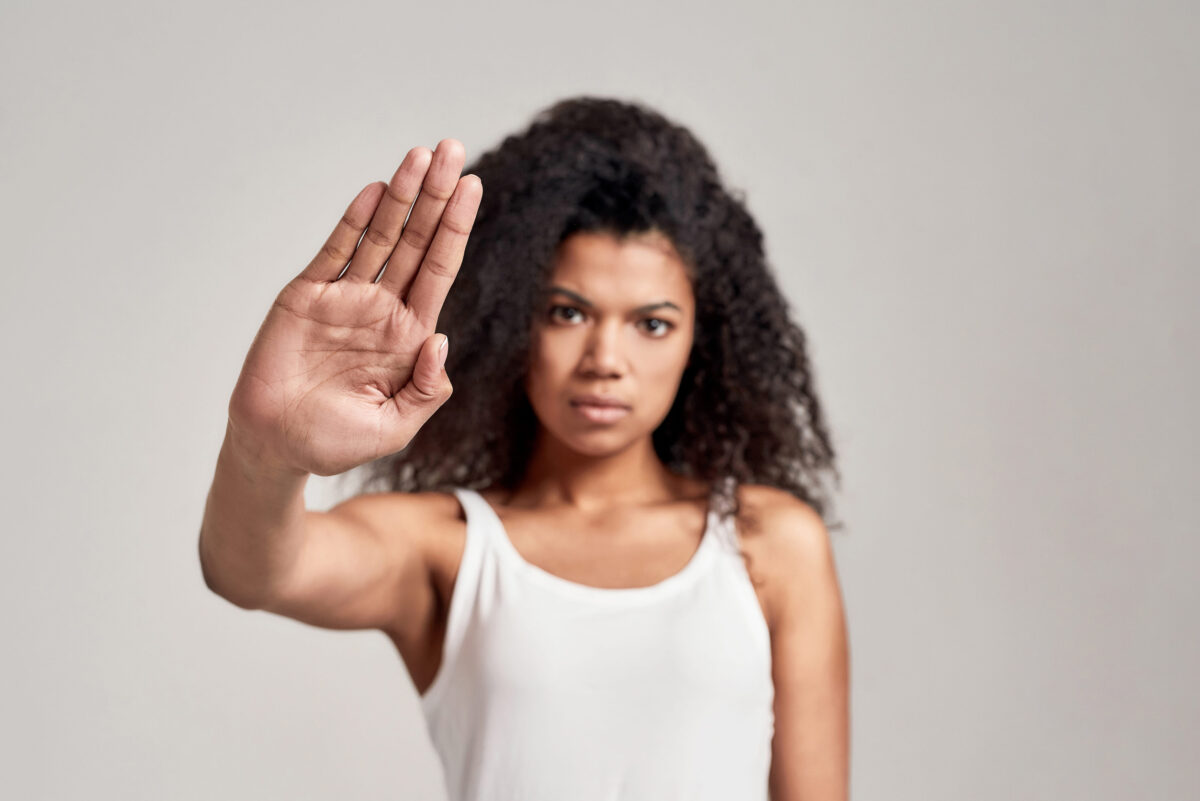
Even when women communicate disinterest or maintain personal space, men sometimes prioritize perceived visual cues over explicit signals. Clothing, posture, or grooming is then misinterpreted as permission to engage, leading to harassment or intimidation. This disregard for verbal or nonverbal boundaries is a hallmark of entitlement and reinforces unsafe environments.
The solution involves cultivating awareness that women’s choices, expressions, and body language must be respected independently of appearance. Observing cues without presuming intent prevents misreadings that escalate into uncomfortable or dangerous encounters. Respecting communication over assumptions is essential.
Projecting Personal Desires onto Others
Ultimately, many dangerous misinterpretations stem from projecting personal desires onto women’s appearance. Men assume attraction, interest, or availability based on clothing rather than seeking consent. This projection transforms ordinary fashion into a tool for the justification of unwanted attention, perpetuating harassment and gendered inequality.
This behavior underscores a critical social issue: the assumption that women exist to cater to male desire. It normalizes misreading, undermines autonomy, and reinforces patterns of entitlement. Addressing this requires self-reflection, education, and a commitment to respecting women’s boundaries irrespective of appearance.
Conclusion
Women’s clothing choices are personal expressions of identity, comfort, and style. Misreading these choices as invitations is both dangerous and disrespectful. From misinterpreting confidence to projecting desires, the nine behaviors outlined above reveal patterns that lead to harassment, unsafe interactions, and a culture of entitlement. Recognizing these misinterpretations is essential to fostering respect, personal boundaries, and social accountability. True respect for women involves appreciating their autonomy, valuing their signals, and understanding that fashion is expression, not consent. As society progresses, addressing these dangerous assumptions can create safer spaces where clothing reflects individuality rather than risk.
Men must consciously separate desire from assumption, learning that attraction does not grant permission, and fashion does not dictate consent. Respecting these boundaries is the cornerstone of equitable and safe social interaction.