12 Things Boomers Can’t Stand About Modern Restaurants
Modern restaurants have changed in ways that can make a simple dinner feel more complicated than it needs to be. For many boomers, going out to eat used to mean a warm greeting, a paper menu, steady service, reasonable portions, and a bill that made sense. Today, that same experience can come with QR codes, loud music, tiny plates, tip screens, service fees, and menus that sound like poetry homework.
The frustration is not always about resisting change. It is often about feeling that restaurants have traded comfort and hospitality for speed, trends, and technology. Boomers may enjoy a stylish meal as much as anyone else, but they still want clarity, good service, fair prices, and a dining room where people can actually talk. These are the modern restaurant habits that tend to irritate them the most.
QR Code Menus That Replace Paper Menus

Many boomers dislike sitting down at a restaurant and being told to scan a code before they can even see the food options. A paper menu feels simple, direct, and part of the dining experience. A QR code menu can feel like a homework assignment, especially when the phone camera will not open, the signal is weak, or the text is too small to read comfortably.
The bigger issue is that it makes the meal start with a screen instead of service. Restaurants may see QR codes as efficient, but older diners often see them as cold and unnecessary. A printed menu gives guests a sense of ease. A phone menu makes them feel like they are doing the restaurant’s job before the meal has even begun.
Loud Music That Makes Conversation Difficult
Boomers often complain that modern restaurants are too loud. Many newer dining rooms use hard floors, exposed ceilings, metal chairs, open kitchens, and booming playlists that bounce sound around the room. What looks trendy on social media can feel exhausting when guests have to shout across the table.
For older diners, this can ruin the entire point of going out. A meal is supposed to be social, relaxed, and easy to enjoy. When the noise level turns every sentence into a struggle, the food almost becomes secondary. Many boomers would gladly trade the trendy soundtrack for a place where they can hear their friends without having to lean forward all night.
Casual Service That Feels Too Careless
Many boomers miss the feeling of attentive restaurant service. They notice when water glasses stay empty, servers disappear, orders take too long, or no one checks on the table after the food arrives. Friendly service is nice, but it cannot replace basic attention.
Modern restaurants sometimes rely too much on technology and self-service systems. Guests may order by phone, pay with a code, and interact little with staff. That can work for fast casual dining, but it feels disappointing in a full-service restaurant. Boomers still expect hospitality when they are paying restaurant prices.
Hard Chairs and Uncomfortable Seating
A stylish dining room does not always mean a comfortable one. Boomers often complain about hard chairs, backless stools, narrow tables, tight spacing, and seating that looks good but feels bad. A restaurant may photograph beautifully, but comfort matters when someone is sitting through a full meal.
This is especially true for older guests who may have back pain, knee pain, or mobility issues. They want to enjoy dinner without feeling stiff by the end. A good restaurant should make people want to stay, not rush them out because the chairs are uncomfortable. Design should support hospitality, not fight against it.
Reservation Apps That Make Dining Feel Stressful
Boomers often miss the days when making a restaurant reservation meant calling a real person. Now, reservations may involve apps, waitlists, text confirmations, credit card holds, cancellation fees, and strict time limits. The process can feel more stressful than it needs to be.
Restaurants may use these systems to manage demand, but diners can feel treated like booking numbers instead of guests. Older customers often prefer direct communication, especially when they have questions about seating, parking, accessibility, or timing. A restaurant visit should feel welcoming before the guest even walks in. Complicated reservation systems can ruin that first impression.
Food Trends That Go Too Far
Boomers are not against interesting food, but they can get tired of menus that chase every trend at once. Some restaurants pack dishes with unusual ingredients, fusion combinations, foam, smoke, edible flowers, spicy sauces, and dramatic presentations. After a while, the meal can feel less like dinner and more like a performance.
Many older diners simply want good food cooked well. They do not always need a burger reinvented, a salad deconstructed, or a dessert served in a jar with five textures. Creativity is welcome when it improves the dish. It becomes annoying when it makes the food harder to understand, harder to eat, or less satisfying.
Tip Screens That Put Pressure on Customers

The modern tip screen has become one of the most uncomfortable parts of dining out. Boomers are used to tipping after receiving service, not being asked to choose a tip while a cashier watches. The suggested amounts can also feel aggressive, especially when they start at 20% for counter service or takeout.
The awkwardness is the real problem. Diners feel judged if they choose a lower amount, even when the service was limited. A simple coffee, sandwich, or pickup order suddenly becomes a public decision. For boomers who grew up with tipping as a private thank-you, the glowing screen can feel more like pressure than appreciation.
Hidden Fees That Show Up on the Bill
Boomers do not like surprises on the receipt. A menu may list one price, but the final bill can include service charges, kitchen fees, employee wellness fees, credit card fees, or automatic gratuity. Even when the restaurant has a reason for the charge, diners can feel misled.
The frustration comes from the lack of transparency. Most people would rather see honest prices upfront than discover extra costs at the end of the meal. Boomers tend to value straightforward pricing. When the bill looks like it needs an explanation, the restaurant loses trust fast.
Cashless Payment Rules
Some modern restaurants no longer accept cash, and many boomers see that as unnecessary and exclusionary. Cash feels simple, familiar, and private. It also helps some people control spending because they can physically see what they are using.
A cashless policy can make older customers feel pushed out of a place they would otherwise enjoy. It assumes everyone wants to pay the same way, which is not true. Cards and apps may be convenient for many people, but choice still matters. A restaurant that refuses cash can feel less modern and more unwelcoming.
App-Only Rewards Programs
Boomers often dislike being told to download an app just to get a discount or loyalty reward. In the past, a regular customer might get a punch card, a friendly greeting, or a simple birthday treat. Now, the process may require creating an account, entering personal details, scanning codes, and accepting notifications.
That can make loyalty feel like work. Many older diners do not want another app on their phone just to save a few dollars. They want restaurants to remember that loyalty used to feel personal. When every reward is hidden behind a login screen, the charm disappears.
Menus That Are Too Complicated
Modern restaurant menus can sometimes feel more confusing than exciting. Dishes may come with long descriptions, unfamiliar ingredients, vague names, and trendy food terms that leave diners unsure of what they are ordering. Boomers often prefer menus that clearly explain the meal.
This does not mean they dislike creative food. It means they want the menu to make sense. A guest should not need a server to translate half the page. When a chicken dish sounds like a science project, the restaurant may be trying too hard. Clear food descriptions make the experience easier for everyone.
Tiny Portions With Big Prices
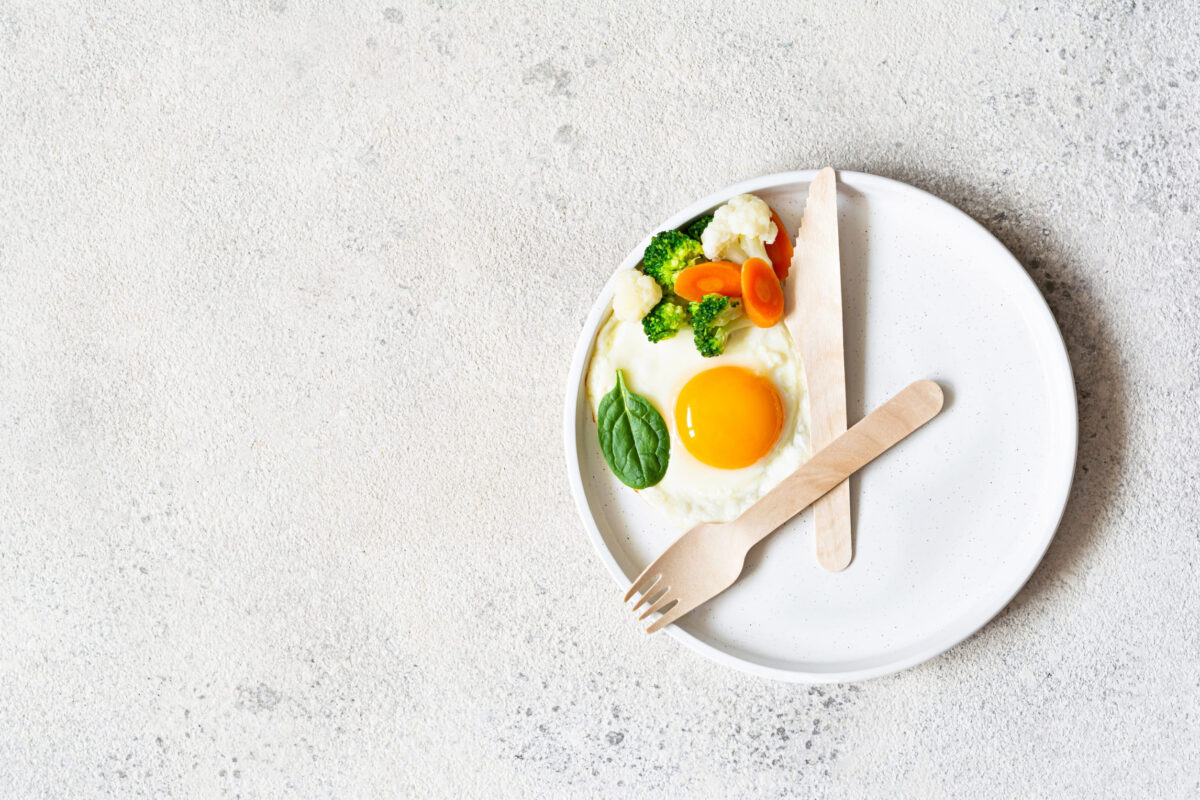
Small plates and carefully arranged portions may look elegant, but they often leave boomers unimpressed. Many grew up expecting a restaurant meal to feel generous. When a plate arrives with three bites of protein, a smear of sauce, and a few decorative greens, the price can feel insulting.
This becomes even more irritating when restaurant prices keep rising. Boomers may understand inflation, but they still notice when portions shrink. A beautiful plate is nice, but it should not leave someone planning a snack afterward. For many older diners, value still matters as much as presentation.
Conclusion
Boomers are not asking restaurants to go backward. They are asking them to remember the basics. A great restaurant should offer clear menus, comfortable seating, fair prices, warm service, and a room where people can enjoy a real conversation.
Modern touches can enhance dining by adding convenience. They become a problem when they replace hospitality. The restaurants that win across generations will be the ones that blend fresh ideas with old-fashioned comfort. After all, nobody wants to pay more money for a meal that feels less enjoyable.