10 Dangerous Mistakes Everyone Makes With Pumpkins Each Season
Pumpkins are everywhere in the fall, from grocery stores to front porches, but most people barely scratch the surface of what can go wrong with these iconic autumn staples. Beyond the jack‑o’‑lanterns and pumpkin spice craze, many mishandling habits lead to wasted money, ruined recipes, and even health risks. Understanding pumpkins and avoiding common mistakes can make your fall season safer, tastier, and less frustrating.
Here are 10 dangerous mistakes everyone makes with pumpkins each season, and how to avoid them.
Choosing Pumpkins Without Considering Use
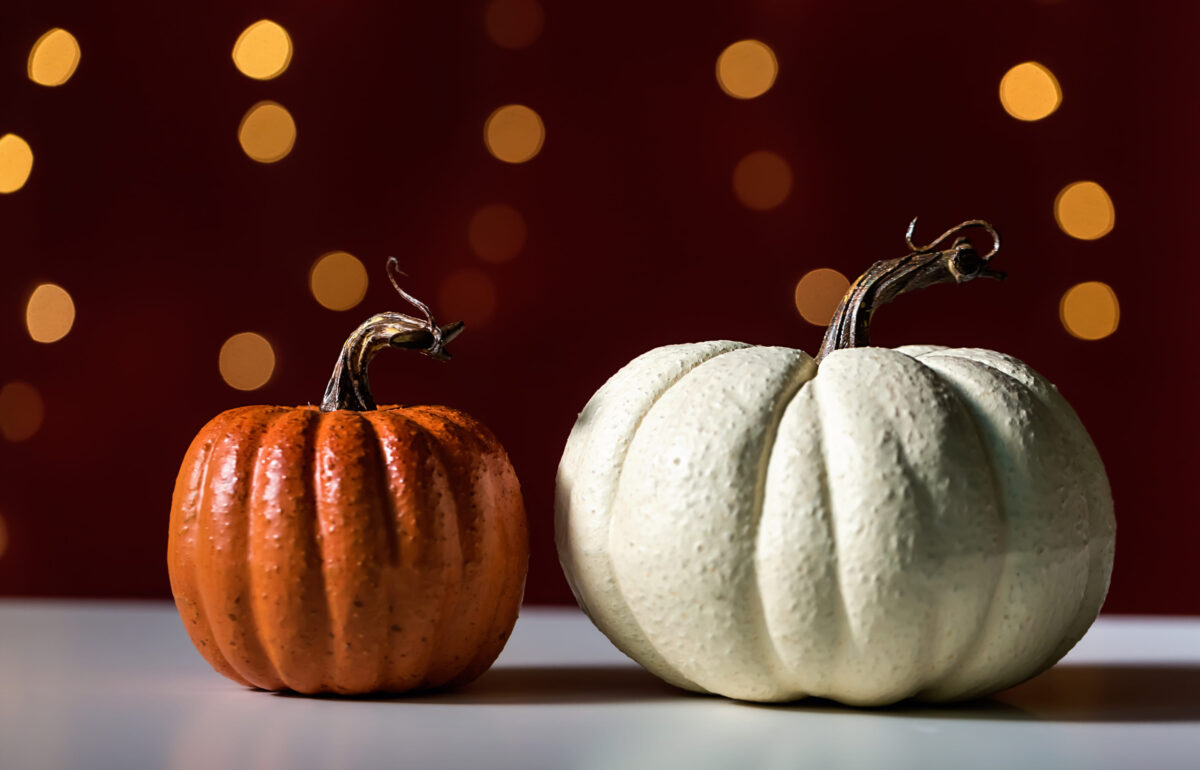
Not all pumpkins are created equal for carving or cooking. Carving pumpkins are hollow with thin walls, while sugar pie varieties are dense and sweet for baking. Using the wrong type can ruin your jack‑o’‑lantern or make your pie watery and flavorless.
Even mini pumpkins have their purpose; small varieties are best for individual servings or decorations, not carving contests. Selecting the wrong pumpkin type is one of the most overlooked errors each season.
Buying Pumpkins Too Late
Waiting until the last minute to grab pumpkins often leads to overpaying or getting damaged, moldy, or inferior fruit. Prices spike in October, and shelves quickly empty, leaving the least desirable options. Purchasing early ensures you get the right size, variety, and quality for carving or cooking.
Planning ahead also allows pumpkins to cure properly, extending their shelf life. Picking too late limits both culinary and decorative options, resulting in stress and wasted money.
Ignoring Proper Storage
Pumpkins left in damp, sunny, or crowded spots spoil faster. Soft spots, mold, and insect infestations appear quickly without proper ventilation and temperature control. Many Americans assume pumpkins are low-maintenance, only to find them rotting before Halloween.
Storing pumpkins in a cool, dry, ventilated area with space between each fruit prevents waste. Curing for 10–14 days strengthens the rind, but skipping this step drastically shortens shelf life.
Overlooking Nutritional Value
Treating pumpkins purely as decorations ignores their rich nutritional value. Failing to cook or eat the flesh and seeds wastes high levels of vitamin A, C, potassium, fiber, and antioxidants. Many people toss seeds or leave pulp unutilized, missing an easy health boost.
Using pumpkin in soups, roasted dishes, or seeds as snacks maximizes its benefits. Ignoring nutrition turns a versatile superfood into nothing more than a temporary ornament.
Carving Without Preparation

Carving without planning is a recipe for frustration. Pumpkins with thin, uneven flesh collapse, and improper tools lead to injuries or sloppy designs. Many Americans underestimate the difficulty and end up with ruined decorations.
Preparing by selecting the right pumpkin and using sharp, precise tools ensures success. Taking shortcuts with carving is one of the most common seasonal blunders.
Misjudging Size
Buying a pumpkin that’s too large or too small can backfire. Giants are impressive but rarely edible and difficult to handle, while tiny ones may be useless for carving or recipes. Ignoring size considerations leads to disappointment and wasted effort.
Weight-to-size ratio matters too; a light pumpkin might be hollow or spongy, unsuitable for cooking. Learning proper selection saves money and prevents frustration.
Overusing or Misusing Spices
Adding too much pumpkin spice or artificial flavor to recipes masks the natural taste of pumpkins. Many Americans overcompensate for bland varieties, ruining pies, lattes, or baked goods.
Using the right pumpkin type and subtle seasoning enhances flavor naturally. Over-spicing is a culinary misstep that wastes both ingredients and money.
Disregarding Safety in Giant Pumpkin Events
Giant pumpkin displays or contests pose risks if pumpkins topple or are handled improperly. People underestimate the dangers of pumpkins weighing hundreds of pounds.
Following event safety protocols and using proper lifting tools prevents injuries. Ignoring safety is an overlooked hazard in autumn festivities.
Letting Pumpkins Go to Waste
Unused or leftover pumpkins are often discarded without thought. Entire pies, roasted flesh, and seeds are thrown away unnecessarily. This is both wasteful and avoidable.
Using leftover pumpkin for soups, muffins, smoothies, or compost ensures nothing goes to waste. Proper planning and creativity maximize both culinary and financial value.
Forgetting About Pests and Disease
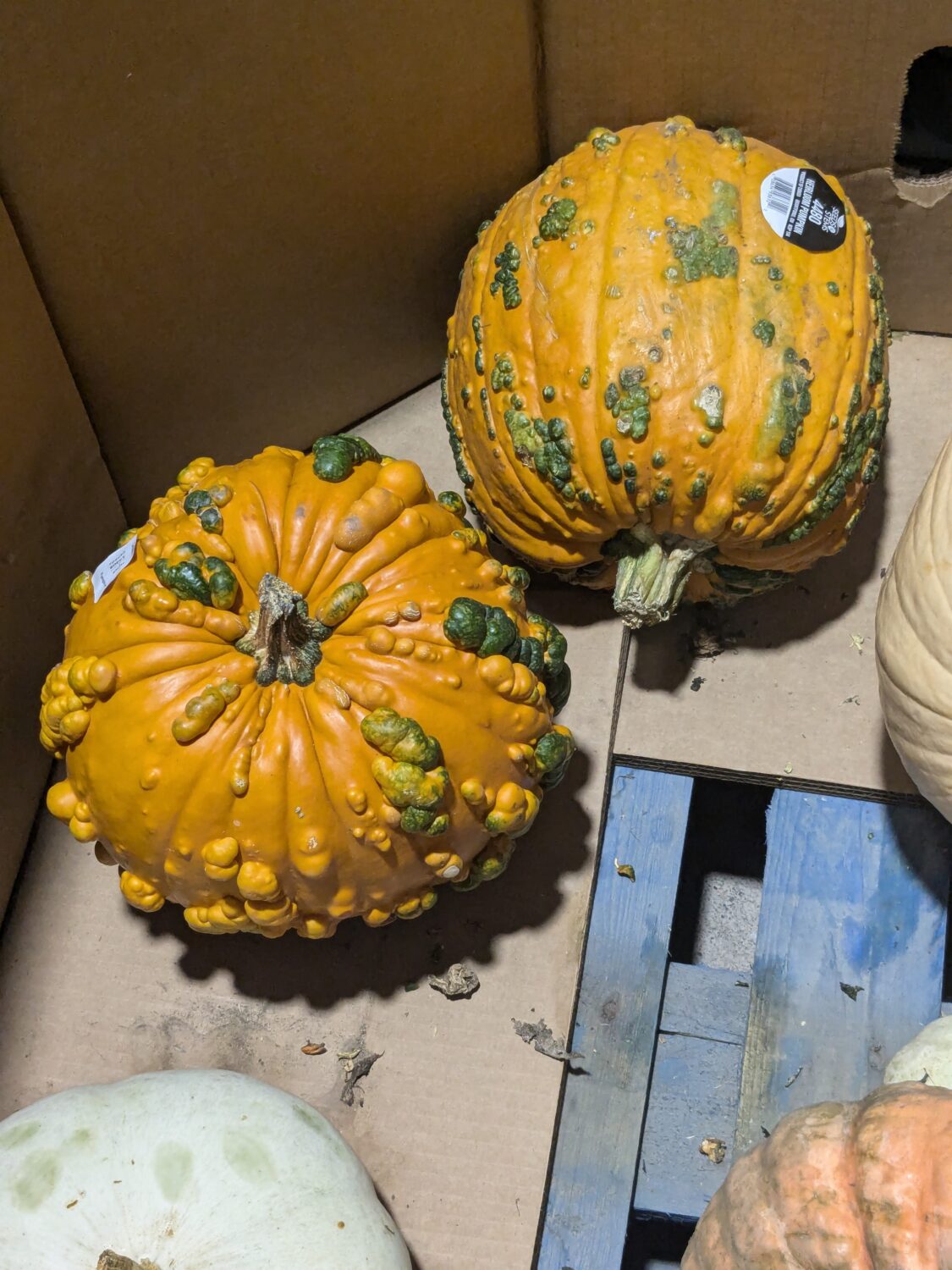
Pumpkins left unchecked attract insects, squash bugs, or fungal infections. Many assume pumpkins are resilient, only to find vines destroyed or fruits riddled with holes. Neglecting garden care leads to both financial and culinary losses.
Routine monitoring, proper spacing, and pest control measures keep pumpkins healthy. Ignoring these steps is a classic seasonal mistake.
Conclusion
Pumpkins are far more than festive decorations; mishandling them can lead to financial, culinary, and even safety problems. Understanding the right type, size, and storage for your pumpkins ensures maximum value and enjoyment.
Neglecting care, over-spicing, or misjudging size and variety are common mistakes that undermine the potential of pumpkins in both kitchens and homes. Avoiding these missteps preserves money, flavor, and time.
Incorporating proper planning, safety, and nutritional awareness makes pumpkins a versatile, enjoyable, and surprisingly practical part of fall. Next season, treat pumpkins with respect or risk turning autumn into a frustrating, wasteful experience.