9 Things You Can’t Legally Sell From Your Home Kitchen
Thinking about turning your famous cheesecake, homemade salsa, or meal prep bowls into a side hustle? Before you print labels and start taking orders, there’s one important thing to know: just because you can make food at home doesn’t mean you can legally sell it from your home kitchen.
Most states have some version of a cottage food law. These rules allow small food businesses to prepare certain products in a private home instead of using a licensed commercial kitchen. But cottage food laws generally focus on shelf-stable, relatively low-risk foods, such as cookies, breads, candies, dry mixes, and certain jams.
Rules vary widely by state, so none of the foods below should be treated as universally illegal. Some states offer special permits, testing programs, or temperature-controlled food pathways. Still, these categories are commonly restricted under basic cottage food rules.
Meat and Poultry Products
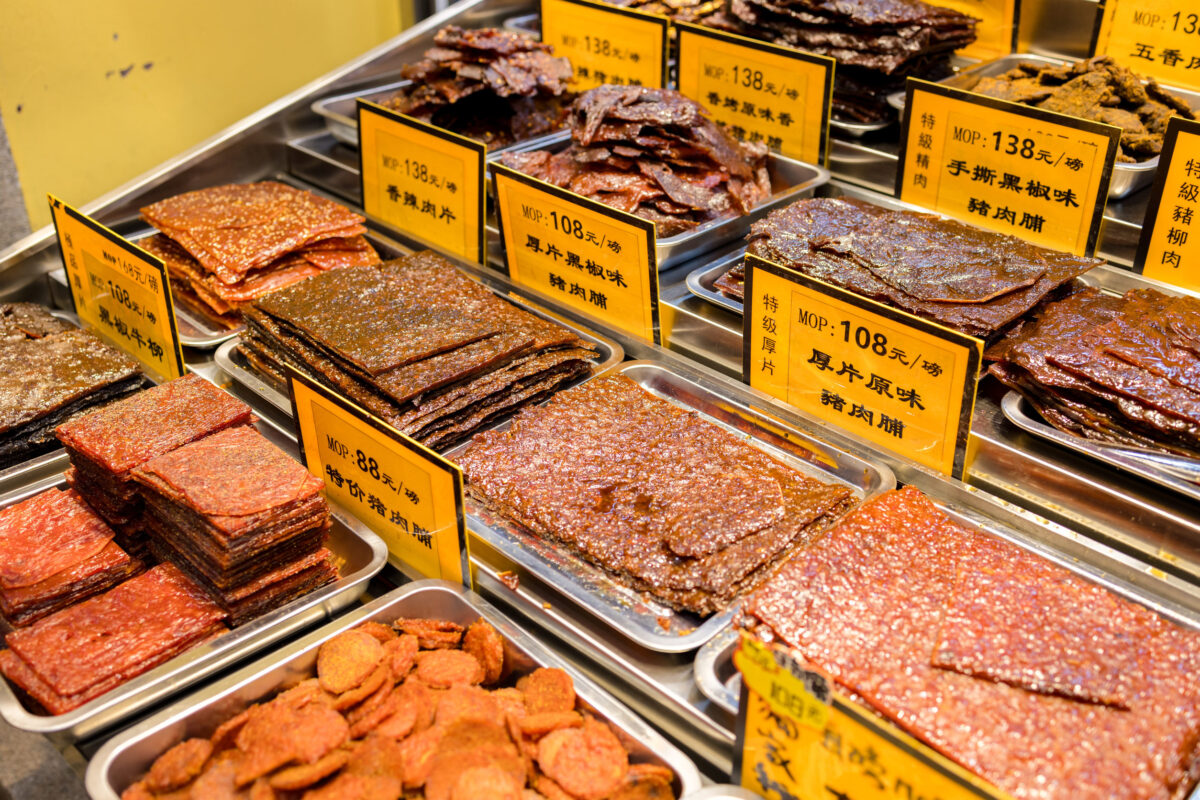
Homemade beef jerky may seem like the perfect farmers market product, but meat is one of the trickiest categories to sell from a home kitchen.
That includes foods such as sausage, bacon, smoked meat, chicken pot pies, meat-filled empanadas, pulled pork, meat sauces, and many forms of jerky.
Why the extra scrutiny? Meat and poultry can support dangerous bacterial growth and are also subject to federal and state inspection rules. Drying or smoking meat does not automatically make it cottage food friendly.
If your dream business revolves around brisket, sausage, or jerky, you may need an inspected processing facility, commercial kitchen, or compliant co-packer instead.
Related: 6 Meats That Are Now Illegal to Eat in the United States
Seafood
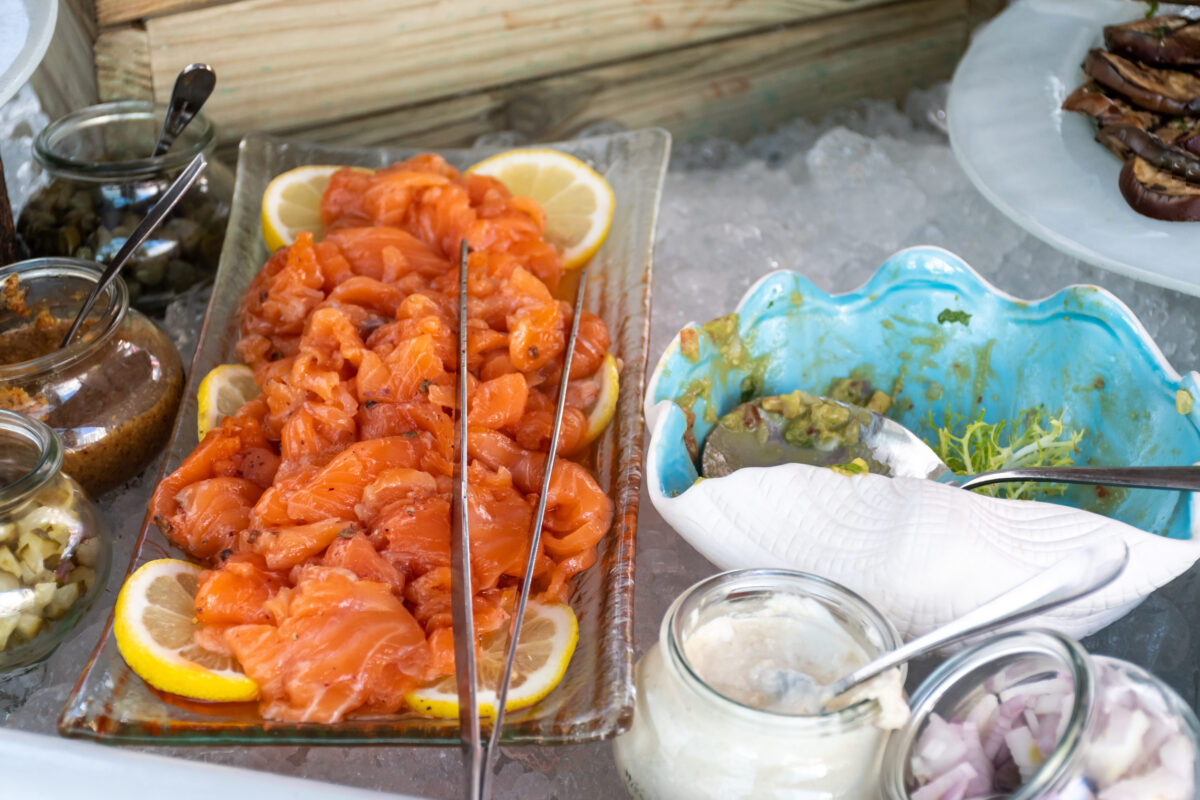
Seafood is another category that rarely fits neatly into basic cottage food programs.
Think smoked salmon, crab cakes, shrimp gumbo, tuna salad, ceviche, fish jerky, seafood dips, sushi, and homemade canned fish.
These foods usually require strict temperature control and careful handling. Raw or partially cooked seafood can add even more concerns, including parasites and cross-contamination.
A dry seafood seasoning blend is much simpler. An actual container of shrimp dip will generally push you into licensed food business territory.
Cream and Custard Filled Baked Goods
Here is where many home bakers get surprised.
Cookies and pound cakes may be perfectly acceptable, while Boston cream pie, cream puffs, cannoli, custard tarts, cream-filled doughnuts, and whipped cream cakes may not be.
The problem is not simply that they are baked. It is what happens after baking.
Cream, custard, ricotta, meringue, and similar fillings can require refrigeration to remain safe. Cottage food programs usually favor baked goods that can safely sit at room temperature.
One practical workaround is to use a state-approved shelf-stable filling or frosting instead.
Cheesecakes and Refrigerated Desserts

Cheesecake might be your bestseller at family gatherings, but standard cottage food programs commonly exclude it.
The same problem can apply to tiramisu, panna cotta, mousse cakes, tres leches cake, pudding desserts, icebox cakes, gelato, and ice cream.
These products generally rely on refrigeration or freezing. Once continuous temperature control becomes necessary for safety, the food often moves outside the basic cottage food model.
There are exceptions. Texas, for example, has a pathway allowing some temperature-controlled foods under additional registration and handling requirements. That is exactly why checking your own state’s current rules matters.
Stand Alone Dairy Products
Using butter or pasteurized milk in cookies differs greatly from selling homemade yogurt.
Cheese, yogurt, kefir, sour cream, butter, queso, refrigerated dips, and cheese spreads can fall under separate dairy and food processing regulations.
Raw milk products may face even stricter rules.
The useful distinction is the finished food. A shelf-stable brownie containing butter may be allowed even when a tub of homemade cheese dip is not.
Low Acid Canned Vegetables and Soups
This category deserves extra caution.
Home canned green beans, corn, mushrooms, carrots, potatoes, beans, soups, broths, gravies, and vegetable purées can create conditions in which Clostridium botulinum may grow if processing is inadequate.
And no, a successful jar seal does not prove the food is safe.
Commercial low acid canned foods require carefully controlled processing. Some states have special programs for trained home processors, but basic cottage food permits typically do not cover this kind of canning.
For a simpler product line, consider dry soup mixes or dehydrated vegetables instead.
Salsa, Pickles, Hot Sauce, and Fermented Foods
This category gets confusing because the rules vary dramatically.
A jar of salsa or pickles may seem obviously shelf-stable, but adding vinegar does not automatically make a product safe.
Its safety can depend on the exact recipe, acidity, ingredient proportions, final pH, heat treatment, packaging, and fermentation process.
Hot sauce, barbecue sauce, kimchi, sauerkraut, chutney, pickles, kombucha, and similar products may require recipe approval, laboratory testing, special training, or another license.
Some states do allow them under defined conditions, so this is definitely a category to check before selling.
Garlic in Oil and Fresh Herb Oils
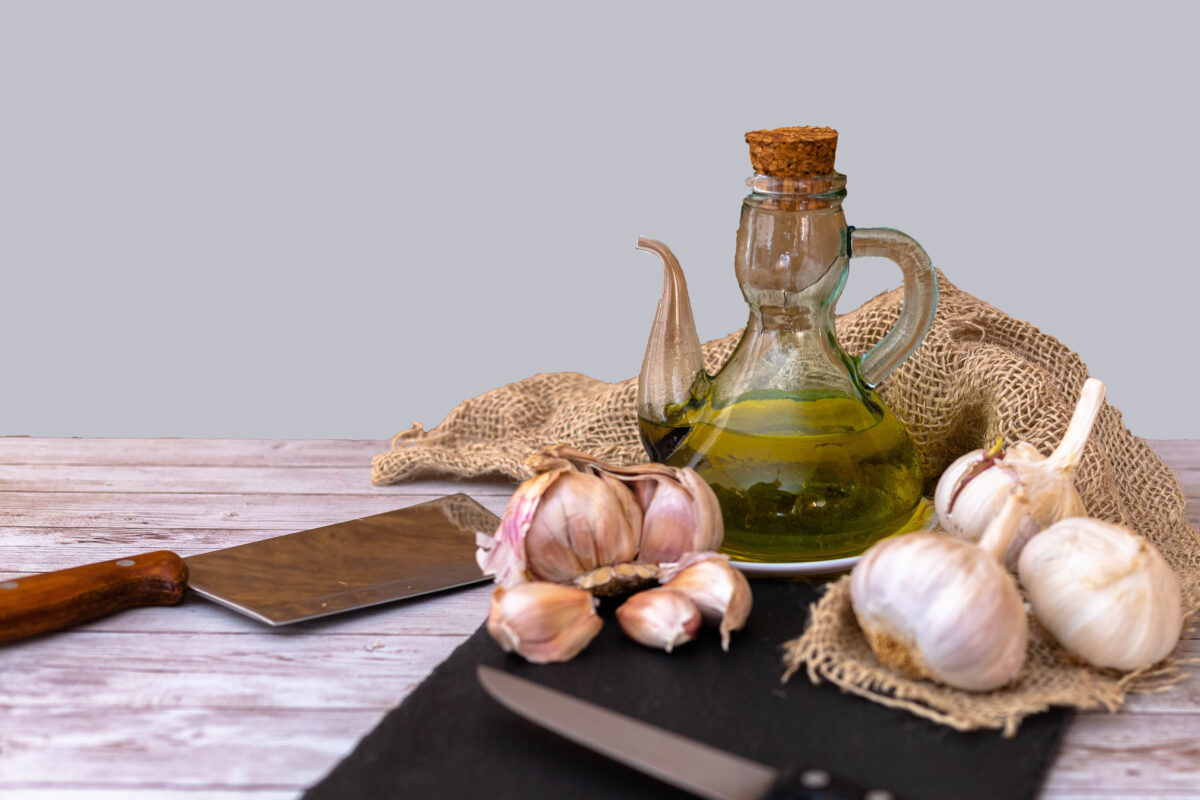
Homemade garlic-infused olive oil sounds harmless and delicious, but it can present a serious botulism risk.
Fresh garlic and herbs are low-acid foods. When submerged in oil, they are placed in a low-oxygen environment where botulism toxin can potentially form if the product is not properly acidified or refrigerated.
Worse, contamination may not create a bad smell, strange taste, or obvious visual warning.
Dry spice blends, dried garlic, and herb seasoning mixes are much simpler cottage food alternatives.
Related: How to Dry Fresh Herbs at Home (Step-by-Step Guide)
Refrigerated Meals and Ready-to-Eat Dishes
Lasagna. Rice bowls. Chili. Potato salad. Hummus. Sandwiches. Curries. Meal prep containers.
They may be perfectly normal foods to make at home, but selling them is another matter.
Prepared meals often require regulated cooling, refrigeration, hot holding, transportation, and reheating procedures. They may also contain several temperature-sensitive ingredients at once.
In many states, selling this kind of food means operating more like a restaurant, caterer, or licensed food establishment than a cottage food business.
The Easiest Rule of Thumb
When evaluating a product, ask one simple question:
Can this food safely sit at room temperature without refrigeration or hot holding?
If the answer is yes, it has a much better chance of fitting within ordinary cottage food rules.
If the answer is no, you may need additional licensing, a commercial kitchen, product testing, or a special state program.
And always check the rules where you actually operate. Cottage food laws are state-specific, and local zoning, labeling, permit, sales channel, and health requirements can matter too.
So before building your menu around cheesecake, salsa, jerky, or garlic oil, verify first.
It is much easier to change the menu before you have 200 labels printed.