12 Useless Things We Keep Buying and Hardly Ever Use
Shopping is supposed to make life easier, but for most of us, it does the opposite. We are drawn to gadgets, planners, subscription services, and home accessories that promise convenience, efficiency, or a little bit of self-improvement. The thrill of unboxing, the feeling of “I’ve got this,” and the rush of a new purchase can mask reality. Soon enough, these items sit in drawers, closets, or cabinets, forgotten and unused. Our homes fill with objects that promised transformation but delivered disappointment, and our wallets feel lighter for no real reason. This list highlights the most common items that seduce us at checkout but let us down in everyday life.
From home gyms to beauty gadgets, subscription services, and seasonal decor, these purchases seem practical, exciting, or life-changing, but the truth is, they rarely earn their keep. Understanding why these items fail and how to avoid them can help us save money, reclaim space, and make smarter decisions about what we truly need in our daily lives. Here’s a detailed look at 12 of the most useless things we keep bringing home.
Subscriptions You Forget to Cancel

Free trials and streaming add-ons are easy to justify at checkout. They arrive with a promise: one month free, try it risk-free, enhance your lifestyle immediately. The trap is that many of us forget to cancel, and a small, seemingly insignificant charge quietly starts recurring on our statements. By the time we notice, months of fees have passed, often exceeding the service’s original value.
The solution is to regularly track all subscriptions. Checking bank statements monthly, auditing app store accounts, and asking whether each service truly adds value can prevent wasted money. Subscriptions should simplify life, not slowly sabotage it. Being proactive turns passive spending into conscious, intentional use.
Home Gym Equipment That Becomes a Clothes Rack
We buy treadmills, rowing machines, and ellipticals, imagining a lifestyle of early morning workouts, sweat-drenched routines, and rapid transformation. We see ourselves crushing goals, recording progress, and finally becoming the disciplined person we aspire to be. Reality is rarely this glamorous. Many of these machines end up serving as impromptu clothes racks, with laundry piled over the handlebars, yoga mats draped over them, or boxes stacked on top.
The issue is that equipment alone cannot create a habit. Without space, time, and a realistic plan, home gym machines become expensive clutter. Smaller alternatives like resistance bands, bodyweight exercises, or consistent walking routines provide similar benefits without taking up a lot of space. Testing commitment with low-cost options first ensures the purchase will actually be used rather than simply admired.
Juicers That Complicate Healthy Living
Juicers are marketed as shortcuts to wellness, promising glowing skin, energy, and nutrient-packed mornings. But preparing fruits and vegetables, cleaning the appliance, and managing pulp often make juicing a chore. Many people start enthusiastically and abandon the habit after a few uses, leaving an expensive machine to occupy counter space.
Smoothies, whole fruits, or occasional fresh-juice purchases often offer more practical and sustainable benefits. True health habits come from consistency, not gadgets. Before investing in a juicer, testing simpler routines can reveal whether the appliance is genuinely useful or merely a symbol of aspiration.
Single-Use Kitchen Gadgets
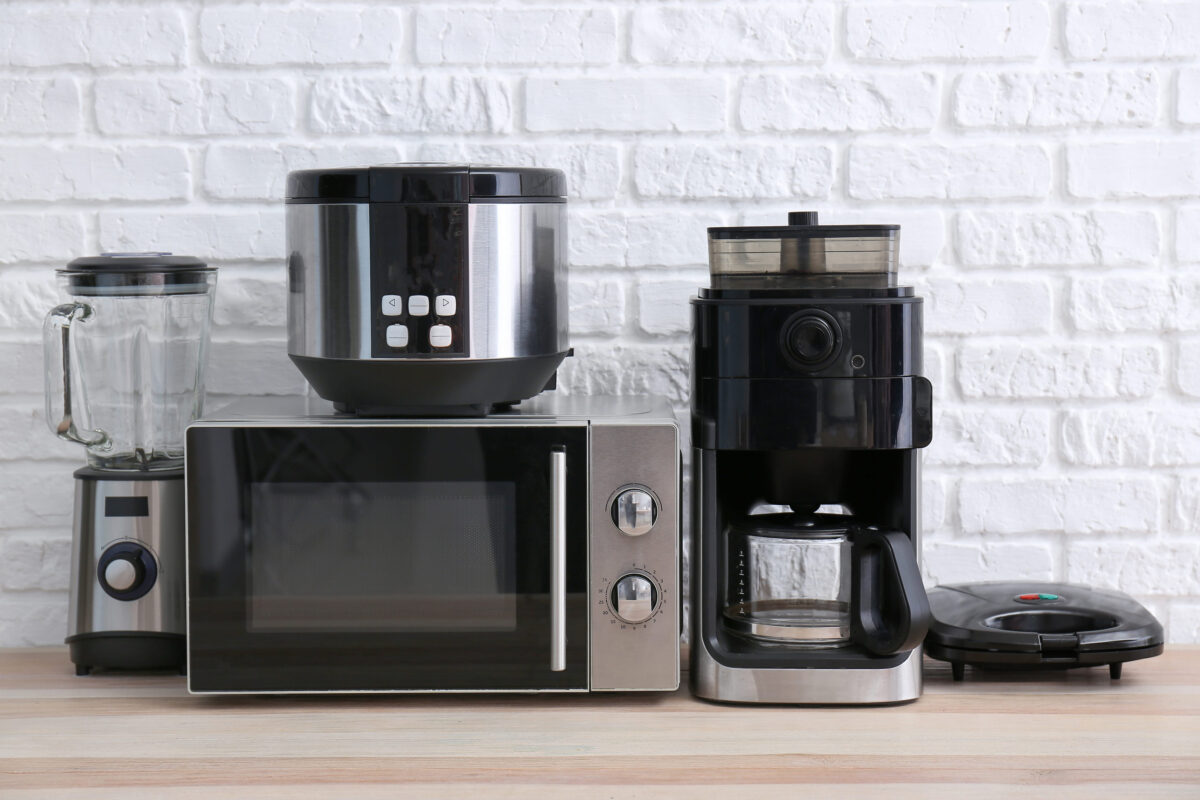
Banana slicers, avocado tools, egg separators, hot dog toasters, and mini waffle irons promise convenience, but most end up abandoned in drawers. These tools often solve a problem already handled by a simple utensil, making their purpose more novelty than necessity. We get caught in the idea that a specialized gadget will make life easier, only to find it adds clutter instead.
The best kitchen tools are versatile and used frequently. One high-quality knife, a sturdy cutting board, a blender, and a skillet can cover far more daily meals than a collection of single-use items. Before buying another gadget, we should ask if it truly solves a problem we face multiple times a week. Otherwise, it’s just more clutter.
Expensive Planners That Never Get Used
A beautifully designed planner can give the illusion of organization and control. The thick pages, elegant cover, and monthly tabs look professional and motivating. Yet many of us abandon planners after a few pages or after missing a few weeks, leaving them untouched and collecting dust. The problem is that planners cannot create discipline; they simply reflect habits we may not yet have developed.
Consistency matters more than aesthetics. Simple tools like a digital calendar, sticky notes, or a plain notebook can provide better results if they fit daily habits. The planner should support our routines, not pretend to create them. Spending on elaborate designs without established habits often leads to guilt and wasted money.
Hobby Kits Bought Too Soon
Hobby kits promise creativity, skill-building, and a sense of accomplishment. Painting sets, candle-making kits, crochet bundles, pottery tools, and even beginner’s musical instruments are marketed as gateways to fulfilling pastimes. Yet, without genuine interest and persistence, these items often sit unused, abandoned after the initial excitement fades.
The best approach is to test interest before investing heavily. Take a class, borrow supplies, or start with a small starter kit. If the hobby survives the first weeks of awkward practice and frustration, consider expanding only then. Early purchases often reflect desire more than practical commitment, and skipping that step prevents unnecessary clutter.
Camera Gear That Collects Dust
High-end cameras, lenses, tripods, and accessories seem like the path to professional-quality photography. We dream of travel photos, social media content, and family memories captured flawlessly. The reality is that most people already own phones capable of excellent photos, and the extra gear adds friction instead of convenience.
Camera gear is useful only when it is consistently used. Phones often outperform expectations for casual photography, and expensive equipment rarely sparks a habit where none exists. Testing photography routines first ensures any purchase enhances life rather than sitting unused.
Pet Accessories for Owner Satisfaction

We love buying pet items: costumes, decorative beds, novelty toys, and themed collars. While appealing to owners, pets often ignore or reject these purchases. Essentials like durable leashes, chew toys, and comfortable bedding provide true value.
Before splurging on novelty items, consider whether the pet will benefit from them or simply tolerate them. Purchases should prioritize pet comfort and usability, not Instagram appeal.
Meal Kits That Don’t Fit Weeknight Life
Meal kits promise convenience, fresh ingredients, and exciting recipes. They appeal to busy professionals and families looking for quick, healthy options. But for many, the prep time, washing up, and complex instructions make these kits impractical on a real weeknight. The result is food waste, frustration, and a return to takeout.
Meal kits work best as supplements, not replacements, for daily cooking routines. Simple grocery staples and easy-to-cook recipes often provide the consistency and flexibility we need without the added stress. Buying a kit without testing your actual schedule sets it up for failure.
Fast Fashion Bargains That Clutter Closets
Cheap clothing appeals for its price and trendiness, but the low cost often masks problems: poor fit, low-quality materials, and items that go unworn. Closets become crowded, and many items are abandoned despite initial excitement.
A smaller wardrobe of versatile, high-quality pieces delivers more value, better fits, and longer-lasting wear. Choosing quality over quantity protects finances, simplifies decision-making, and reduces clutter. Fast fashion rarely earns its keep beyond a fleeting trend.
Smart Home Gadgets That Complicate Life
Smart lights, thermostats, plugs, cameras, and speakers promise automation and efficiency. Yet, they often introduce more steps: updates, passwords, app dependencies, and troubleshooting. Tasks that were simple suddenly become complicated, defeating the purpose of convenience.
Smart home devices should save time, not create new barriers. Before buying, consider whether existing solutions already solve the problem. Convenience must survive beyond setup; if it adds friction, it becomes another cluttered shelf item.
Seasonal Decor That Spends Most of the Year in Boxes

Holiday decorations, themed pillows, novelty signs, and inflatable yard displays offer temporary excitement but often become long-term storage problems. Multiple seasons’ worth of decor fills closets, garages, and basements.
Select versatile, meaningful pieces that can be reused year after year without overwhelming storage. Seasonal decor should enhance the home, not add clutter that is forgotten until the next season.
Conclusion
Useless purchases often fail not because the item has no value, but because it does not align with real habits, time, space, or lifestyle. Impulse buying is driven by desire, emotion, and the fantasy of an improved self. Delaying purchases, testing new habits first, adopting a cost-per-use mindset, and focusing on versatile, consistently useful items reduce waste and clutter.
Mindful shopping transforms impulse into intentional buying. Each purchase should earn its place through consistent use, practicality, and tangible benefit. Avoiding the traps on this list allows us to own items that genuinely improve daily life, protect finances, and keep our spaces functional and enjoyable.