Studies Show the iPhone May Be Quietly Helping Drop America’s Birth Rate.
America keeps asking why fewer babies are being born, but the answer may be sitting in plain sight, glowing beside the bed at midnight. For years, we blamed the usual suspects: high rent, expensive child care, student debt, delayed marriage, and economic fear.
Now, a new study is adding a more unsettling possibility. The smartphone may not be just a distraction. It may be changing how Americans date, socialize, have sex, and build families. The argument is not that the iPhone works like birth control. The argument is sharper than that. If a device changes how often people meet, flirt, go out, connect, and form relationships, it can also change how many children are born.
Here are some ways the iPhone may be quietly helping drop America’s birth rate.
The iPhone Arrived Just as Births Started Falling.
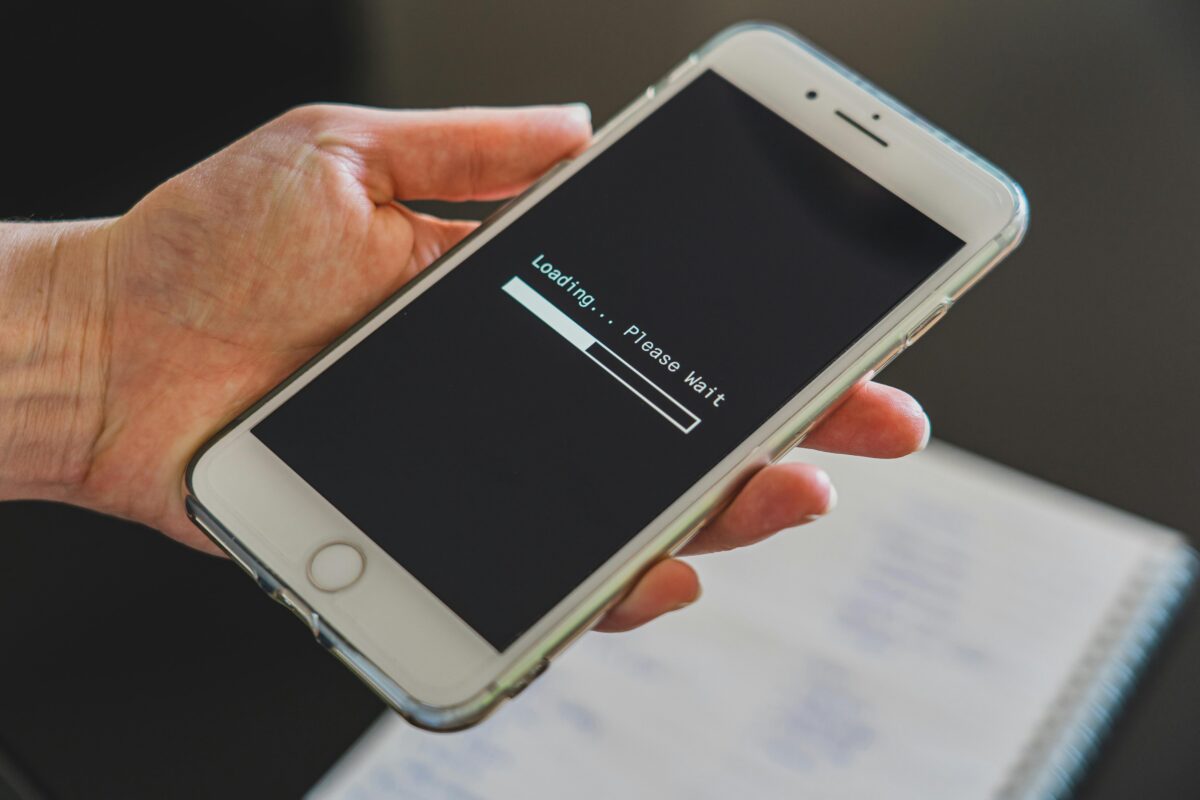
The timing is hard to ignore. The iPhone launched in 2007, the same year America’s fertility decline began to deepen. The economy crashed soon after, so researchers initially attributed it to the Great Recession.
That made sense at first. When jobs vanish and money gets tight, people delay children. But the strange part came later. The economy recovered, yet births did not bounce back the way many experts expected.
According to CDC and NCHS provisional data, the U.S. general fertility rate fell to 53.1 births per 1,000 women ages 15 to 44 in 2025. That marks a 23% drop since 2007, turning a temporary recession story into a much bigger social mystery.
The New Study Points to Early iPhone Access
A National Bureau of Economic Research working paper looked at the early iPhone rollout and found a striking pattern. Places with earlier access to the iPhone saw faster declines in births than places where the device arrived later.
That mattered because AT&T had exclusive U.S. iPhone distribution during the first years after launch. Researchers used that uneven rollout to compare areas with stronger early access to areas with weaker access.
The study found that access to iPhones reduced births by 4.5% to 8% among women ages 15 to 19 and by 3.2% to 6.6% among women ages 20 to 24. The effect was strongest among younger women, but the pattern did not stop there.
This Is Not Just About Teen Pregnancy
A drop in teen births can be good news. Fewer teenagers becoming parents can mean more education, more planning, better contraception, and fewer young people being pushed into adulthood before they are ready.
But the study’s bigger warning is that birth declines also appeared among adults. That raises a different question. Are Americans freely choosing fewer children, or are fewer people reaching the point where family life feels possible?
That difference matters. One story is about control and opportunity. The other is about loneliness, social retreat, and a generation losing the ordinary pathways that used to lead to love, sex, marriage, and children.
Phones May Be Replacing the Places Where Love Begins

Babies do not start with spreadsheets. They often start with repeated exposure, messy attraction, awkward conversations, friend groups, parties, work connections, neighborhood routines, and the simple act of being around other people.
Smartphones changed that rhythm. A bored person no longer has to leave the house. A lonely person can scroll for hours and feel occupied without being known. A nervous person can avoid a date and still feel busy. That is the hidden fertility angle. The phone does not need to stop people from wanting children. It only needs to reduce the number of real-life moments where relationships begin.
Young People Are Online Constantly, and the Data Shows It
The CDC’s 2023 Youth Risk Behavior Survey found that 77% of U.S. high school students used social media several times a day. That means constant digital life is not a side habit for many teens. It is the background noise of growing up. The same CDC data also found that 40% of high school students reported persistent feelings of sadness or hopelessness. That number should make the fertility debate feel less abstract.
A teenager shaped by heavy screen life, social comparison, anxiety, and isolation does not suddenly become a confident adult ready for deep relationships. The phone follows them into dating, work, sleep, friendships, and eventually family decisions.
Dating Apps Did Not Fix the Loneliness Problem
In theory, dating apps should have made relationships easier. More people became reachable. More matches became possible. More options appeared with a swipe.
In real life, endless options can create exhaustion. People browse instead of choosing. They compare instead of committing. They message without meeting. They meet without trusting. The phone turns romance into a marketplace where everyone feels replaceable.
That matters for fertility because stable relationships still play a major role in family formation. If dating becomes colder, more anxious, and more disposable, fewer people may move from attraction to commitment.
Marriage Is Happening Later Too
The fertility decline is also tied to delayed marriage. Census-linked data show Americans are marrying later than previous generations, with first marriages now commonly occurring in the late 20s and early 30s. That does not mean marriage is the only path to children. Many families are built outside marriage. But later partnership still affects fertility because it shortens the window for people who want multiple children. The delay is not just cultural. It is financial, emotional, and practical. People want stability before starting a family, but many feel stability keeps moving further away.
Child Care Costs Are Still Crushing Family Plans

The smartphone theory should not erase the money problem. Even couples who meet, fall in love, and want children can hit a wall when they start pricing out family life. Federal Reserve data from 2024 found that parents using paid child care paid a median of $240 per week, or about $960 per month. For parents using paid care for 20 or more hours weekly, the median monthly cost was $1,400.
That is not a small inconvenience. For many families, child care competes with rent, groceries, transportation, medical bills, and debt. The phone may affect the connection, but rising taxes and cost of living still affect the decision.
Doomscrolling Makes the Future Feel Too Dangerous
There is another piece that does not fit neatly into a budget. Doomscrolling can make the future feel terrifying. Every night, people absorb headlines about inflation, war, layoffs, climate disasters, political chaos, crime, and housing panic.
Even when people are financially stable, constant exposure to crisis can make parenthood feel reckless. The question becomes less “Can we afford a baby?” and more “Should anyone bring a child into this?” That emotional climate matters. Fertility is not only about money. It is also about hope. When a society spends hours a day staring into a feed of fear, hope becomes harder to protect.
Porn, Private Entertainment, and Less Real-World Intimacy
The NBER paper also points to changes in sexual behavior, including less frequent sex and more private digital consumption. This is where the conversation gets uncomfortable, but it cannot be avoided. The modern phone gives people instant access to entertainment, fantasy, attention, and stimulation without requiring another person. That can quietly reduce the urgency to socialize, date, compromise, or pursue intimacy in real life.
This does not affect everyone the same way. But at the population scale, even small behavior changes can become major demographic shifts. A little less dating, a little less sex, and a little more solitude can eventually show up in the birth numbers.
The Fertility Crisis Is Really a Connection Crisis
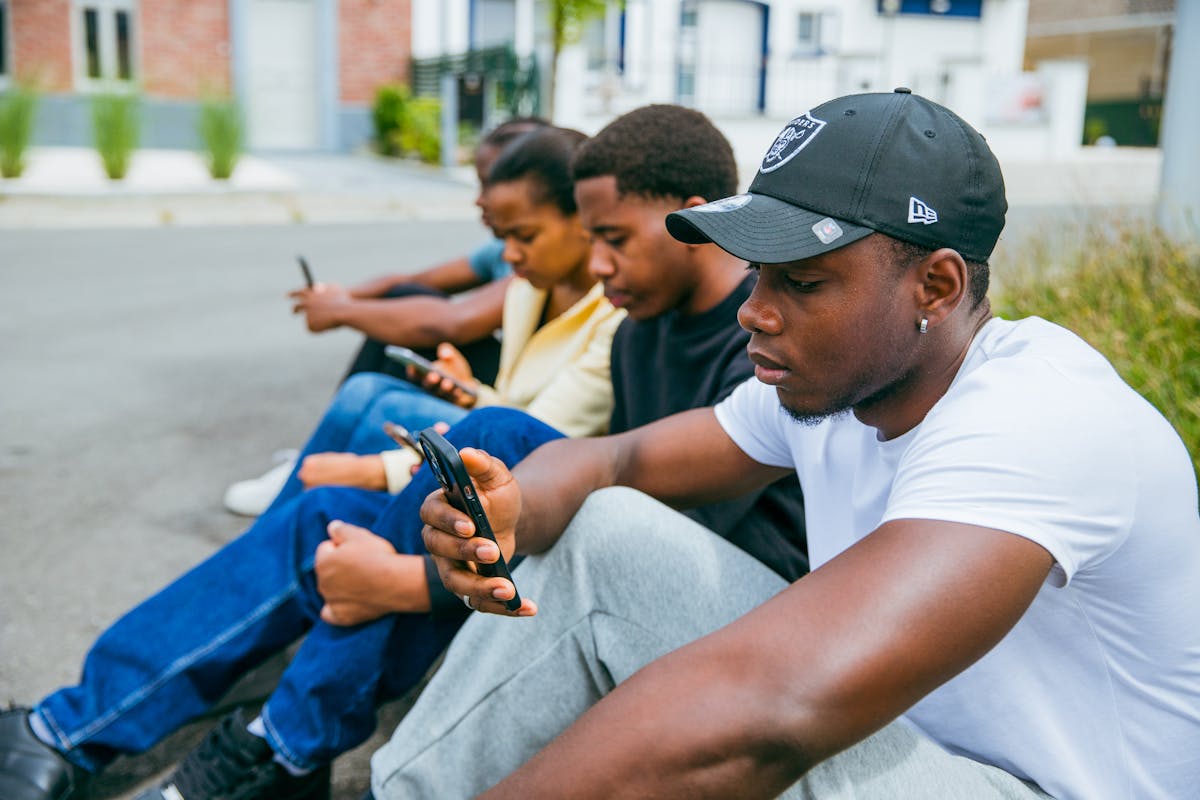
America’s birth-rate debate often sounds like a math problem. We count births, calculate rates, compare age groups, and argue about tax credits. But underneath the numbers is a human problem. People are more connected than ever by device, yet many are less connected in the ways that matter. They can talk all day without being touched. They can be seen online without being known. They can consume endless content while their real social world gets smaller. That may be the most important part of the iPhone study. It suggests that fertility is not only falling because life is expensive. It may also be falling because modern life has become lonelier.