5 Signs an Avocado Has Gone Bad
Avocados have become a popular kitchen staple worldwide, thanks to their creamy texture, rich flavor, and reputation as a nutrient-packed food. From breakfast toast and salads to smoothies and dips, people use avocados in countless recipes. However, like all fresh produce, avocados do not last forever.
Because avocados naturally change as they ripen, it can sometimes be difficult to tell the difference between a perfectly ripe fruit and one that has spoiled. While a soft avocado may be ready to eat, certain changes in appearance, smell, texture, and taste can indicate that the fruit has gone bad.
Food safety experts encourage consumers to watch for warning signs before eating an avocado that may have spoiled. Consuming spoiled produce may lead to an unpleasant experience and, in some cases, foodborne illness.
Here are five important signs that an avocado has gone bad.
The Avocado Has an Unpleasant or Sour Smell
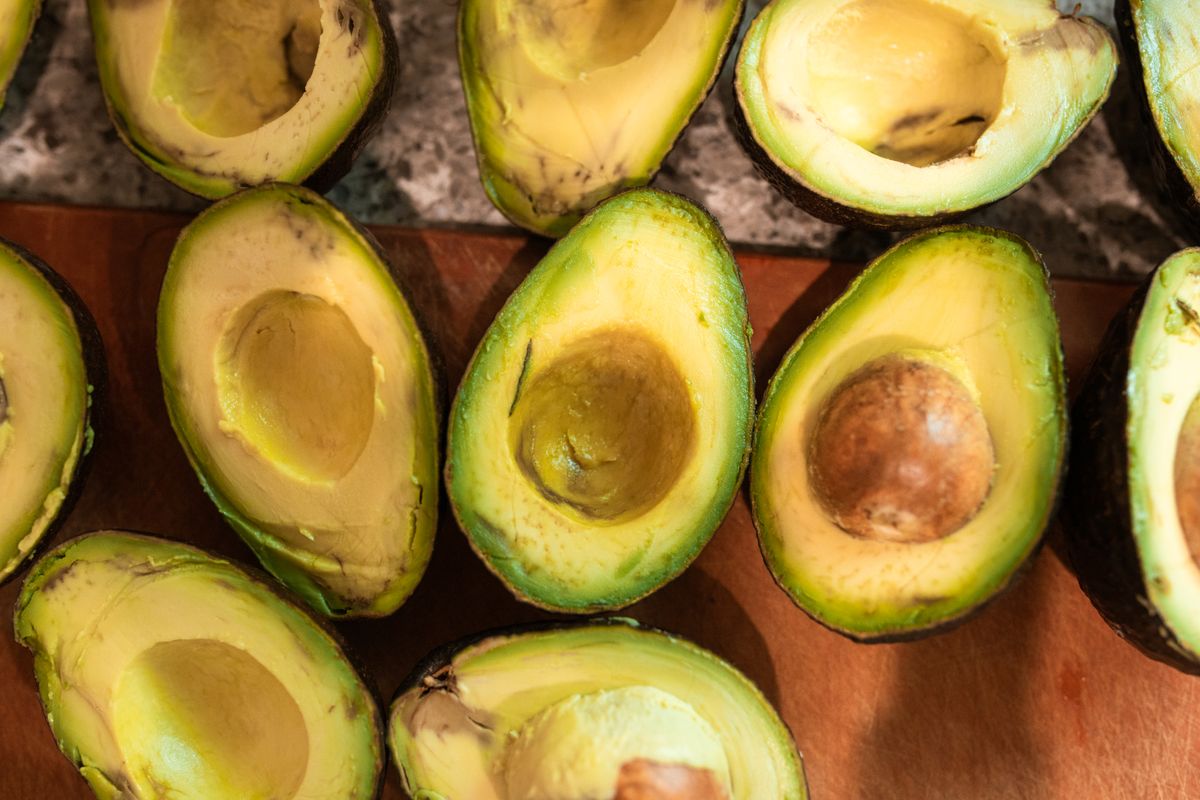
One of the easiest ways to tell whether an avocado is spoiled is to check its smell.
A fresh, ripe avocado usually has a mild, slightly nutty, or earthy aroma. However, when an avocado begins to break down, it may develop a strong, sour, fermented, or chemical-like smell.
This unpleasant odor occurs because the fruit’s natural fats and oils begin to degrade as it ages. Microorganisms can also multiply inside the fruit, causing smell changes that signal spoilage.
If you cut open an avocado and notice an odor like rotten food, alcohol, or fermentation, throw it away rather than trying to remove the affected area.
A bad smell is often one of the clearest signs that an avocado is no longer safe to eat.
The Flesh Has Extensive Brown or Black Discoloration
A small amount of browning inside an avocado does not always mean the fruit is spoiled. Avocado flesh naturally turns brown when exposed to oxygen, a process known as oxidation. This commonly happens after cutting the fruit or when a ripe avocado sits for a while.
However, large areas of dark brown, black, or gray discoloration may signal spoilage.
A healthy avocado typically has bright green or yellow-green flesh. If the inside contains widespread dark patches, streaks, or areas that appear rotten, the fruit may have deteriorated.
Consumers should also watch for unusual color changes accompanied by a bad smell or slimy texture. Together, these signs are stronger evidence that the avocado has spoiled.
While it may be tempting to cut away brown sections, experts advise caution. If the discoloration appears throughout much of the fruit or is linked to spoilage signs, it is safer to discard it.
The Texture Is Extremely Soft, Mushy, or Slimy
Texture is another major clue when checking an avocado’s freshness.
A ripe avocado should feel slightly soft when gently pressed, but it should still have some firmness. When an avocado becomes overly soft, collapses easily, or feels watery and mushy, it may be past its prime.
Spoiled avocados often have flesh that appears stringy, slimy, or separated. Instead of the smooth, creamy texture expected from a fresh avocado, the inside may feel unpleasant or look like it is breaking down.
Sometimes an avocado may become soft because it has been stored too long after reaching peak ripeness. While an overripe avocado may still be usable in some recipes, such as smoothies or baked dishes, a slimy texture combined with odor changes signals spoilage.
When handling an avocado, consumers should consider both firmness and appearance rather than relying on softness alone.
Mold Appears on the Skin or Inside the Fruit
Visible mold clearly indicates that an avocado should not be eaten.
Mold may appear as fuzzy white, gray, green, or black spots on the skin or around damaged areas. In some cases, mold can grow beneath the skin and become visible after cutting the avocado open.
Some people may try to remove a small moldy section and eat the rest, but this is not recommended for soft fruits like avocados. Because avocados have a soft, moist interior, mold can spread beyond the visible area.
Eating moldy food may cause allergic reactions, digestive problems, or exposure to harmful substances produced by certain molds.
If an avocado shows signs of mold, the safest choice is to discard the entire fruit.
The Taste Is Bitter, Strange, or Unusual
Taste can also reveal whether an avocado has spoiled, although experts generally recommend checking smell and appearance first.
A fresh avocado has a mild, buttery flavor. As the fruit begins to deteriorate, it may develop a bitter, sour, or unusual taste that differs noticeably from normal.
A strange flavor may indicate that the avocado’s fats have started to become rancid. Since avocados contain high levels of natural oils, they can develop unpleasant flavors as they age.
If a small bite tastes bitter, sour, or “off,” it is better not to continue eating it.
Taste shouldn’t be the first test because even a small amount of spoiled food may not be worth the risk.
How Long Does an Avocado Last?
An avocado’s shelf life depends on how ripe it is and how you store it.
A whole, unripe avocado can usually remain fresh for several days at room temperature while it ripens. Once it ripens, putting it in the refrigerator can slow the process and extend its freshness.
A cut avocado, however, spoils much faster. Exposure to air causes oxidation, leading to browning and a loss of quality. Storing cut avocado in an airtight container or wrapping it tightly can help slow these changes.
Adding lemon or lime juice may also reduce browning because the acidity slows oxidation, although it does not prevent spoilage.
Always check cut avocados before eating, especially if they have been stored for several days.
How to Choose a Fresh Avocado at the Store
Choosing a good avocado begins before you bring it home.
A ripe avocado should feel slightly soft when gently pressed, but not overly squishy. The skin should generally be free from large dents, cracks, or mold.
Many shoppers also check the small stem or cap at the top of the avocado. If it comes off easily and the area underneath looks green, the fruit may be ripe. A brown or dark area underneath may indicate internal browning, although this method is not always a perfect indicator.
Buying avocados at different stages of ripeness can also help prevent waste. Some can be eaten immediately, while firmer ones can be saved for later.
Know When to Throw It Away
Avocados are nutritious and versatile, but they require careful handling because they can spoil quickly once they ripen. Recognizing the warning signs of spoilage can help protect your health and keep meals from turning unpleasant.
A bad smell, heavy dark discoloration, a slimy texture, mold growth, and an unusual taste are among the most common signs that an avocado has gone bad.
While a slightly overripe avocado may still work in certain recipes, discard fruits that show clear signs of spoilage. When in doubt, it is safer to choose a fresh avocado than to risk eating one past its prime.