7 American Foods You Might Never Have Tried
American cooking is about much more than hamburgers, hot dogs, and apple pie. Beyond the familiar diner menus lies a collection of regional specialties that can make even lifelong Americans feel like tourists in their own country.
Some dishes have been passed down through generations, while others began in restaurants or emerged from difficult chapters in American history. Their names, ingredients, and preparation methods are often as interesting as their flavors.
Here are seven distinctive American foods that are worth discovering.
Pawpaw
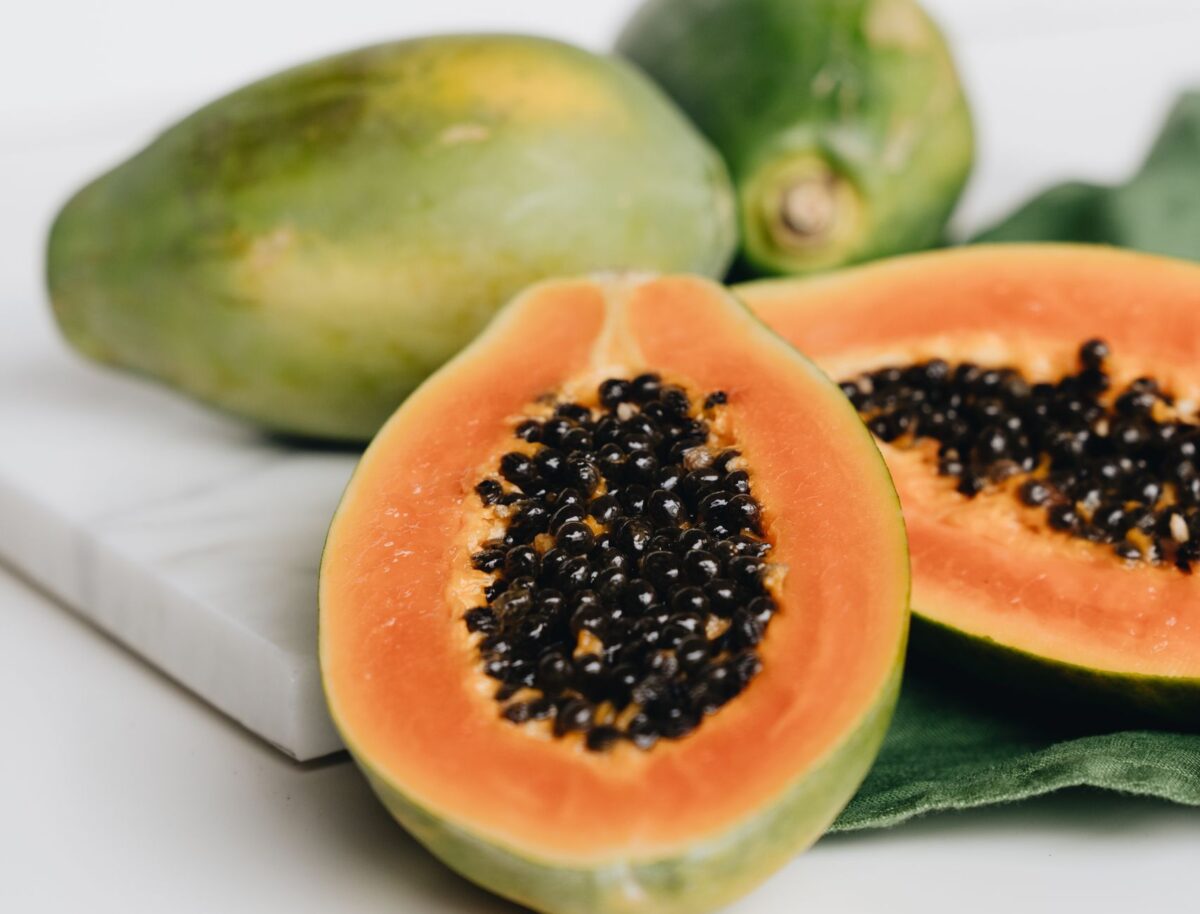
A fruit that tastes like a mixture of banana, mango, and pineapple might sound like something imported from a tropical island. However, the pawpaw is native to the eastern United States and has been enjoyed by Indigenous Americans since before European settlement.
Beneath its green skin lies soft, yellowish flesh with a custard-like texture and several large seeds. The pulp can even replace bananas in certain recipes.
According to Kentucky State University, ripe pawpaws generally last only three to five days at room temperature. That short shelf life helps explain why they rarely appear alongside apples and oranges at supermarkets. Finding one can feel like discovering a little piece of America’s overlooked agricultural heritage.
Boiled Peanuts
Anyone accustomed to crunchy roasted peanuts might need a moment to adjust to this Southern favorite. Boiled peanuts are prepared by cooking raw peanuts in salty water until the kernels become soft and tender.
Instead of cracking open a dry shell, you peel apart a damp one to reach the flavorful peanuts inside. South Carolina officially designated boiled peanuts as its state snack in 2006.
Their history also reflects African culinary traditions and the contributions of enslaved African Americans, according to Charleston City Paper. Roadside stands help keep this regional tradition alive. What might seem like an unusual snack to visitors is a familiar treat for many Southern families.
Burgoo
Kentucky’s burgoo is the kind of stew that makes more sense with plenty of people around the dinner table. Thick, hearty, and slowly cooked, it traditionally combines several meats with vegetables such as potatoes, tomatoes, corn, and lima beans.
Modern versions often feature beef, chicken, and pork, although older recipes sometimes included wild game. While its exact origins remain disputed, burgoo has become closely associated with Kentucky festivals, church gatherings, political rallies, and Derby celebrations.
According to Simply Recipes, the dish brings together ingredients in a richly flavored stew. Its communal cooking tradition makes it interesting: burgoo is as much about bringing people together as it is about feeding them.
Frybread
Golden and puffy, frybread can be enjoyed with honey, sprinkled with sugar, or topped with savory ingredients to create a Navajo taco. Behind this seemingly simple dish lies a painful chapter in American history.
Navajo frybread is associated with the forced relocation of Diné people to Bosque Redondo in New Mexico beginning in 1864. Separated from their customary food sources, families made bread using government-issued ingredients, including flour and lard.
As the Navajo Times explains, frybread became connected to Diné culture and later spread to other Native communities. Today, it appears at powwows and gatherings, carrying a history that deserves recognition beyond its familiar golden appearance.
Garbage Plate
Despite its unfortunate name, Rochester’s Garbage Plate combines familiar favorites. Home fries and macaroni salad form the base, followed by cheeseburgers or hot dogs, meat-based hot sauce, mustard, and chopped onions.
The dish developed at Nick Tahou Hots in Rochester, New York, where an earlier version was called hots and potatoes. The restaurant traces its history to 1918.
According to Visit Rochester, the original Garbage Plate name is trademarked, although local restaurants serve variations under different names. It is a memorable example of how a single restaurant creation can become part of an entire city’s identity.
Hot Brown
Louisville’s Hot Brown is technically a sandwich, but you will probably appreciate having a knife and fork nearby. Toast supports thick slices of turkey covered with creamy Mornay sauce, tomatoes, and bacon.
The arrangement goes under a broiler until the cheese sauce becomes golden and bubbly. Chef Fred Schmidt created the dish at Louisville’s Brown Hotel in 1926 for guests attending late-night dances, according to The New York Times.
Instead of disappearing from the menu when those parties ended, the sandwich became a Louisville specialty. It remains a compelling example of how restaurant creativity can become a lasting regional culinary tradition.
Livermush
Livermush may not have the most inviting name, but western North Carolina has a particular fondness for this traditional breakfast food.
Made with pork liver, other pork meat, cornmeal, and seasonings, livermush sets into a block that can be sliced and fried until the outside becomes crisp.
According to Our State, its history traces back to German settlers and their pork-preparation traditions. Today, local producers, breakfast restaurants, and festivals help maintain its regional identity.
Served inside a biscuit or alongside breakfast favorites, livermush demonstrates how something unfamiliar to outsiders can remain an everyday comfort food for generations of residents.
Key Takeaways
American cuisine includes regional specialties shaped by migration, local ingredients, and community traditions. Foods such as frybread and boiled peanuts carry important cultural histories beyond their distinctive flavors.
Restaurant creations like the Hot Brown and Garbage Plate demonstrate how local dishes become regional icons. Exploring unfamiliar American foods can reveal stories about the country’s diverse culinary heritage.