7 Harsh Realities About Lincoln That Challenged His Heroic Image
Abraham Lincoln is remembered as the towering figure who preserved the Union, abolished slavery, and delivered speeches that still echo today. But behind the iconic top hat and solemn gaze lies a far more complicated story. The truth about Lincoln is messy, human, and sometimes uncomfortable, far beyond the heroic legend taught in classrooms.
We’ve uncovered seven harsh realities about Lincoln that reveal his contradictions, struggles, and controversial decisions. These facts don’t erase his achievements, but they show the man behind the myth and challenge the way history often sanitizes its heroes.
Lincoln’s Views on Race Were Complex and Sometimes Contradictory
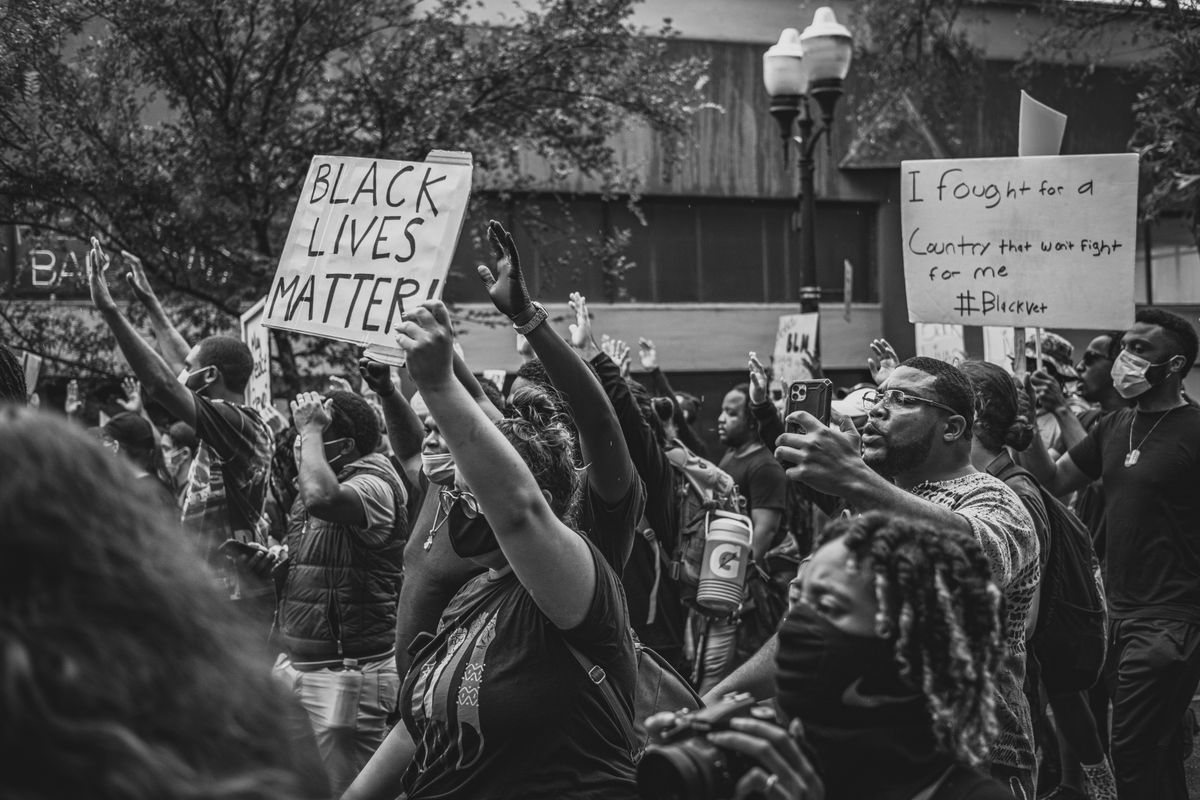
While Lincoln is celebrated for ending slavery, his early public statements reveal views that are startlingly different from modern ideals. Early in his career, he argued that freed Black Americans might need to be relocated outside the United States, reflecting a belief in separation rather than equality. He also supported laws restricting Black settlement in certain states.
These positions were consistent with the political and social pressures of his era, especially among Northern voters who opposed the expansion of slavery but were not ready to embrace full racial equality. Lincoln’s evolution on race was pragmatic, shaped by politics and morality, illustrating that even a visionary leader can harbor views that seem morally inconsistent today. Over time, he moved closer to supporting limited suffrage for African American men and endorsed the inclusion of Black soldiers in the Union army, signaling a gradual but incomplete moral progression.
The Emancipation Proclamation Didn’t Free Everyone
The 1863 Emancipation Proclamation is one of Lincoln’s most famous acts, but it had limits. It applied only to Confederate states in active rebellion and left slavery intact in loyal border states like Maryland, Kentucky, Delaware, and Missouri. In practice, the proclamation freed enslaved people only in areas where Lincoln had no immediate control.
Its impact was strategic and symbolic, designed to weaken the Confederacy, bolster the Union war effort, and encourage enslaved people to escape to Union lines. True nationwide abolition came only with the 13th Amendment in December 1865, months after Lincoln’s assassination. This nuance shows that while Lincoln is rightly praised for ending slavery, the process was gradual, politically calculated, and far more complicated than a single executive order suggests.
Lincoln Suspended Civil Liberties

The pressures of civil war pushed Lincoln to take actions that would be considered extreme in peacetime. He suspended the writ of habeas corpus in certain areas, allowing authorities to detain individuals, including political opponents, journalists, and suspected Confederate sympathizers, without trial.
These measures were justified as necessary to maintain the Union, but critics accused Lincoln of overstepping his constitutional authority. Thousands were detained, sometimes indefinitely, raising questions about the balance between national security and individual rights. Lincoln’s decisions here underscore a difficult truth: even the most celebrated leaders may compromise civil liberties in pursuit of what they believe is the greater good.
His Military Leadership Was Not Always Strong
While Lincoln is remembered as a shrewd wartime president, his military record is more nuanced. Union generals often failed to achieve victories in the early years of the Civil War, leading to public frustration and criticism. Lincoln frequently clashed with his commanders, replacing generals and micromanaging strategy to keep the army on track.
Early defeats at First Bull Run, Fredericksburg, and Chickamauga tested Lincoln’s patience and leadership. Yet, his determination, adaptability, and hands-on approach ultimately stabilized the Union’s military strategy. Lincoln’s involvement in military decision-making highlights both his tenacity and the enormous responsibility of a leader navigating unprecedented national conflict.
Political Opportunism Played a Role in His Rise
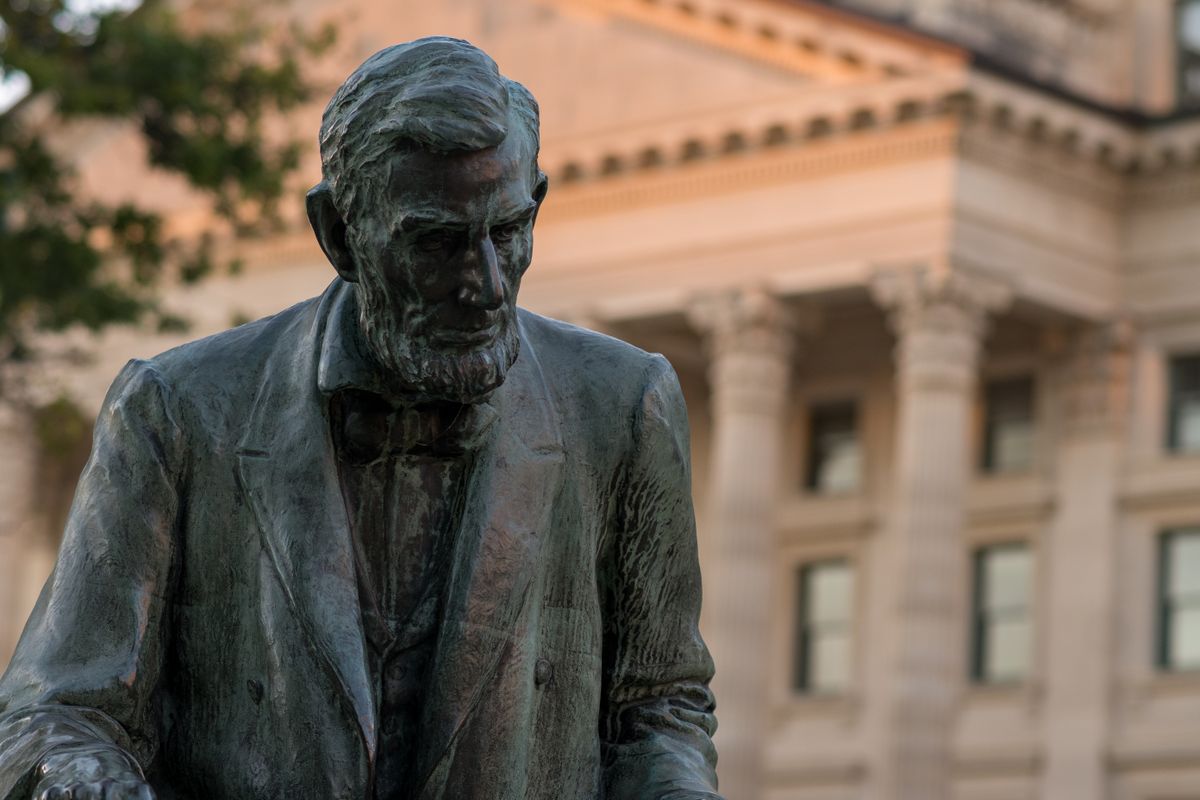
Lincoln’s rise to power was as much about politics as principle. While he opposed the expansion of slavery, he navigated the racial prejudices of Northern voters to secure support. He framed his anti-slavery stance in a way that would appeal to white voters concerned about labor competition, migration, and social hierarchy.
This pragmatic approach allowed Lincoln to win the presidency, but it also meant making compromises that seem morally inconsistent today. Political opportunism was part of his strategy, showing that even iconic figures must balance principle and practicality to achieve historical milestones. His ability to negotiate these tensions was key to his political success, but it complicates the simplistic “moral hero” narrative.
Lincoln’s Personal Life Was Marked by Tragedy and Turmoil
Lincoln’s personal life was far from idyllic. He endured the loss of two sons in childhood, and the death of 11-year-old Willie in 1862 devastated both him and Mary Todd Lincoln. Mary’s struggles with mental health and grief created additional household tension, forcing Lincoln to balance immense personal sorrow with the pressures of leading a nation at war.
Lincoln himself battled persistent depression, often described as deep and debilitating. He wrote letters and made observations revealing profound emotional strain. Despite these burdens, he maintained focus on governance, legislation, and military strategy, demonstrating remarkable resilience and self-discipline. This humanizes Lincoln, revealing that even the most legendary leaders are not immune to personal suffering.
His Legacy Has Been Politically Shaped
Lincoln’s image has been carefully constructed over generations. Historians, politicians, and cultural storytellers have emphasized his moral heroism while downplaying contradictions, political calculations, and personal struggles. His legacy has been invoked for a wide spectrum of agendas, from civil rights advocacy to reconciliation narratives after the Civil War.
Understanding the politically shaped nature of Lincoln’s legacy highlights that historical memory is never static. It is subject to interpretation, adaptation, and sometimes manipulation. The Lincoln revered today is both a real person and a symbol molded by centuries of storytelling.
The Man Behind the Myth
Abraham Lincoln was heroic, flawed, pragmatic, and visionary all at once. Recognizing the contradictions in his life and leadership does not diminish his achievements; it deepens our understanding of what it means to navigate moral, political, and personal challenges in extraordinary circumstances.
Lincoln’s story teaches that greatness is rarely straightforward, that leaders operate in gray areas, and that history often simplifies figures who, in reality, were complex and human.