7 Louisiana Foods Northerners Find Confusing
Louisiana’s food is unlike anything else in America. Shaped by French, Spanish, African, Caribbean and Native American traditions, it has flavors and customs that can surprise even experienced travelers. For people from the North, a first trip to New Orleans or Lafayette often comes with a few confused looks at the menu.
Locals grow up eating these dishes at family gatherings, church suppers and neighborhood festivals. To them, it is simply home cooking. But for visitors from Minnesota, New York or Ohio, some of these foods can be puzzling, starting with how to pronounce them.
Most Northerners who give these dishes a chance end up loving them. Still, they often need a little explanation first. Here are seven Louisiana foods that tend to confuse people from up North.
1. Boudin
Boudin is a Cajun sausage made with pork, rice, onions, peppers and seasonings stuffed into a casing. In Louisiana, it is commonly sold at gas stations and meat markets, where people buy a link and eat it right there, squeezing the filling out of the casing.
Northerners are often surprised to find rice inside a sausage, and even more surprised to see people eating it from a gas station counter. But boudin has a devoted following, and some towns have entire “boudin trails” for visitors.
2. Crawfish
Crawfish look like tiny lobsters, and in Louisiana they are a beloved food, especially during spring boils. Large pots are filled with crawfish, corn, potatoes and spices, then dumped onto newspaper-covered tables for everyone to share.
Many Northerners don’t know how to eat them. Locals twist off the tail, peel the shell and sometimes “suck the head” for the flavorful juices. That last step tends to be the most confusing for first-timers.
3. King Cake
King cake is a sweet, braided pastry decorated with purple, green and gold sugar during Carnival season. It is enjoyed from January 6 through Mardi Gras.
What confuses many visitors is the tiny plastic baby hidden inside. Whoever finds it in their slice is often expected to buy the next king cake or host the next party. It is a fun tradition, but outsiders are sometimes startled to bite into a toy.
4. Gumbo vs. Jambalaya
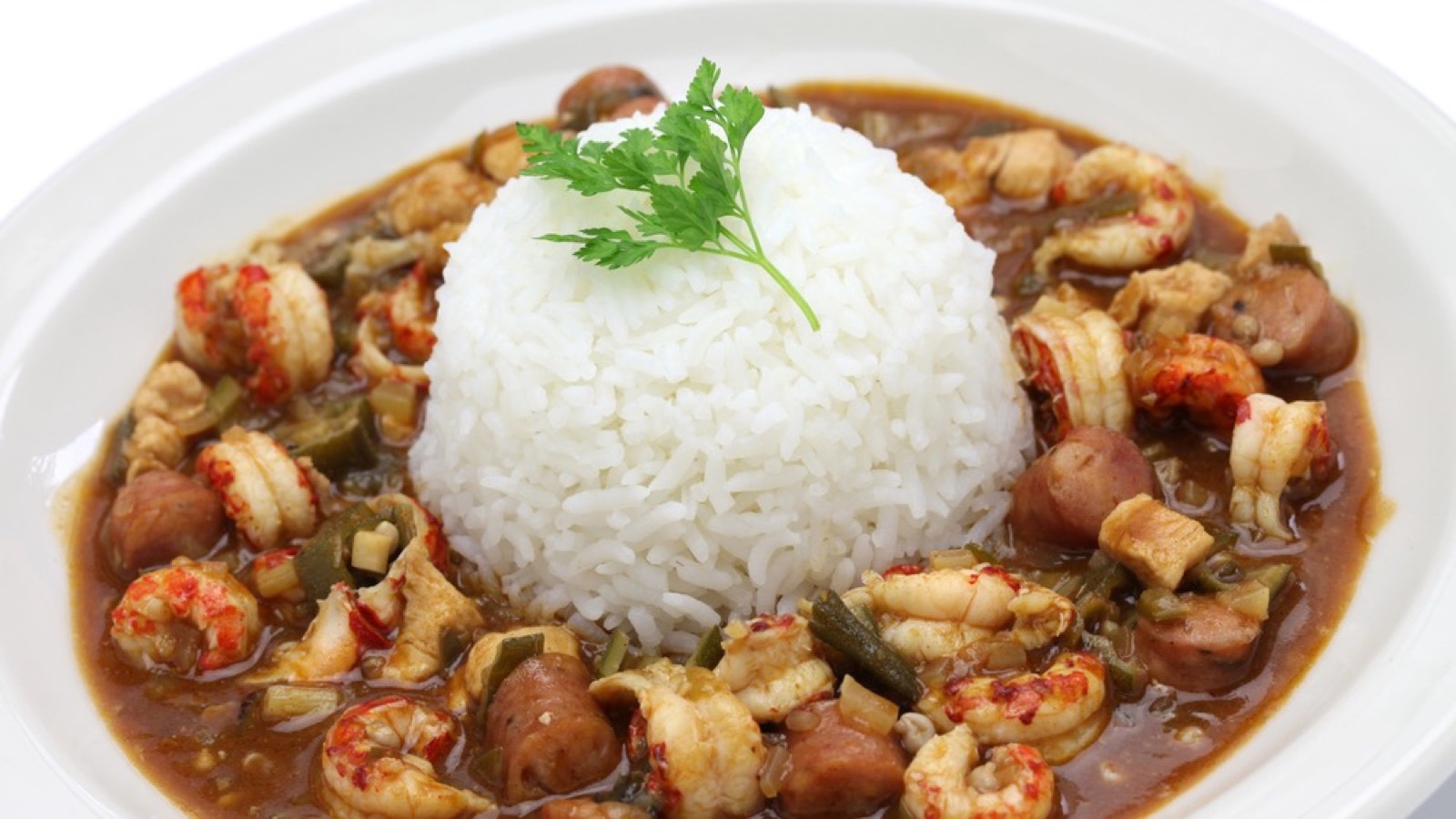
Northerners often mix up gumbo and jambalaya, which can lead to friendly corrections from locals. Gumbo is a thick stew made with a dark roux and served over rice, often with chicken, sausage or seafood. Jambalaya is a rice dish where the rice is cooked together with the meat, vegetables and seasonings.
Both are staples of Louisiana cooking, and many families have strong opinions about how they should be made. Some even debate whether tomatoes belong in gumbo at all.
5. Beignets
Beignets are square pieces of fried dough piled high with powdered sugar. They are famous at New Orleans cafes, where they are often served with café au lait.
Many visitors are confused by how messy they are. Powdered sugar ends up everywhere, on clothes, tables and faces. Locals know to avoid wearing dark colors when ordering a plate.
6. Red Beans and Rice on Mondays
In New Orleans, red beans and rice is traditionally served on Mondays. The custom dates back to the days when Monday was laundry day, and families could leave a pot of beans simmering while they worked.
Northerners are often surprised that a specific meal is tied to a specific day of the week. Many restaurants still feature it as a Monday special.
7. Turducken
Turducken is a deboned chicken stuffed inside a deboned duck, stuffed inside a deboned turkey. It is often credited to Louisiana, where Cajun butchers helped make it popular for holiday meals.
To many Northerners, the idea of three birds stuffed inside each other sounds almost unbelievable. But it has become a holiday tradition for some families, especially around Thanksgiving.
The Roots of Louisiana Cooking
Louisiana’s food reflects centuries of cultural blending. French settlers, Acadian refugees who became known as Cajuns, African traditions, Spanish rule and Caribbean trade all left their mark. The result is a cuisine full of bold spices, slow-cooked flavors and dishes meant to be shared. The “holy trinity” of onions, celery and bell peppers forms the base of many recipes, similar to the way French cooking uses onions, carrots and celery.
Cajun and Creole Are Not the Same
Another thing that confuses Northerners is the difference between Cajun and Creole food. The two are related, and many dishes overlap, but they come from different traditions. Creole cooking developed in New Orleans and often reflects city influences, including European, African and Caribbean ingredients. It is known for using tomatoes and rich sauces.
Cajun cooking comes from the Acadian people who settled in rural southwestern Louisiana after being forced out of Canada in the 1700s. It tends to be more rustic, with dishes built around what was available locally, like crawfish, game and rice. Locals can usually tell the difference right away, even if visitors can’t.
Both traditions share a love of bold seasoning and long, slow cooking. Many Louisiana families will tell you that the best version of any dish is the one their grandmother made, and they are happy to argue about it.
Confusing at First, Unforgettable Later
Many Northerners who try these foods become instant fans. Crawfish boils, beignets and gumbo often turn out to be highlights of a trip south.
Louisiana’s food may come with unusual customs and unfamiliar names, but it is built on generosity and community. And once visitors learn how to peel a crawfish or find the baby in a king cake, they often understand why locals love it so much.
Many Northern visitors also notice how much Louisiana food is tied to gatherings. Crawfish boils, gumbo pots and king cakes are meant to be shared, and locals often invite newcomers to join in, which may be the best introduction of all. A plate of beignets or a bowl of gumbo is often all it takes to win them over. That warm welcome is just as much a part of Louisiana cooking as any spice in the pot.