6 Mistakes That Can Ruin Homemade Mashed Potatoes
Mashed potatoes seem like one of the easiest side dishes to make, but small choices can change the final result. A batch can turn out gummy instead of fluffy, watery instead of creamy, uneven instead of smooth, or lacking the flavor you expected.
The good news is that most mashed potato problems come down to a few common mistakes. Paying attention to the potato, the way it is handled, and how ingredients are added can make the process much easier to control.
Using the Wrong Type of Potato
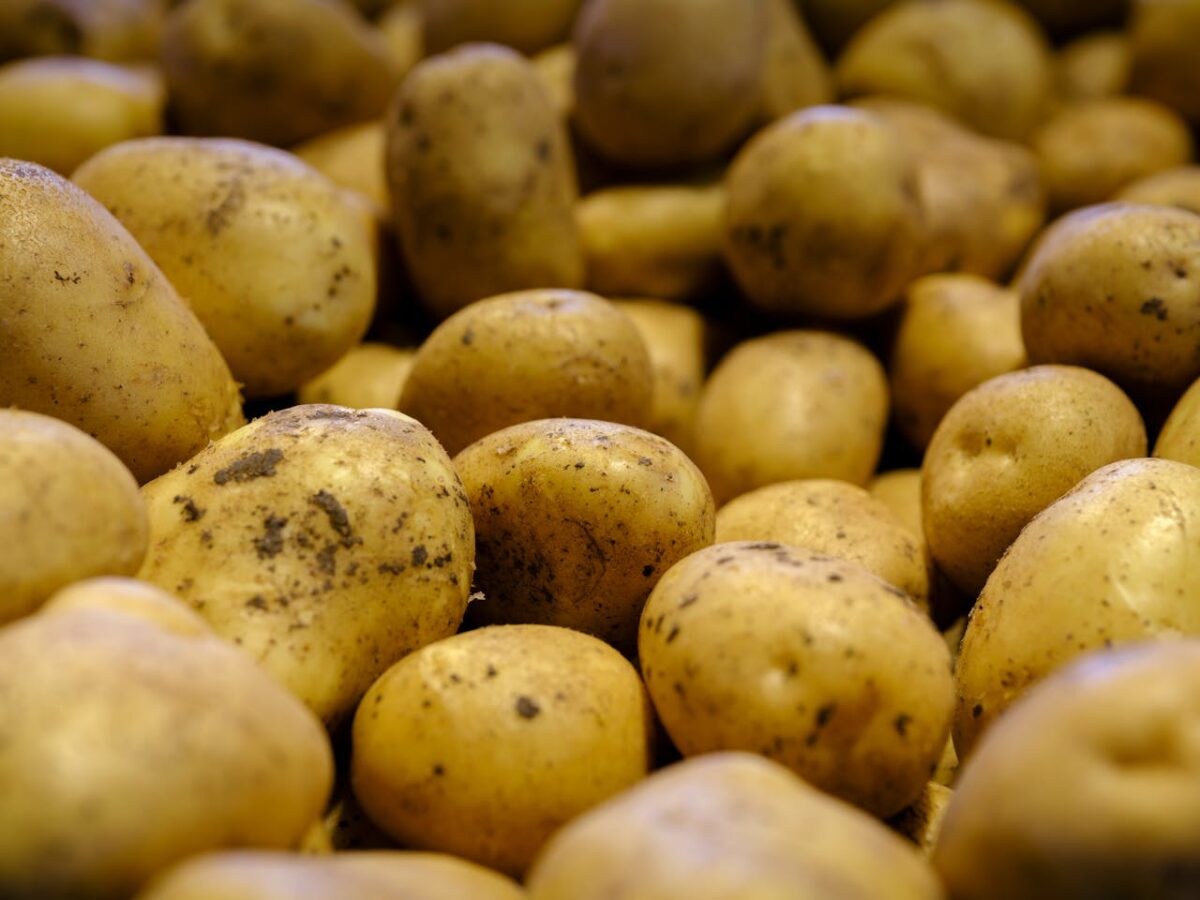
Not every potato creates the same style of mashed potatoes. Choosing a variety without thinking about the texture you want can lead to a result that does not match your expectations. Yukon Gold potatoes are often used for a creamy, buttery style of mash, while starchier potatoes such as russets can create a lighter, fluffier texture.
The mistake is not choosing one specific potato over another. The better approach is understanding what each type brings to the bowl. Bon Appétit’s guide to the best potatoes for mashing notes that starchier potatoes can make a lighter mash when handled gently, while the potato choice should ultimately suit the texture you want.
Waxy, lower-starch potatoes can produce a different texture and may be less forgiving when you are aiming for a classic fluffy mash, but they are not automatically unusable. Start by deciding whether you want a creamy or airy result, then choose a potato that fits that goal.
Overworking the Potatoes
Once cooked potatoes are ready to mash, it can be tempting to keep mixing until every lump disappears. However, too much handling can work the potatoes’ starch and create a sticky, pasty, or elastic texture. Blenders and food processors are especially likely to overwork potatoes because they can break them down too aggressively.
The goal is to gently transform the potatoes, not endlessly beat them. A potato ricer, food mill, or hand masher can give you more control over the texture. After the butter and dairy are incorporated and the mash reaches the consistency you want, it is usually best to stop mixing.
A lighter touch helps the potatoes stay soft instead of turning heavy and gummy. Serious Eats’ mashed-potato troubleshooting guide similarly cautions against overly aggressive processing, which can make potatoes sticky or gluey.
Not Draining and Drying Them Properly
Draining cooked potatoes is an important step, but it is not always the final step in managing moisture. Potatoes can hold onto extra water after cooking, and that excess moisture can affect the texture of the finished mash. Taking a little time to let some of that moisture escape can help create a better balance.
This does not mean removing all moisture from the potatoes. The goal is simply to reduce excess water before adding butter, milk, or cream. Some cooks return drained potatoes to the warm pot briefly so extra moisture can escape, while others allow them to dry briefly before continuing.
Bon Appétit’s extra-buttery mashed potatoes method uses a brief drying step after draining so the potatoes can better take in the flavored dairy mixture. Good mashed potatoes still need moisture; they just need the right amount.
Adding Cold Milk or Cream
Adding dairy straight from the refrigerator can work against the smooth, warm texture you are trying to build. Many mashed potato methods warm the dairy before combining it with the potatoes, often heating milk, cream, or a butter-and-dairy mixture before gradually adding it.
The simple fix is to warm the dairy first so it blends more naturally into the hot potatoes. The dairy does not need to boil; it only needs to be warm. Adding a warm mixture gradually helps keep the potatoes at the right temperature while making it easier to control the final texture. It is a small adjustment that can make the mashing process smoother.
Adding Too Much Liquid at Once
Mashed potatoes can quickly go from thick and creamy to loose if too much liquid is added before you have a chance to check the texture. Potatoes vary in moisture and absorption, so the amount of dairy needed can change from one batch to another. Adding liquid gradually gives you more control over the finished result.
Think of milk or cream as an adjustment rather than a single step where everything goes in at once. Add some, mix gently, and check the consistency before deciding whether more is needed. It is much easier to loosen a mash that is too thick than to fix one that has already become overly soft. Slow additions help you reach the texture you want.
Under-Seasoning the Potatoes
Potatoes have a mild flavor, so seasoning plays an important role in the final taste. One common mistake is waiting until the very end to think about flavor. Seasoning the cooking water can help the potatoes develop a seasoned foundation as they cook.
However, seasoning should not stop there. Once butter and dairy have been added, the finished mashed potatoes should still be tasted and adjusted if needed. A two-stage approach works well: season during cooking, then check the final mash before serving. Taking a moment to taste at the end helps ensure the finished potatoes have the balance you are looking for.
Mashed potatoes do not require complicated techniques to turn out well. The biggest improvements often come from paying attention to a few simple details: choosing the right potato for your preferred texture, handling the potatoes gently, managing moisture, warming dairy, adding liquid carefully, and adjusting seasoning at the end. Small choices can make homemade mashed potatoes easier to control and more consistent from batch to batch.