7 Common Mistakes Almost Everyone Makes When Using Garlic.
Garlic has earned its place as one of the most beloved ingredients in kitchens worldwide. From sauces and soups to roasted dishes and traditional remedies, this small bulb delivers a powerful combination of flavor, aroma, and nutritional value. However, many people unknowingly make simple mistakes when buying, storing, preparing, and cooking garlic mistakes that can reduce its taste and even waste its potential.
Whether you are an experienced cook or only use garlic occasionally, avoiding these common errors can help you unlock better flavor and make the most of every clove.
Here are seven mistakes almost everyone makes when using garlic.
Chopping Garlic and Using It Immediately
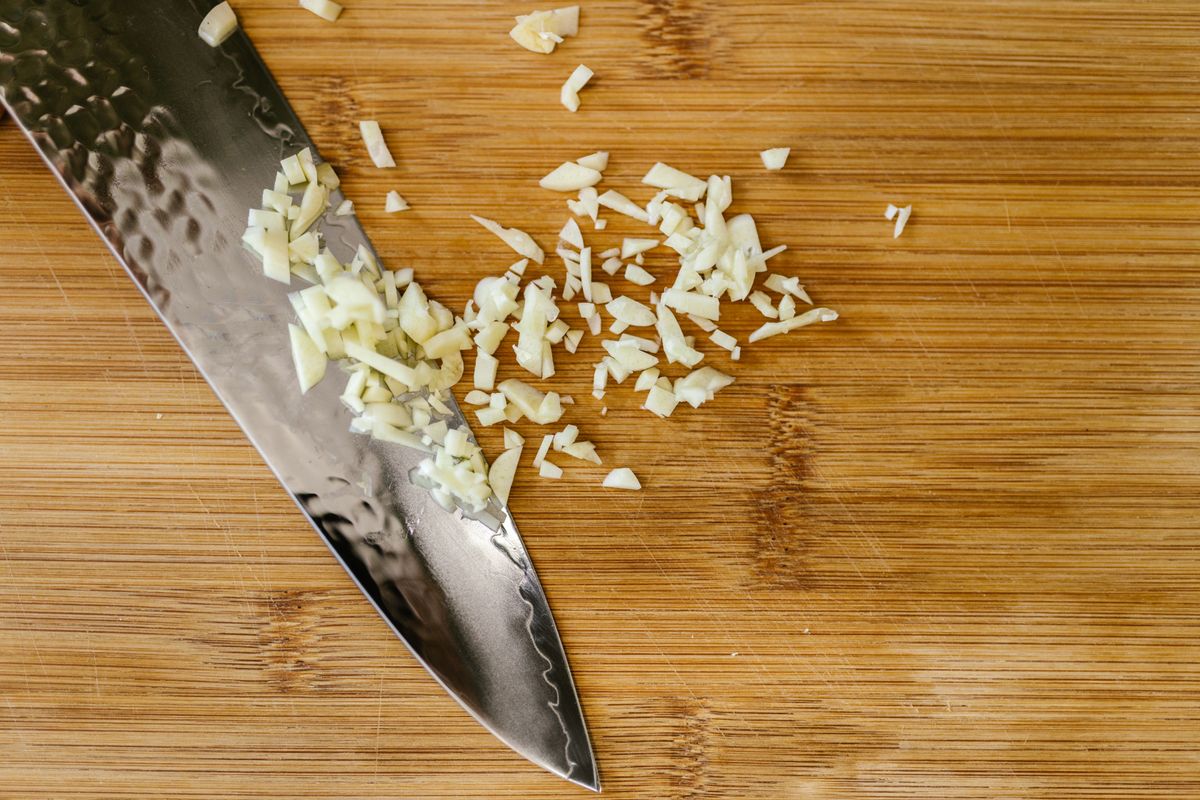
One of the most common mistakes people make is chopping garlic and immediately throwing it into the pan. While this saves time, it may prevent garlic from developing its full flavor potential.
When you crush, chop, or mince garlic, it releases a compound called allicin. This compound is responsible for much of garlic’s strong aroma and many of its beneficial properties. However, the reaction takes time.
Allowing chopped garlic to rest for about 5 to 10 minutes before cooking gives the natural enzymes time to activate and develop more flavor.
Instead of rushing from cutting board to frying pan, prepare your garlic first and let it sit briefly while you prepare other ingredients. This small change can make a noticeable difference in the final dish.
Using Garlic That Has Been Stored Incorrectly
Many people store garlic in the refrigerator, but this is not always the best option. Cold and moisture can make garlic soft, moldy, or cause it to sprout faster.
Whole garlic bulbs are best kept in a cool, dry place with good airflow. A basket, mesh bag, or open container in a kitchen cupboard is usually ideal. Avoid storing garlic in sealed plastic bags because trapped moisture can speed up spoilage.
Once garlic has been peeled or chopped, however, refrigeration becomes necessary. Store prepared garlic in an airtight container and use it within a reasonable time to keep it fresh.
Proper storage not only keeps garlic from going bad but also helps preserve its flavor.
Burning Garlic While Cooking
Garlic is famous for adding a delicious aroma to food, but it can quickly become bitter when burned. This happens because garlic contains natural sugars that can caramelize and turn unpleasant when exposed to high heat for too long.
A common mistake is adding minced garlic to very hot oil and leaving it unattended. Within seconds, it can go from golden and fragrant to dark and bitter.
For better results, cook garlic over medium or medium-low heat and watch it carefully. Add it later in the cooking process if your recipe requires long cooking times.
If you are sautéing onions or other vegetables, consider adding garlic after they have softened. This allows the garlic to release its flavor without burning.
Buying Pre-Peeled Garlic Without Considering Freshness
Pre-peeled garlic may seem convenient, especially for busy cooks, but it often does not provide the same flavor as fresh garlic bulbs.
Once garlic is peeled, it begins to lose moisture, and its aroma can weaken over time. Packaged peeled garlic may also sit for days or weeks before reaching your kitchen.
Fresh garlic bulbs usually offer stronger flavor and better texture. Look for bulbs that feel firm, have tight skin, and show no signs of mold or excessive sprouting.
Pre-peeled garlic can save time, but fresh garlic is often the better choice when flavor matters most.
Crushing Garlic the Wrong Way
Many people crush garlic too hard or use tools that damage its texture. Crushing releases flavor, but the method can affect the final result.
A gentle crush with the flat side of a knife helps loosen the skin and release the garlic’s juices. From there, you can chop it according to your recipe.
If you are making a sauce or marinade where you want strong garlic flavor, finely minced or crushed garlic may work well. For dishes that call for a milder taste, larger pieces or sliced garlic often work better.
Understanding how preparation changes garlic’s intensity can help you control your meals’ flavor.
Removing the Sprout Without Knowing Why
As garlic ages, a green shoot may appear in the center of the clove. Many people either throw away the entire clove or ignore the sprout completely.
Sprouted garlic is generally safe to eat if it isn’t spoiled, but the green center can sometimes taste stronger and slightly bitter. For dishes where you want a smooth, balanced garlic flavor, removing the sprout can improve the result.
Cut the clove in half and remove the green shoot before chopping or cooking.
However, if the garlic is soft, moldy, or smells unpleasant, discard it.
Adding Too Much Garlic Without Balancing Flavors
Garlic lovers often believe that more garlic always means better flavor. While garlic can improve many dishes, too much can overpower other ingredients.
Garlic’s strength depends on how you prepare it. Raw garlic has a sharp, intense flavor, while roasted garlic becomes sweeter and milder. Fried garlic develops a rich, nutty taste.
Instead of adding large amounts automatically, consider how garlic fits with the other flavors in your dish. Herbs, spices, acidity, salt, and cooking methods all shape how garlic tastes.
A well-balanced dish allows garlic to enhance the meal rather than dominate it.
Final Thoughts
Garlic may be a simple ingredient, but using it properly requires a little knowledge. Small mistakes like storing it incorrectly, burning it during cooking, or failing to prepare it properly can reduce both its flavor and quality.
By letting chopped garlic rest before cooking, storing it correctly, controlling heat, and choosing the right preparation method, you can turn ordinary meals into something much more flavorful.
The next time you reach for a garlic bulb, remember this small ingredient has a lot to offer, and a few simple changes can help you get the best results from every clove.