7 Nostalgic Items From Baby Boomer Childhood
Open a cookie tin in the wrong house, and you might find a dozen spools of thread. Pick up an old metal lunchbox and the click of its latch can put you back at a school cafeteria table before you’ve even looked inside. Some childhood memories come back through details that seemed too ordinary to notice at the time.
For many American baby boomers, the objects that bring back those years were the things people handled every day. Which ones you remember depends on where you grew up, what your family bought, and which chores you were old enough to help with. A milk bottle might take you straight to the breakfast table. A rotary phone might remind you exactly where you stood when you called your first crush.
Glass Milk Bottles with Cardboard Caps
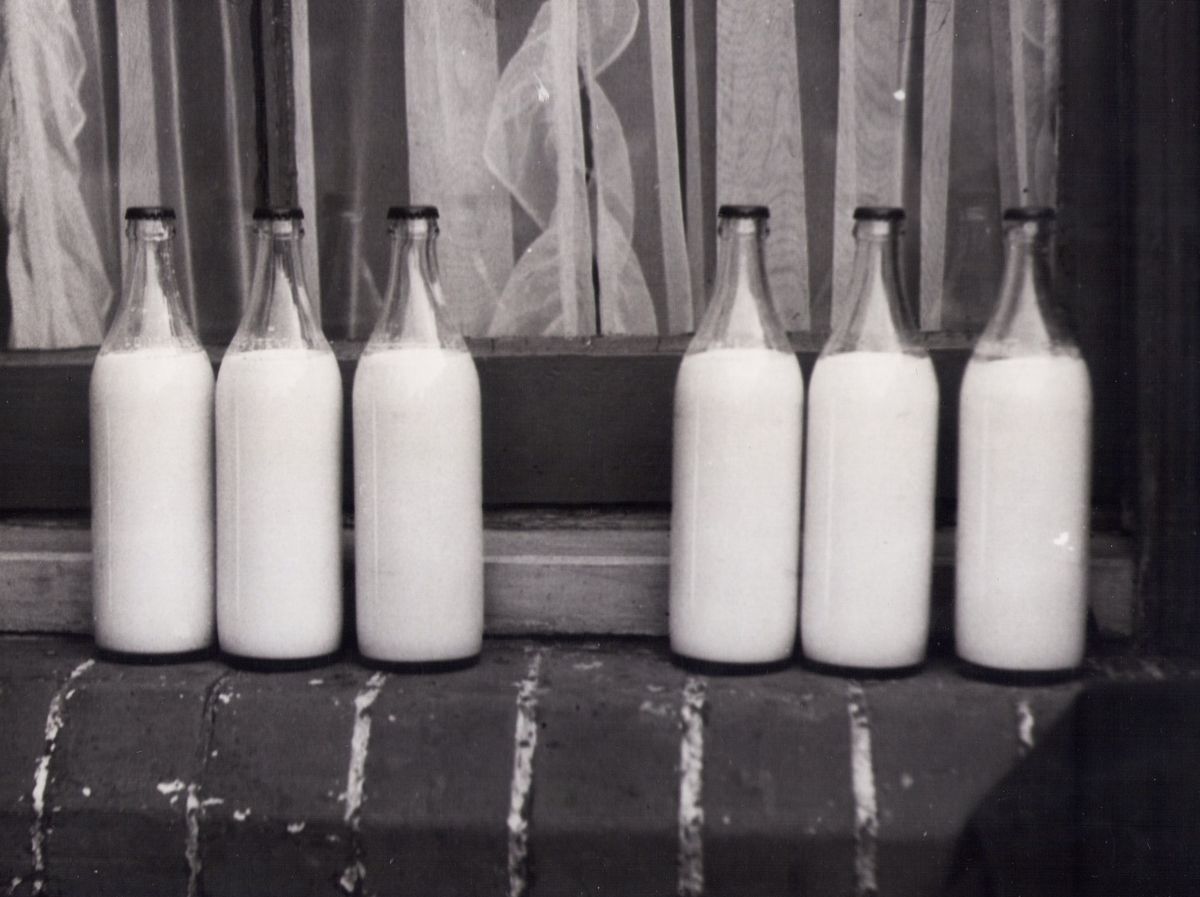
Before you could pour milk over your cereal, you had to get the little cardboard disk out of the bottle. Some caps had a tab you could lift. Others might take a bit more work with a fingernail. The National Museum of Transportation documents home-delivered milk bottles with round cardboard stoppers.
In a household that got milk delivered, the bottle could be part of the morning scenery, right alongside the cereal bowls and whatever toast was left on the plate. It’s easy to see why that little cap sticks in the memory. It was the part you could help with before anyone trusted you to pour from a full glass bottle.
Metal Lunchboxes that showed what you watched
Before anyone saw what you’d brought for lunch, they could see what you liked to watch. The Smithsonian’s collection includes a television-shaped Looney Tunes lunchbox from 1959 and one based on the 1969 sitcom Julia. A glance around the cafeteria could tell you which shows your classmates loved.
The lunchbox went everywhere you did on a school day, and it picked up the evidence. A dent might come from dropping it on the playground. A corner could lose its paint from scraping the same desk leg. Come lunchtime, you flipped the latch and hoped the sandwich had survived the trip.
S&H Green Stamp Books filled at the Kitchen Table
At participating stores and gas stations, a purchase could earn your family S&H Green Stamps. You pasted them into booklets and redeemed them for merchandise. The program was especially popular in the 1960s and ’70s, when families could browse a catalog to see what their stamps might get them.
For a child helping at the kitchen table, the task was to tear the stamps apart, moisten the backs, and line them up in the little squares. The fun was looking through the catalog. A stack of booklets might represent weeks of errands to the grown-ups. To a kid, it was a chance to make a case for something from the sporting goods pages.
Wooden Clothespins that went out with the Wash
A wooden clothespin could be a single slotted peg or two pieces held together by a spring. The Smithsonian’s collection preserves different versions of the tool, including patent models that show how much thought went into keeping a wet shirt on a line.
If you were too short to reach the line, you could still help. Someone might put you in charge of the clothespin bag, and you’d pass up a peg every time they held out a hand. The job went quicker on the way back in, when dry pillowcases landed in the basket, and the wooden pins rattled together as you collected them.
Cookie Tins that became Sewing Kits
A tin covered in pictures of buttery cookies made a convincing promise. Lift the lid in some homes, and there were needles, thread, spare buttons, and perhaps a pair of scissors you’d been told to leave alone. The tin’s second life could last years after the cookies were gone.
Once you learned what was inside, you knew where to go when a button came off your coat. Someone could tip the contents onto the table and look for a match. And if you were lucky enough to open an identical tin at somebody else’s house and find actual cookies, that felt like a small victory.
Rotary Phones that kept You within Earshot
Making a call meant putting your finger in a numbered hole, turning the dial to the stop, and waiting for it to spin back before dialing again. The Smithsonian preserves both the substantial black Model 302 and a pink Princess telephone with a coiled handset cord.
In a house with one shared phone, where it sat mattered. If it was in the kitchen, you might have to ask a friend an embarrassing question while someone washed dishes two feet away. You could stretch the cord toward the hallway for a little privacy, assuming it reached that far.
Hand-Crank Pencil Sharpeners that interrupted the Classroom
A dull pencil could mean a trip to the wall sharpener. You slid the pencil into the opening, turned the crank, and felt the resistance change as the point took shape. The Smithsonian’s Dexter Model 3, made around 1945, preserves that sturdy design.
In a quiet classroom, everyone could hear you sharpening. A few turns might do it, though sometimes the pencil came out crooked and you had to start again. The little heap of curled shavings stayed behind for somebody to empty. Years later, the rasp of that crank can bring back an entire room, right down to the walk back to your desk.