7 Weirdest and Most Unconventional Foods in the U.S
American cuisine is a wild, endlessly inventive landscape that constantly pushes boundaries. Beyond classic comfort foods like burgers and mac and cheese lies a universe of daring, unconventional dishes that make you stop mid-bite and wonder, “Who thought of this?”
From deep-fried sugary snacks to gamey delicacies and bizarre combos, these foods are a testament to American creativity and audacity in the kitchen. They reflect regional traditions, quirky state fairs, and a willingness to experiment that turns ordinary ingredients into extraordinary experiences.
Spam Musubi
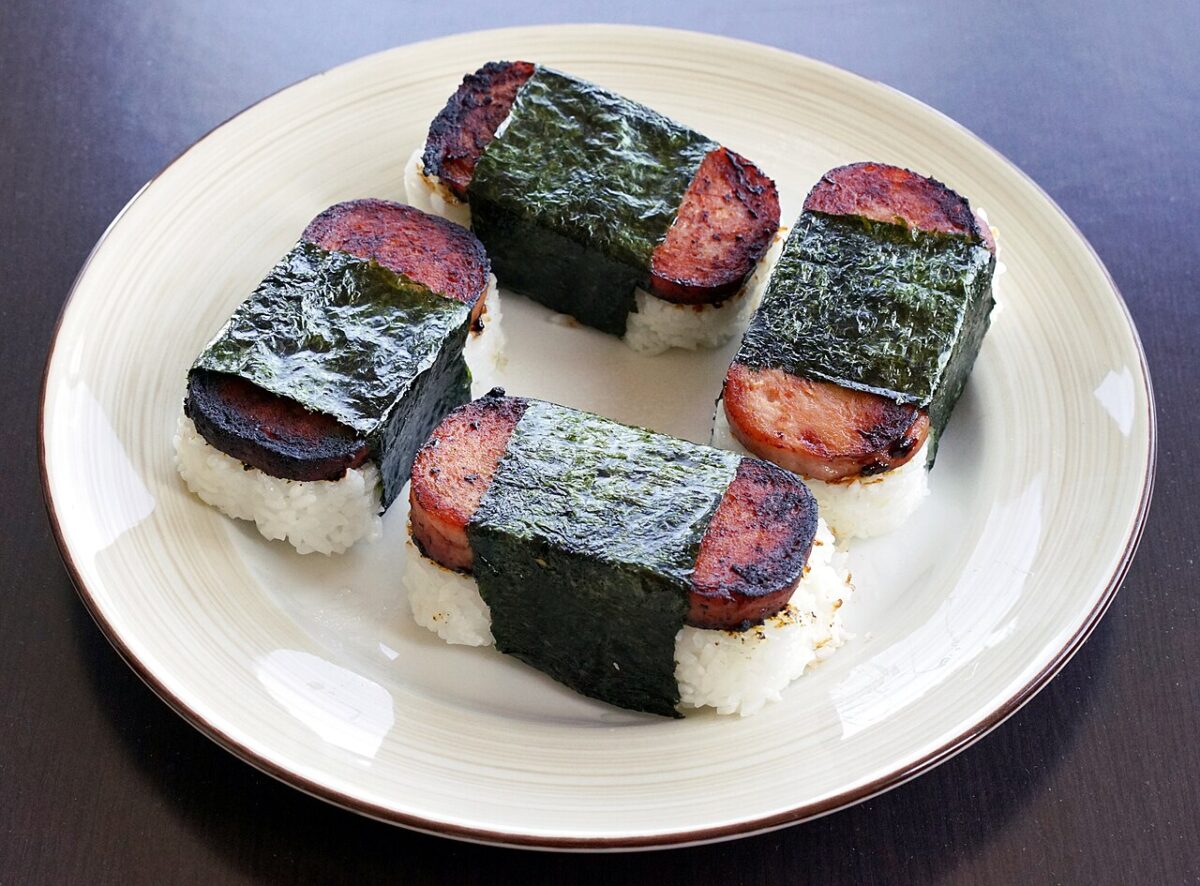
A Hawaiian favorite, Spam musubi combines a block of rice, a slice of grilled Spam, and a strip of nori for portability and taste. This fusion of Japanese-inspired sushi with a locally beloved canned meat creates a quick, salty, and savory snack.
Tourists may balk at the idea, but locals embrace it as breakfast, lunch, or on-the-go convenience, highlighting regional creativity and practicality.
Spam musubi reflects the ingenuity of American fusion cuisine. It turns simple, shelf-stable ingredients into a beloved cultural snack, demonstrating adaptability and the blending of traditions in U.S. food culture.
Deep-Fried Kool-Aid
At state fairs across the country, you might stumble upon a dish that turns the childhood favorite Kool-Aid into a fried, doughy snack. Powdered Kool-Aid, mixed with flour, sugar, and a touch of water, is dipped into hot oil until it becomes golden and crispy.
The result is a crunchy, sweet bite that encapsulates the drink’s nostalgic tang with a satisfyingly greasy twist. This unusual treat illustrates how Americans love transforming the familiar into something entirely unexpected, blending memory and novelty in one bite.
Fried Kool-Aid isn’t just about shock value; it’s also a celebration of playful indulgence. Fair-goers savor the experience as much for its novelty as its flavor, often capturing it on social media to share with friends and family. The snack embodies the spirit of experimentation that drives many unconventional American foods.
Brain Sandwich

In certain parts of Indiana and Missouri, the brain sandwich remains a local culinary institution. Thin slices of pork or calf brain, battered and lightly fried, are served on soft white bread, creating a delicate texture that’s creamy on the inside and crisp on the edges.
Despite the shock factor for outsiders, enthusiasts appreciate its subtle flavor and the nostalgic heritage behind the dish, which dates back to earlier eras when organ meats were a dietary staple.
Eating a brain sandwich is as much about cultural immersion as it is about taste. The dish represents resourcefulness, regional identity, and the willingness to embrace ingredients that might seem unusual in other contexts. For adventurous eaters, it’s a lesson in culinary history wrapped in a simple, humble presentation.
Scrapple
A Pennsylvania Dutch tradition, scrapple is a loaf of pork scraps blended with cornmeal and spices, then sliced and fried to golden perfection. Its soft interior contrasts with a crispy crust, offering a comforting, hearty breakfast option with deep regional roots. For outsiders, scrapple may seem odd, but for locals, it is a familiar taste that evokes history, ingenuity, and sustainability.
Scrapple highlights the American tradition of resourceful cooking, turning leftover cuts into a celebrated dish. Its enduring popularity underscores the ability of unconventional foods to connect generations through flavor and shared heritage.
Rocky Mountain Oysters
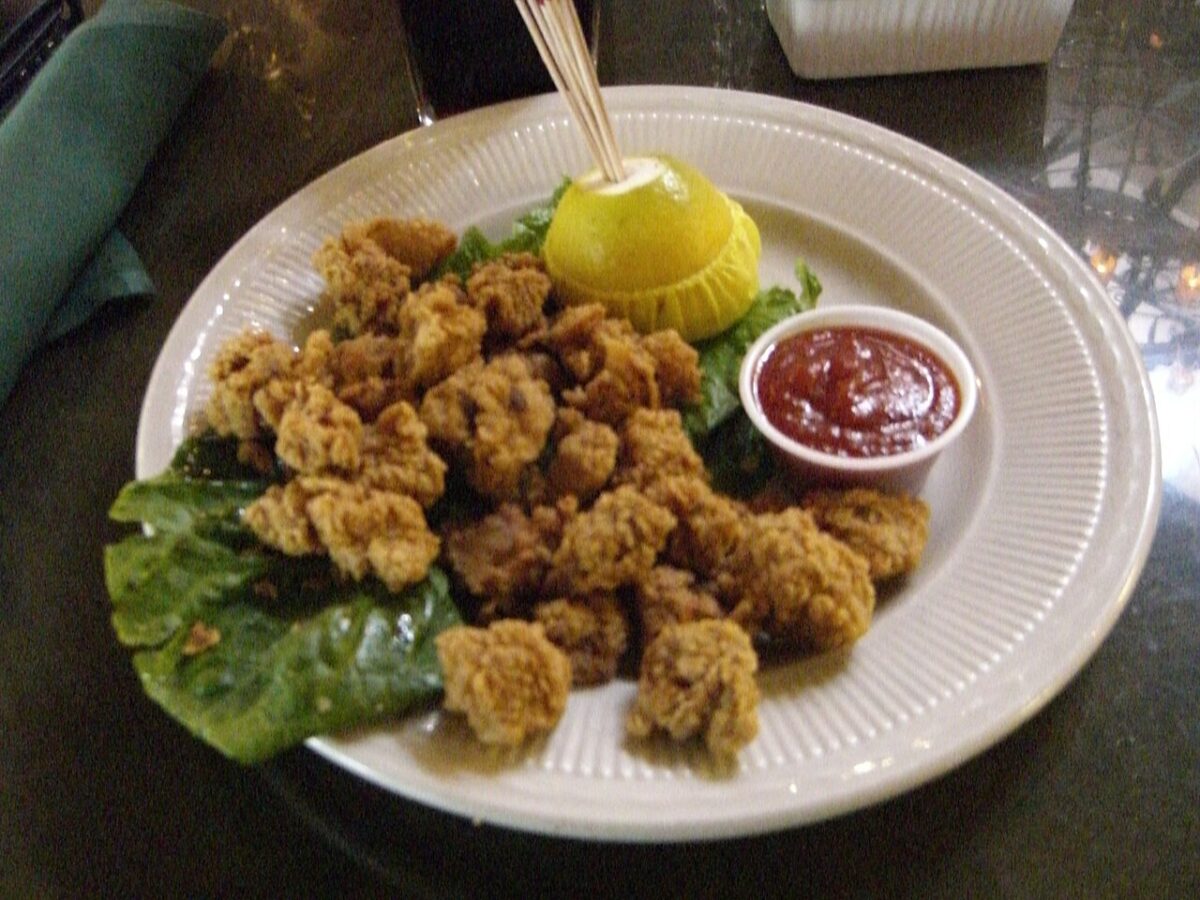
Perhaps the most infamous of American delicacies, Rocky Mountain oysters are actually bull testicles, deep-fried and seasoned for consumption. Popular in Western ranching communities, they were originally used to honor tradition during cattle branding events. The texture is surprisingly reminiscent of fried chicken nuggets, with a chewy consistency and a mildly gamey flavor.
Rocky Mountain oysters showcase the American penchant for turning practically anything into a signature dish. Whether served with horseradish or hot sauce, they remain a rite of passage for locals and tourists alike, blending bravado and culinary curiosity in every bite.
Chitlins
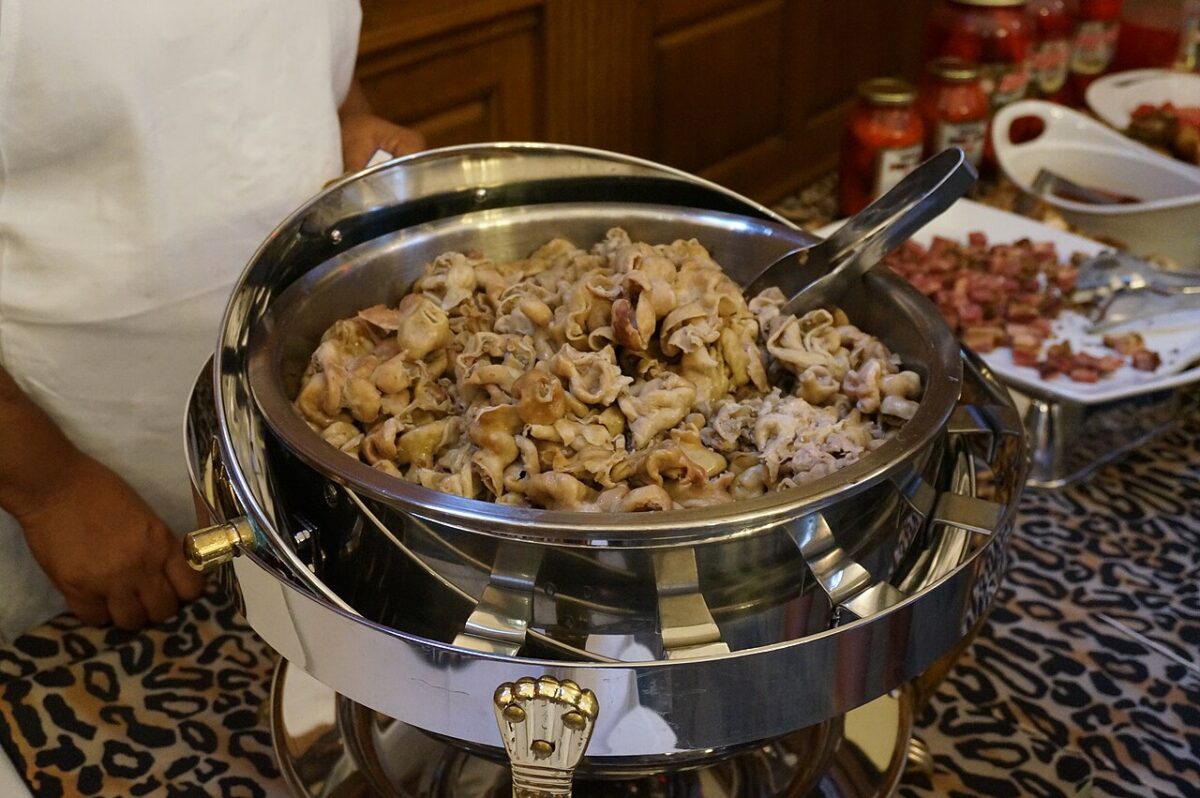
Short for chitterlings, chitlins are pig intestines that are cleaned, boiled, or fried, then seasoned for consumption, primarily in the Southern U.S. Known for their strong aroma, they are considered a delicacy tied to resilience and resourcefulness in times of scarcity. Eating chitlins is as much a cultural experience as a culinary one, linking food to history and tradition in communities that preserve these recipes.
Chitlins showcase the Southern emphasis on flavor, thrift, and tradition. Mastering the preparation requires patience and care, demonstrating how unconventional foods often carry deep cultural meaning and pride.
Fried Cheese Curds with Maple Syrup
Found in the Northern U.S., this dish pairs freshly fried cheese curds with a drizzle of maple syrup, merging savory and sweet into a single bite. The curds maintain a gooey interior while the exterior crisps up in hot oil, and the syrup adds a surprising layer of flavor contrast. Though unconventional, the combination delights those who seek bold, playful culinary experiences.
This dish represents the American penchant for experimentation and flavor innovation. By combining ingredients with contrasting tastes and textures, it showcases how kitchen creativity can transform familiar foods into memorable, unexpected treats.