8 Breads Grandma Baked Every Week Without a Bread Machine
In Grandma’s kitchen, baking bread wasn’t a weekend hobby or a special project. It was simply part of the weekly routine, as regular as doing the laundry on Monday and ironing on Tuesday. Many grandmothers baked several loaves at once, and the smell of yeast and warm crust filled the whole house.
There were no bread machines, stand mixers with dough hooks or packaged bread mixes in most of those kitchens. Grandma mixed the dough in a big bowl, kneaded it by hand on a floured counter and let it rise under a clean dish towel near the warm stove. She knew by feel when the dough was ready, without a timer or a thermometer.
Store-bought sliced bread became common in the 20th century, but plenty of families kept baking their own for decades. Here are eight breads Grandma baked every week, the old-fashioned way, and why so many people still remember them.
1. Plain White Sandwich Bread
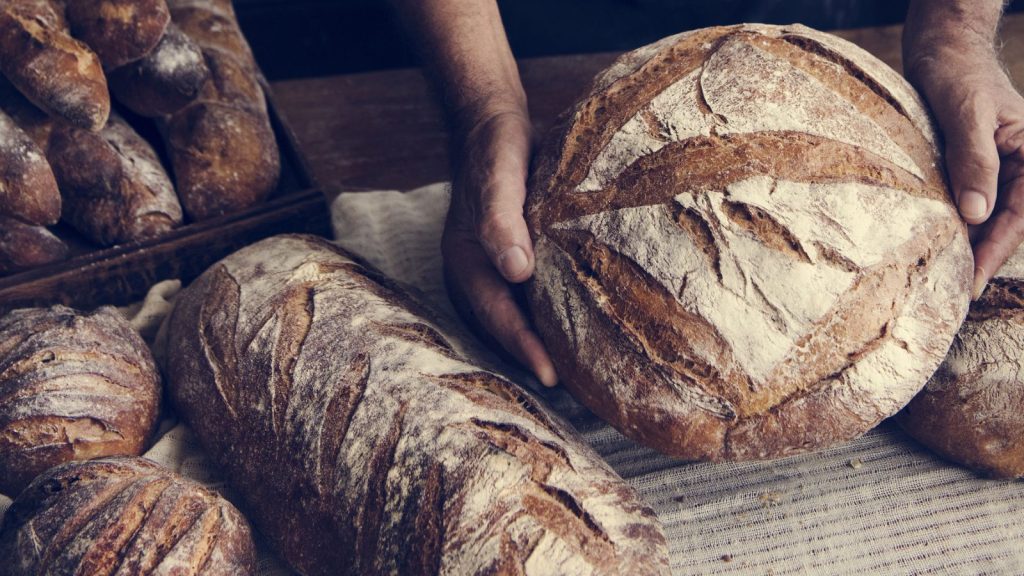
The most important bread in Grandma’s kitchen was a simple white loaf. Made from flour, yeast, water or milk, a little sugar, salt and shortening or butter, it was the bread for every sandwich, every piece of toast and every slice of bread and butter at the dinner table.
Many grandmothers baked two to four loaves at a time, enough to last the family most of the week. The heel of a fresh loaf, still warm and spread with butter, was a treat kids fought over. Pre-sliced bread was first sold in 1928, according to the history of sliced bread, but homemade loaves stayed on many tables long after that.
2. Dinner Rolls
Soft dinner rolls were a Sunday staple and a must for holidays. Grandma shaped them by hand into round buns, cloverleaf rolls or Parker House rolls folded in half. They were brushed with melted butter and baked until golden.
Many families remember Grandma’s rolls more vividly than any other part of the meal. Some grandmothers made the dough on Saturday and let it rise slowly in the refrigerator overnight, so fresh rolls could be baked right before church dinner. Leftover rolls became next-day sandwiches.
3. Cinnamon Rolls
On special mornings, Grandma rolled out sweet dough, spread it with butter, brown sugar and cinnamon, and rolled it into a log. She sliced it into spirals, let them rise in a pan and baked them until they were puffy and golden, then drizzled them with a simple powdered sugar glaze.
Cinnamon rolls took time, so they were often saved for weekends, birthdays and holiday mornings. The smell alone was enough to get everyone out of bed. Many grandchildren say they’ve never tasted a cinnamon roll as good as Grandma’s, no matter how many bakeries they try.
4. Cornbread
In the South, cornbread was baked several times a week, often in a well-seasoned cast-iron skillet. Grandma heated the skillet with bacon grease in the oven, then poured in a batter of cornmeal, buttermilk, eggs and a little flour. The hot skillet gave it a crispy, golden crust.
Cornbread didn’t need yeast or rising time, which made it perfect for weeknight suppers. It was served with beans, greens, chili and soups, and leftovers were crumbled into a glass of buttermilk for a simple snack. Northern grandmothers often made a sweeter, cake-like version baked in a square pan.
5. Biscuits
Biscuits were another quick bread Grandma could make almost without thinking. Flour, baking powder, salt, cold fat and buttermilk came together in minutes. She cut them with a biscuit cutter or the rim of a drinking glass and baked them in a hot oven.
In many Southern homes, biscuits were made fresh every morning for breakfast. They were split and topped with butter, jam, honey, sorghum or sausage gravy. Grandma rarely measured, and her biscuits still came out tall and tender every time.
6. Banana Bread
Banana bread was Grandma’s way of making sure nothing went to waste. When bananas turned brown and spotty, she mashed them into a batter with flour, sugar, eggs, butter and baking soda, sometimes adding walnuts. The quick bread baked into a moist, sweet loaf.
Banana bread became especially popular in American kitchens in the 1930s, when baking soda and baking powder were widely available and thrifty cooks looked for ways to use overripe fruit. It was a favorite for school lunches, afternoon snacks and gifts for neighbors. Many families still use Grandma’s banana bread recipe today.
7. Oatmeal Bread
Oatmeal bread was a hearty, slightly sweet yeast bread that many grandmothers made, especially in New England and the Midwest. Rolled oats were soaked in hot water or milk, then mixed with flour, yeast, molasses or honey and a little butter.
The oats gave the bread a soft, moist texture and a lovely flavor. It made wonderful toast and sandwiches, and it stayed fresh a little longer than plain white bread. For families on a budget, adding oats was also a way to stretch the flour further.
8. Rye and Pumpernickel
In many immigrant households, especially German, Polish, Scandinavian and Jewish families, Grandma baked dense rye or pumpernickel bread. These breads used rye flour, often with caraway seeds, and sometimes molasses or cocoa for a darker color.
Rye bread was the base for open-faced sandwiches, served with butter, cheese, cold cuts or smoked fish. It had a tangy, earthy flavor that many grandchildren learned to love. For many families, a loaf of homemade rye was a direct link to the old country and the recipes Grandma carried with her.
How Grandma Did It Without Machines
Grandma’s bread-making relied on skill and patience. She kneaded the dough by hand for about ten minutes, until it was smooth and springy. She let it rise in a warm spot, sometimes near the radiator or on top of the refrigerator, then punched it down, shaped it and let it rise again.
She tested the dough by pressing a finger into it and watching how it sprang back. She knew a loaf was done by tapping the bottom and listening for a hollow sound. Those skills were passed down from mother to daughter, often without a single written recipe. Many of these habits came from Depression-era grandparents who learned to make every ingredient count.
Why Homemade Bread Mattered
For many families, homemade bread saved money. Flour, yeast and a few pantry staples cost far less than buying several loaves a week. It also meant fresh bread was always on hand for a big family.
But homemade bread meant more than savings. It was a symbol of care and comfort. A slice of warm bread with butter, served at the kitchen table, made people feel at home. Many grandchildren say the smell of baking bread is one of their strongest childhood memories. These 1960s kitchen tools were part of that world too.
Bringing Grandma’s Bread Back
Today, many home cooks are rediscovering the joy of baking bread by hand. Some are learning from old recipe cards in Grandma’s handwriting, while others watch online videos. The process takes time, but many say it’s relaxing and rewarding.
Did your grandmother bake bread every week? And which of these breads do you remember most, or still make yourself today?