8 Breakfast Foods That Can Help Older Adults Start the Day With a More Balanced Meal
Breakfast preferences differ, and not everyone needs the same morning routine. Some people enjoy a substantial meal, while others prefer something small and simple.
For older adults, breakfast can provide an opportunity to include protein, fiber, and other nutrients early in the day. The best choices depend on appetite, medical needs, and the foods someone enjoys. These eight familiar breakfast options offer practical starting points without requiring complicated preparation.

1. Eggs With Vegetables
Eggs provide protein and can be prepared in numerous ways. Adding spinach, tomatoes, mushrooms, or other vegetables creates more variety.
An omelet or scramble can be prepared in relatively little time. The ingredients can also be adjusted to use small quantities of vegetables already available.
Eggs should be cooked and handled safely. Individual dietary requirements may influence how frequently someone chooses them. The meal can be paired with whole-grain toast or another suitable food.
2. Oatmeal With Fruit
Oatmeal provides fiber and can be prepared with water, milk, or another suitable liquid. Fruit adds flavor and additional nutrients.
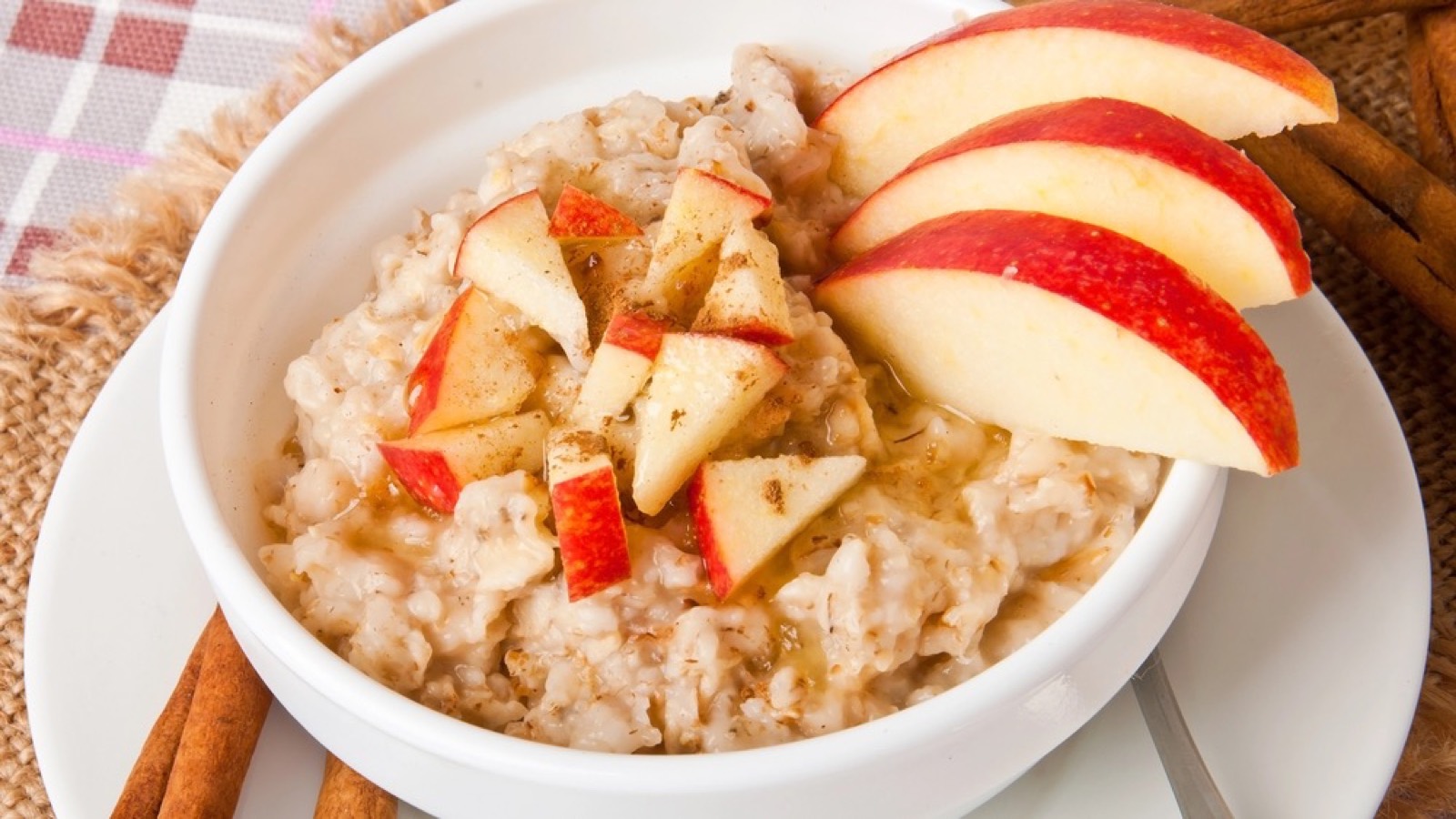
Plain oats allow people to control the amount of added sugar. Cinnamon, berries, or sliced bananas can provide variety.
Adding yogurt, milk, or nuts can contribute protein and fat, making the meal more substantial. Portion sizes can be adjusted to appetite. Oatmeal is also convenient because dried oats store well.
3. Greek Yogurt With Nuts
Greek yogurt is often higher in protein than conventional yogurt, although amounts vary by brand. Plain varieties can be combined with fruit and nuts.

Nuts add texture and provide fat and some protein. The combination requires little preparation.
Some products contain significant added sugar, so reading labels can be helpful. People with nut allergies need suitable alternatives. The meal can be adapted to different appetites by adjusting the portion size.
4. Whole-Grain Toast With Peanut Butter
Whole-grain toast and peanut butter provide a convenient combination of carbohydrates, fat, and some protein. Fruit can be served alongside for additional variety.
Peanut butter products differ in added sugar, salt, and oils. Comparing labels helps identify suitable options.
The spread is energy-dense, so portions should reflect individual needs. It is unsuitable for anyone with a peanut allergy. The simplicity makes it particularly useful on mornings when cooking feels inconvenient.
5. Cottage Cheese With Fruit
Cottage cheese provides protein and can be eaten without cooking. Fruit adds sweetness and different textures.
Some people enjoy berries, peaches, or pineapple. Others prefer savory toppings such as tomatoes or herbs.
The sodium and fat content of cottage cheese varies between products. Choosing a suitable variety depends on dietary needs. Its convenience makes it useful for smaller households or people with limited preparation time.
6. Breakfast Beans
Beans may seem unusual to people accustomed to cereal or toast, but they appear in breakfast traditions around the world. They provide fiber and plant-based protein.

They can be served with eggs, vegetables, or bread. Canned beans offer convenience, although sodium levels vary. The USDA’s nutrition guidance includes beans, peas, and lentils among protein foods.
Breakfast doesn’t need to follow a rigid collection of familiar American dishes. Savory foods can provide useful alternatives.
7. Sweet Potatoes With Eggs
Sweet potatoes can be cooked ahead of time and reheated for breakfast. They provide carbohydrates, fiber, and beta-carotene.
Pairing them with eggs or another protein source creates a more substantial meal. Savory seasonings can help balance their natural sweetness.
The combination also makes use of suitable leftovers from dinner. Preparing ingredients in advance can reduce morning cooking time. Sweet potatoes offer a different option from ordinary breakfast potatoes.
8. Sardines on Toast
Sardines may be an unfamiliar breakfast choice for some Americans, but fish appears in morning meals in numerous cultures. Canned sardines require little preparation.
They provide protein and omega-3 fatty acids. Varieties with edible bones can also contribute calcium.
A look at traditional pantry ingredients shows why shelf-stable foods remain useful in modern kitchens. Sardines offer convenience when fresh ingredients aren’t available. Their strong flavor won’t appeal to everyone, but people who enjoy them can prepare a quick meal with toast and vegetables.
Building a Breakfast That Fits Your Needs
The most useful breakfast provides nutrients in amounts appropriate to the individual. Protein, fiber, and a variety of foods can contribute to a balanced eating pattern.
Older adults may have different needs because of medical conditions, medications, and changes in appetite. A single breakfast recommendation cannot account for every circumstance. The National Institute on Aging provides guidance on healthy eating for older adults.
Convenience also matters. A breakfast that is easy to prepare consistently may be more practical than a complicated meal that rarely gets made.
A balanced morning meal doesn’t require expensive ingredients or unfamiliar recipes. Ordinary foods such as eggs, oats, yogurt, beans, and whole grains can offer useful options when prepared according to personal needs.