8 Brutal Ways Childhood Spanking Can Haunt Adults for Life
Some childhood punishments do not end when the crying stops. They quietly follow people into adulthood, hiding within their reactions, relationships, parenting choices, and sense of self-worth. Many adults can still remember the sound of footsteps, the raised voice, the belt, the slap, or the terrifying moment when a parent’s anger filled the room.
For years, corporal punishment was treated as normal discipline. Many people were told it built respect, corrected behavior, or made children stronger. Yet many adults who were hit as children say the lesson they learned was not respect. It was fear, silence, shame, and emotional survival.
It Teaches Fear Instead of Respect
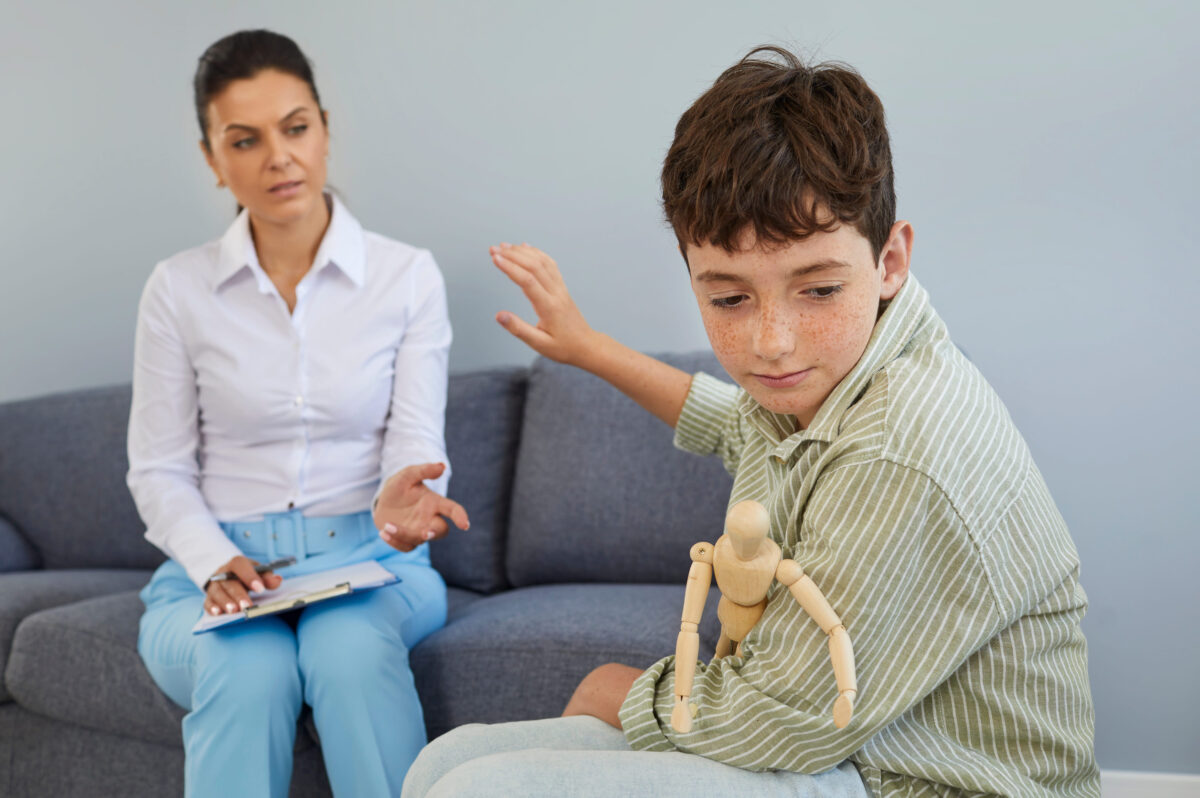
A child may obey after being hit, but obedience created by fear is not the same as respect. Fear teaches the child to focus on avoiding pain, not understanding what went wrong. The punishment becomes bigger than the lesson.
As adults, that fear can turn into anxiety around authority figures. A boss, teacher, police officer, partner, or even a serious conversation can trigger the same old panic. The body remembers what the mind tries to explain away.
It Makes Anger Feel Dangerous

Many children who were physically punished learned that anger was unsafe. They could not protest, explain, or defend themselves without risking more punishment. So they swallowed their feelings and called it being “well behaved.”
That bottled anger does not disappear. It can become resentment, emotional numbness, sudden outbursts, or trouble saying what hurts. An adult may look calm on the outside and still carry a storm they were never allowed to express.
It Can Break Trust in Love
Children often experience their first lessons about love at home. When the same hands that feed, hug, and protect them also hurt them, love becomes confusing. Care starts to feel mixed with danger.
Later in life, this can affect romantic relationships, friendships, and family bonds. Some adults struggle to trust affection because closeness once came with fear. Others accept harsh treatment because pain was once explained to them as love.
It Creates Deep Shame

Physical punishment often sends a child a hidden message. It says, “You are bad,” not simply, “You made a mistake.” That difference matters because shame attacks the person, not the behavior.
Adults raised this way may apologize too much, doubt themselves, or feel guilty for having needs. Even small mistakes can feel like proof that they are failing at life. A simple correction can land like humiliation because childhood trained them to expect punishment.
It Makes Conflict Feel Like a Threat
Healthy conflict requires listening, patience, and emotional safety. Children who were hit during conflict rarely learned those skills from the adults around them. They learned that disagreement could become dangerous very quickly.
As adults, they may shut down during arguments, leave the room, cry easily, freeze, or become defensive before the other person finishes speaking. Their reaction may seem dramatic to others, but it often comes from old fear. Their nervous system is responding to danger, even when the present moment is not the past.
It can damage self-worth.
A child lacks the emotional tools to separate punishment from identity. If they are hit often enough, they may begin to believe they deserve pain when they disappoint someone. That belief can grow into low self-worth.
In adulthood, this may appear as people-pleasing, perfectionism, or acceptance of disrespect. The person may work too hard for approval because approval once felt like safety. They may believe love has to be earned through good behavior, silence, and sacrifice.
It Can Affect Parenting Later
Many adults promise themselves they will never repeat what happened to them. Yet parenting can wake up old wounds in painful ways. A child’s tantrum, crying, defiance, or backtalk can trigger memories that the adult has never fully processed.
Some parents become overly strict because that is the only model they know. Others become overly permissive because they fear becoming the person who hurt them. Healing often requires learning a new language of discipline, one built on boundaries, repair, patience, and emotional control.
It Leaves the Body on Alert
Childhood fear does not live only in memory. It can live in the body. Adults who experienced harsh punishment may become jumpy in response to loud voices, sudden movements, slammed doors, or angry facial expressions.
This constant alertness is exhausting. It can make peace feel unfamiliar, and tension feel normal. The adult may not understand why they are always scanning the room, reading people’s moods, or preparing for something to go wrong.
It Can Make Apologies Hard to Believe
Children who were hurt by caregivers often heard excuses afterward. They may have been told, “I did it because I love you,” or “You made me do it.” Those words can make apologies feel unsafe later in life.
As adults, they may struggle to accept repair after conflict. They may wonder if kindness is real or just the calm before another emotional storm. Trust takes longer to rebuild when childhood taught them that pain could be followed by a forced hug and silence.
It Can Silence a Person for Years

One of the heaviest effects of physical punishment is silence. Many children were never asked how they felt. They were told to stop crying, stop talking, or stop being dramatic. Their pain was treated like disrespect.
That silence can last for years. Adults may struggle to tell their story because they fear being judged, dismissed, or told their parents “did their best.” Two things can be true at once. A parent may have believed they were disciplining a child, and the child may still have been deeply hurt.
Conclusion
The most painful childhood punishments are not always remembered because of the physical pain. They are remembered because of what they taught the child about safety, love, power, and worth. A slap may last a second, but the fear attached to it can shape how a person moves through life for decades.
This does not mean every adult who was spanked is permanently broken. People heal, grow, learn, and build healthier lives every day. But healing often begins with telling the truth. Pain should not be romanticized as discipline, and fear should not be confused with respect. Children need correction, structure, and boundaries, but they also need safety. When adults understand that difference, they can stop passing old wounds from one generation to the next.