8 Common Foods Whose Names Have Totally Unexpected Meanings
We say the names of our favorite foods every day without giving them a second thought. You order a cappuccino, pass the ketchup or make spaghetti for dinner, and the words feel as ordinary as “bread” or “milk.” Nobody stops to ask where those names came from.
But many of the foods on American tables carry names with surprising stories. Some come from faraway languages and were changed over centuries. Others are little jokes, nicknames or descriptions that would make you laugh if you heard them translated. A few even have backstories involving monks, noblemen and card games.
Once you know what these names really mean, you’ll never look at your grocery list the same way again. Here are eight common foods whose names have totally unexpected meanings, perfect for sharing at your next family dinner.
1. Ketchup
Ketchup feels about as American as apple pie, but its name started halfway around the world. Food historians trace it to a word from the Hokkien Chinese dialect, often written as “kê-tsiap,” which described a sauce made from fermented fish. As NPR reported, English and Dutch sailors brought the idea home in the 1600s.
For a long time, English “ketchups” were made from mushrooms, walnuts or oysters, not tomatoes. Tomato ketchup didn’t take over until the 1800s, and Heinz helped make it a household staple. So when you squeeze it on a burger, you’re using a name that once meant fish brine.
2. Cappuccino
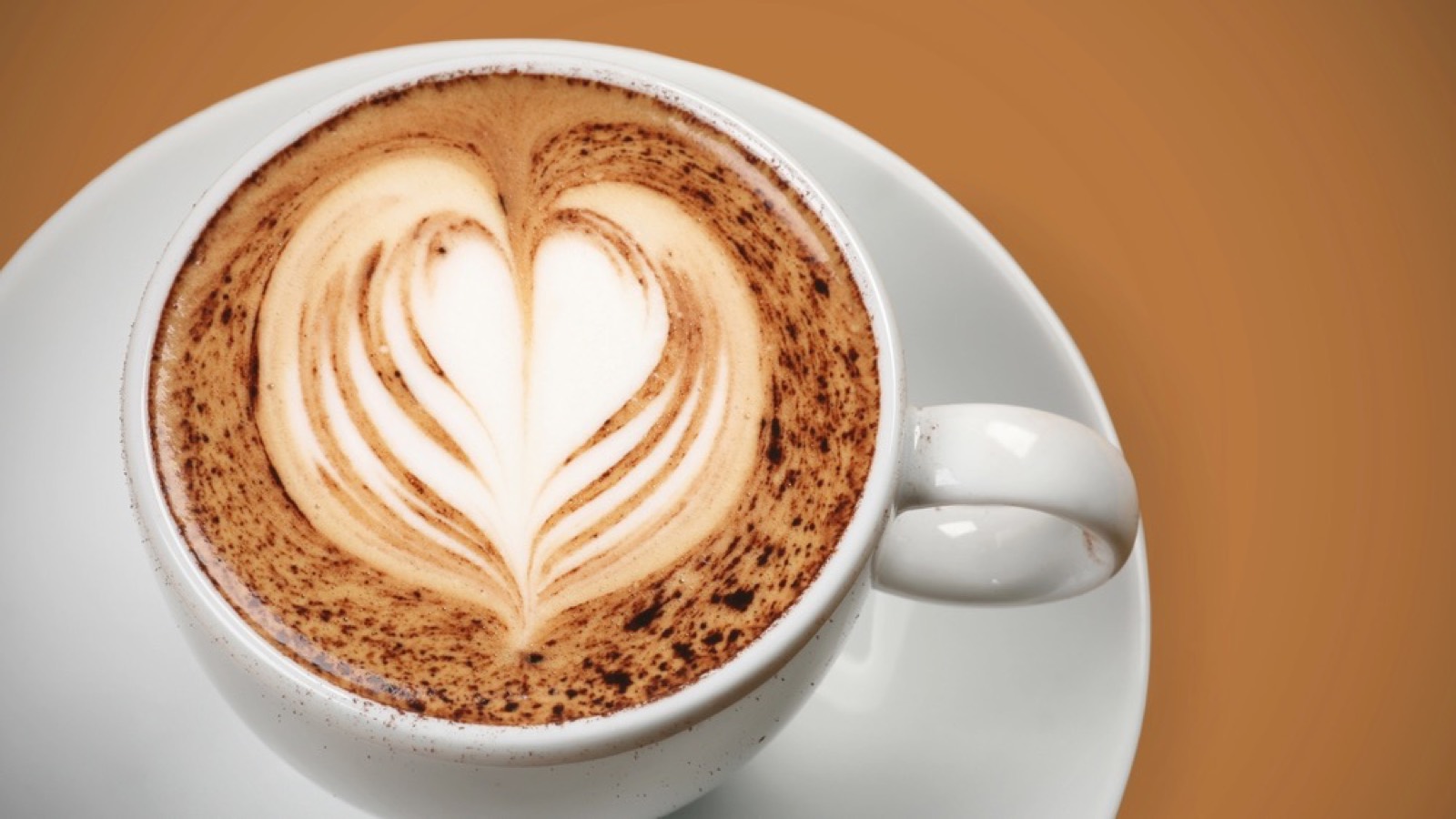
The cappuccino is named after a group of monks. The Capuchin friars, a Catholic religious order founded in Italy in the 1500s, wore brown robes with pointed hoods. Their name comes from the Italian word “cappuccio,” meaning hood.
When coffee drinkers noticed that espresso mixed with milk turned a similar shade of brown, the name stuck. Merriam-Webster explains that the drink’s color reminded people of the Capuchins’ robes. Today’s cappuccinos are often lighter or darker than those old habits, but the monks’ name lives on in coffee shops everywhere.
3. Tiramisu
Tiramisu is a layered Italian dessert made with coffee-soaked ladyfingers, creamy mascarpone and a dusting of cocoa. It became wildly popular in American restaurants in the 1980s and ’90s, and it’s still a favorite on dessert menus today.
Its name means “pick me up” or “lift me up” in Italian. That’s a cheerful reference to the energy boost from the coffee and sugar in every bite. It’s also a fitting description of how most people feel after eating a slice. Not many desserts have a name that doubles as a sales pitch.
4. Vermicelli
Vermicelli is a thin pasta that many families use in soups or as a lighter swap for spaghetti. It’s a pantry staple in Italian kitchens and shows up in Asian dishes too, where rice versions are common.
Translated from Italian, vermicelli means “little worms.” It’s not the most appetizing image, which is probably why the Italian name stuck in English instead of a direct translation. Spaghetti, by the way, means “little strings,” and linguine means “little tongues.” Italian pasta names are full of these playful, very literal descriptions.
5. Biscuit
To Americans, a biscuit is a fluffy, buttery bread served with gravy or jam. To the British, it’s a crisp cookie. Both come from the same old word, which originally comes from Latin and French phrases meaning “twice cooked.”
Long ago, sailors and soldiers ate hard biscuits that were baked twice so they would dry out completely and last for months on long trips. Today’s soft Southern biscuits are baked only once, of course. But the name stayed, and Italian biscotti, which really are baked twice, carry the same meaning in their name.
6. Sandwich
The sandwich is named after a real person. John Montagu, the fourth Earl of Sandwich, was an English nobleman in the 1700s. According to a popular story, he asked for meat tucked between slices of bread so he could eat without leaving the card table or getting his fingers greasy.
Historians debate whether it was gambling or long hours at his desk that inspired him. Either way, people began asking for food “the same as Sandwich,” and the name took off. People had been eating bread with fillings for centuries, but the earl gave it a name that has lasted more than 250 years.
7. Pumpernickel
Pumpernickel is a dark, dense rye bread from Germany, popular in delis and on cocktail party platters. Its name, though, has a rather rude backstory. Many word experts trace it to old German slang that combines a word for breaking wind with a nickname for a goblin or devil.
The joke was likely about the bread being heavy and hard to digest for some people. Over time, the cheeky meaning faded, and the name just came to mean a type of bread. It’s a good reminder that some of our most respectable foods started out with very silly names.
8. Hamburger
You might think the hamburger has something to do with ham, but there’s no ham in it at all. The name comes from Hamburg, the port city in Germany. In the 1800s, many German immigrants came to America through Hamburg, and dishes of seasoned ground beef became known as “Hamburg steak.”
Over time, Americans put that patty between two buns, and the “hamburger” was born. Later, people treated “burger” as its own word, which gave us cheeseburgers, turkey burgers and veggie burgers. It’s one of many American foods named after the places they come from.
Words With a Past
Food names are like little time capsules. They carry hints of the people, places and languages that shaped what we eat today. Sailors, monks, noblemen and immigrants all left their mark on the words we use at the dinner table, often without anyone noticing. Plenty of stories from history get mixed up over time, and food names are no exception.
Grandparents are often the best people to ask about these stories. Many grew up in immigrant families where Italian, German or Polish words for foods were used every day at home. They may know a few name origins that never made it into any dictionary, and those stories are worth writing down.
Next time you’re at a family dinner, try asking if anyone knows what “tiramisu” means. You might start a fun conversation. Which of these surprised you the most? Do you know any other food names with a strange backstory?