8 Foods Moms Pretend to Like So Their Kids Will Eat Them
Every mother has done it at least once. She takes a bite of something she secretly can’t stand, smiles brightly and says, “Mmm, this is so good!” all in the hope that her child will follow her lead and try it too. It’s one of the oldest tricks in the parenting playbook.
Kids learn a lot by watching the adults around them, especially at the dinner table. Mothers know that if a child sees Mom happily eating broccoli, they’re more likely to give it a try. So plenty of moms have spent years putting on a convincing show, eating foods they’d never choose for themselves.
Many women admit to this little deception only after their kids are grown. Some say they still don’t like the food. Others say they eventually came around. Here are the foods moms most often pretend to like so their kids will eat them.
1. Brussels Sprouts
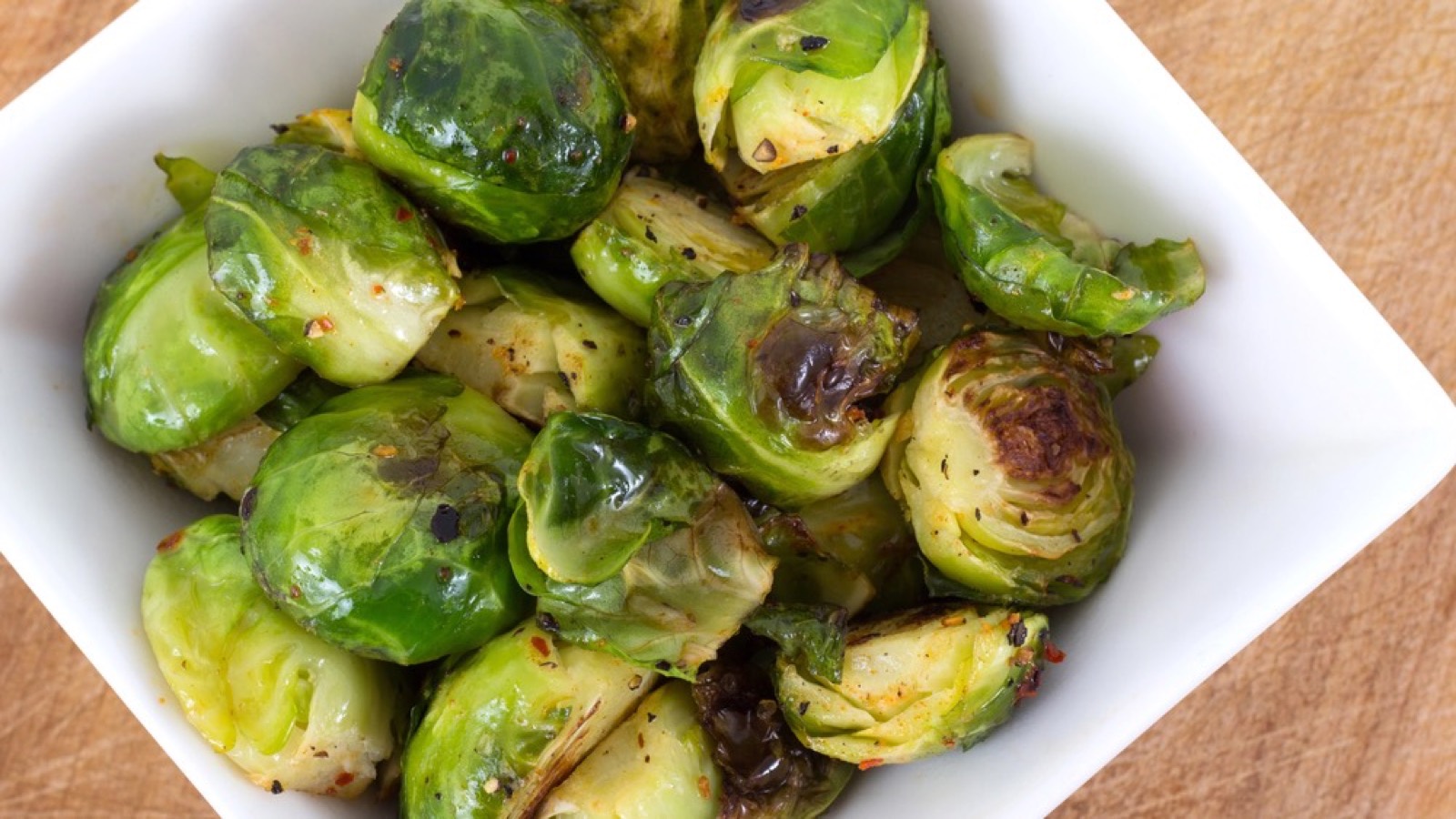
Brussels sprouts have long had a reputation as one of the most disliked vegetables, and plenty of moms secretly agree. Yet countless mothers have served them with a smile, eating a forkful and declaring them delicious in hopes that their children would do the same.
The good news is that Brussels sprouts have become more popular in recent years, partly because roasting them gives them a crispy, nutty flavor that’s much tastier than the boiled versions many people grew up with. Some moms who pretended to like them discovered that, prepared the right way, they actually do.
2. Liver and Onions
In earlier generations, liver and onions showed up on dinner tables regularly because it was cheap and filling. Many mothers served it to their families and acted like it was a treat. Behind the scenes, plenty of them weren’t fans at all.
Children who grew up eating liver often remember it as one of the most dreaded meals of the week. Some later learned that their mothers didn’t enjoy it either and only ate it to set an example. Today, liver and onions is far less common on family tables, though some older diners still order it at the local diner.
3. Cooked Spinach
Cooked spinach was once a staple vegetable in many homes, thanks in part to Popeye, the cartoon sailor who got his strength from a can of spinach. Mothers often served it to their kids and talked it up as something that would make them big and strong.
But many moms found canned or boiled spinach just as unappealing as their kids did. The soft, slimy texture wasn’t exactly appetizing. Some mothers ate it with a straight face anyway, hoping their example would win the kids over.
4. Beets
Beets are a vegetable people seem to either love or hate. Their earthy flavor and bright red color can be off-putting to kids, and plenty of moms aren’t fans either. Still, many mothers have served pickled or boiled beets and acted enthusiastic about them.
Some families grew up eating beets from the garden or from jars of home-canned pickled beets. Mothers who canned them had extra reason to make sure they got eaten. Kids who refused them often noticed that Mom ate just a small spoonful herself.
5. Lima Beans
Lima beans, sometimes called butter beans in the South, have been a source of dinner table battles for generations. Many kids found their mealy texture unpleasant, and some moms quietly agreed. Still, lima beans showed up regularly in succotash, soups and as a side dish.
Mothers who served them often put on a brave face and ate them with enthusiasm. Some even mixed them with corn or butter to make them more appealing. Plenty of adults still remember pushing lima beans around their plates while Mom insisted they were good.
6. Fish Sticks and Canned Tuna Casserole
For busy moms, fish sticks and tuna casserole were easy, affordable dinners. Kids often liked fish sticks with ketchup or tartar sauce, but not every mom enjoyed eating them herself. Tuna casserole, with its creamy sauce and crunchy topping, was another dish some moms tolerated rather than loved.
Many mothers ate these meals alongside their kids anyway, knowing they were filling and cheap. Fish sticks were often served on Fridays, especially in Catholic households. Plenty of grown children were surprised to learn years later that Mom never really liked them.
7. Cottage Cheese
Cottage cheese was once considered a healthy, light lunch, especially in the 1960s and 1970s. Many mothers ate it with canned peaches or pineapple and encouraged their kids to try it. But its lumpy texture made it hard for many children to love, and plenty of moms felt the same way.
Some mothers served cottage cheese because it was cheap and filling, not because they enjoyed it. They’d eat a few spoonfuls with fruit, smile and hope their kids would follow suit. Many children still turned up their noses.
8. Plain Vegetables Without Sauce
Many moms trying to encourage healthy habits served vegetables plain, without butter, cheese sauce or seasoning. They’d eat steamed broccoli, carrots or green beans and act like they were the tastiest things on the plate. Secretly, many would have preferred a little butter or salt.
Today, plenty of parenting experts suggest that letting kids try vegetables with dips, sauces or seasoning can make them more appealing. The American Academy of Pediatrics notes that children often need to be offered a new food many times before they accept it, so patience matters more than perfection.
Why Moms Do It
Children learn by example, and mothers know that modeling good eating habits can encourage kids to try new foods. If a child sees a parent enjoying a vegetable, they may be more willing to taste it. That’s why so many moms have put on a show at the dinner table.
There’s also the simple fact that mothers often eat whatever is on the family’s plate. They cook for everyone, and they don’t have time to make separate meals for themselves. So they eat the vegetables, the casserole and the fish sticks right along with the kids.
The Truth Comes Out Later
Many grown children have had a laugh when they learned that Mom never actually liked liver or Brussels sprouts. These confessions often come out at family dinners or holidays, sparking stories about childhood meals and dinner table standoffs.
For many families, these stories become part of their shared history. They’re a reminder of how hard mothers worked to raise healthy kids, even if it meant eating foods they didn’t love. And plenty of those kids, now parents themselves, find they’re doing the very same thing at their own tables. It’s one of those things kids today may never experience in quite the same way.