8 Foods That Were Once Considered Embarrassing to Eat but Are Popular Today
Food has a funny way of changing its reputation. Dishes that one generation considered fit only for the poor, the desperate, or the unlucky can become expensive restaurant favorites a few decades later. What was once hidden from guests can end up as the star of a trendy menu.
Many of these foods were eaten out of necessity. They were cheap, plentiful, or made from scraps that wealthier families did not want. People who grew up eating them sometimes felt embarrassed to admit it, especially in front of friends from more comfortable homes.
Times have changed, and many of these humble foods are now celebrated. Here are eight foods that were once considered embarrassing to eat but are popular today, along with the surprising stories behind their rise.
1. Lobster
It is hard to imagine now, but lobster was once cheap and ordinary in colonial New England. Lobsters were so plentiful along the coast that colonists used them as fertilizer and fish bait, and their low price came from sheer abundance. You may have heard that lobster was fed only to prisoners and servants, but historians quoted by Tasting Table say there is little real evidence for that popular story.
What is clear is that lobster’s image changed in the late 1800s. Canning, railroads, and the rise of seaside tourism introduced lobster to diners who had never tasted it, and by the 1880s restaurants on the East Coast were serving it as a luxury. Today, lobster is one of the most expensive items on many restaurant menus, a far cry from its humble beginnings.
2. Oysters
In the 1800s, oysters were cheap, everyday street food in cities like New York. Oyster cellars and street carts sold them by the dozen for pennies, and they were eaten by working people of all backgrounds. They were so common that they hardly seemed special.
Overharvesting and pollution later destroyed many oyster beds, making them far less plentiful. As supply dropped, prices rose, and oysters gained a fancy reputation. Today, raw oyster bars are associated with celebrations and high-end dining.
3. Chicken Wings
For many years, chicken wings were considered one of the least desirable parts of the bird. Butchers often sold them cheaply or used them for soup stock. Few people would have ordered a plate of wings at a restaurant.
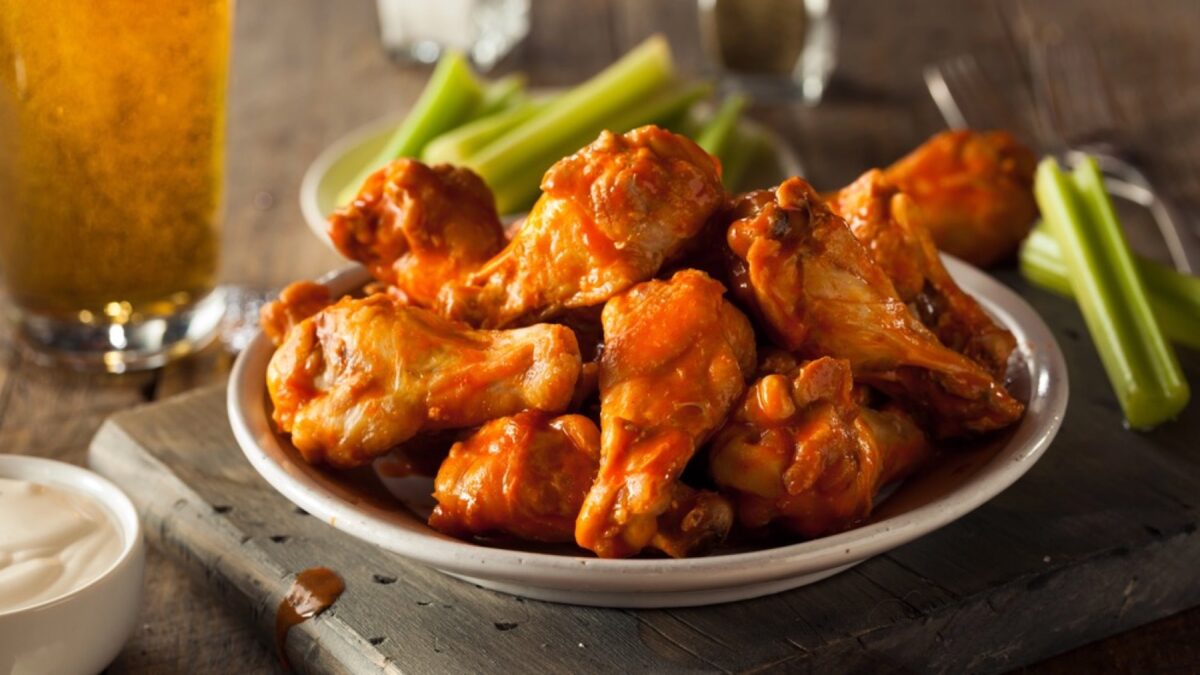
That changed in 1964, when the Anchor Bar in Buffalo, New York, began serving wings fried and tossed in spicy sauce. Buffalo wings became a sensation, and they are now a staple at sports bars and Super Bowl parties nationwide. Demand has grown so much that wings are sometimes more expensive per pound than other chicken parts.
4. Oxtail
Oxtail was long considered a scrap cut, and it was often sold cheaply to families who knew how to cook it slowly. In Southern, Caribbean, and many immigrant kitchens, cooks braised it for hours until the meat became rich and tender. It was a smart way to make an inexpensive cut taste wonderful.
As oxtail stews and braises gained attention from chefs and food lovers, demand increased. Prices climbed, and some shoppers who grew up eating oxtail now find it surprisingly expensive. What was once an affordable family meal has become a sought-after dish.
5. Sardines and Tinned Fish
For many years, canned sardines were seen as a cheap, slightly embarrassing food. They were associated with Depression-era meals, budget lunches, and older relatives who ate them straight from the tin. Opening a can at work could earn you a few strange looks.
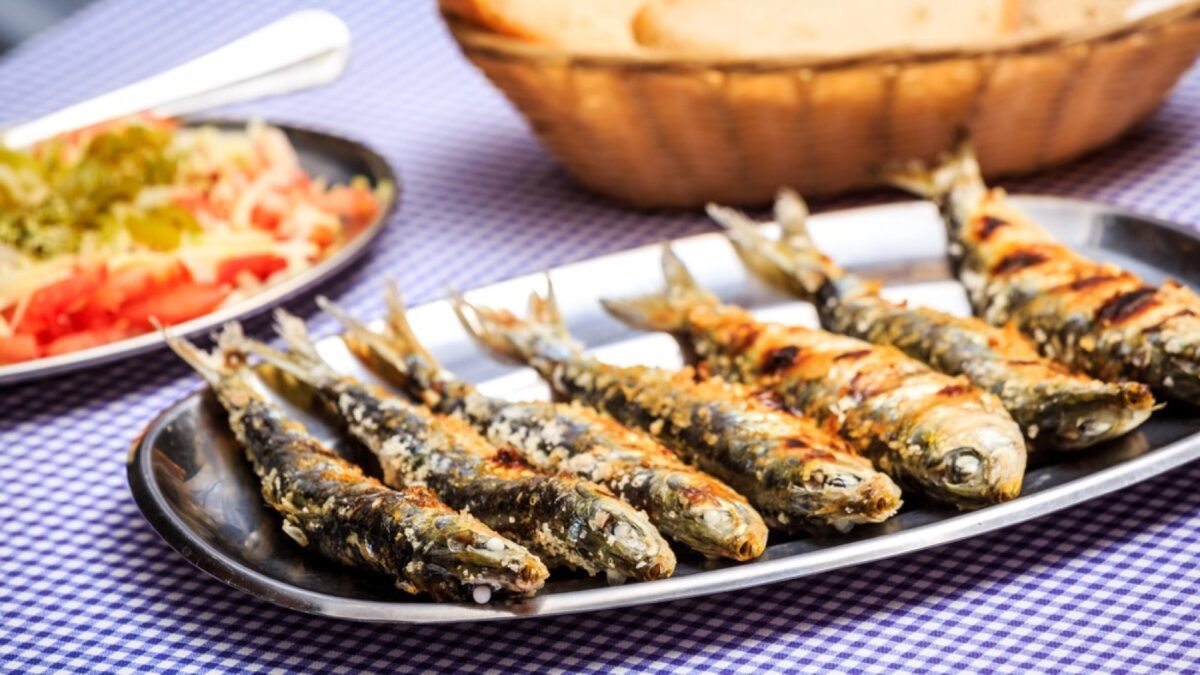
In recent years, tinned fish has become trendy. Fancy imported sardines, mackerel, and anchovies are sold in colorful packaging, and some restaurants now serve “tinned fish boards” as appetizers. Younger diners have embraced the same foods their grandparents relied on to stretch a budget.
6. Pork Belly
Pork belly is the cut that bacon comes from, but for a long time, the fatty meat itself was considered a cheap, lowly cut. It was commonly used in humble dishes and was rarely seen on fine dining menus in America.
In the early 2000s, chefs began serving slow-roasted and crispy pork belly in upscale restaurants. It quickly became fashionable, showing up in everything from tacos to ramen. Today, it is often one of the most expensive dishes on the menu.
7. Brisket
Brisket is a tough cut of beef from the chest of the animal, and it was once sold cheaply because it required long, slow cooking to become tender. Jewish families braised it for holidays, and Texas pitmasters smoked it for hours. For most shoppers, it was not considered a premium cut.
As Texas barbecue gained national fame, brisket’s popularity soared. People now line up for hours at famous barbecue joints to buy it by the pound. Prices have risen accordingly, and brisket is now considered a prized cut rather than a bargain.
8. Kale
For years, kale was best known in many American restaurants as a garnish. It sat on salad bars and plates for decoration, and many diners never actually ate it. Some people considered it bitter, tough, and old-fashioned.
In the 2000s and 2010s, kale became a health food star. It appeared in salads, smoothies, chips, and juice bars across the country. Today, it is a common ingredient in grocery stores and restaurants, proof that even a forgotten green can have a second act.
Why Food Reputations Change
Several forces can turn a humble food into a fashionable one. Scarcity is a big one, because foods that become harder to get often become more expensive and more desirable. Transportation also plays a role, since railroads, refrigeration, and air freight made it possible to sell once-local foods across the country.
Chefs and food media can change public opinion quickly as well. When a popular restaurant or television cook puts an overlooked ingredient in the spotlight, diners often follow. Social media has sped up that process, turning foods like tinned fish into trends almost overnight.
There is often a bittersweet side to these changes. Families who relied on cheap cuts and simple ingredients sometimes find that the foods they grew up on are now priced out of reach. It is a reminder of how resourceful earlier generations were, and why so many poor people foods are now enjoyed by the wealthy too. For boomers, some of these shifts are part of a bigger pattern of things boomers loved that have changed in meaning over the decades.
Humble Beginnings, Fancy Futures
The story of these foods shows that reputation is often more about fashion than flavor. Many of them were always delicious, but it took time, new cooking methods, and changing attitudes for people to appreciate them.
Many of these foods were always delicious, but it took time, new cooking methods, and changing attitudes for people to appreciate them. They remind us to value the resourceful cooks who made them taste wonderful long before they were trendy.