Aldi vs. Lidl: How the Two Discount Grocers Compare
Aldi and Lidl can look remarkably similar at first glance. Both have German discount-grocery roots, streamlined stores, and a strong focus on keeping prices competitive.
But the shopping experience is not identical. Aldi puts more emphasis on a tightly curated selection and private-label products, while Lidl offers a broader mix that includes national brands, imported products, a prominent bakery, and app-based rewards.
For shoppers deciding where to spend their grocery budget, the better fit may come down less to which store is “cheaper” and more to how they like to shop.
Aldi Is Easier to Find
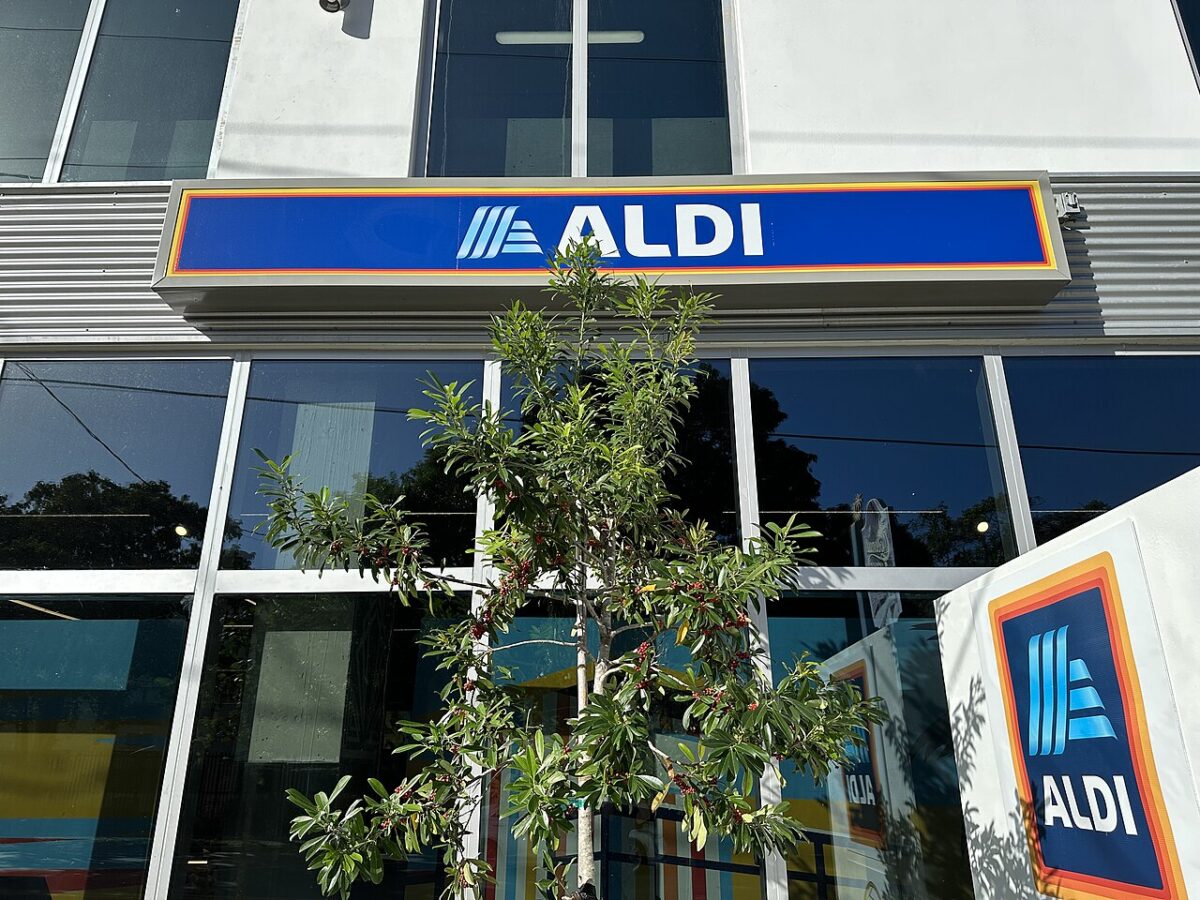
Aldi has the substantially larger U.S. footprint, with about 2,700 stores and continued expansion planned. Lidl has more than 200 U.S. locations concentrated across nine East Coast states.
That difference matters before you even compare what is inside the stores. Aldi is simply the more widely available option for shoppers across the United States, while Lidl’s appeal depends more heavily on whether there is a location nearby.
Related: 6 U.S. Cities with Remarkably Affordable Grocery Prices
Aldi Puts Private Labels Front and Center
Aldi’s shelves are built primarily around Aldi-exclusive and private-label products. Instead of offering a huge number of competing brands within every category, the chain keeps its selection relatively focused.
For shoppers who are comfortable buying store brands, that streamlined approach can make a grocery trip straightforward. It also means someone looking for a specific national brand may have fewer choices than they would at a conventional supermarket.
Lidl Offers More Familiar Brands
Lidl also relies heavily on private-label products, but its assortment includes more familiar national brands, imported foods, and specialty products.
That gives Lidl a somewhat different feel for shoppers who want discount-oriented shopping while still having access to recognizable packaged brands. It is not necessarily better—it simply provides a different mix of choices.
Lidl’s Bakery Is a Major Difference
One of the clearest distinctions is Lidl’s fresh in-store bakery. Bakery goods are a major part of the shopping experience, with breads and pastries baked throughout the day.
Aldi is not primarily built around this kind of bakery experience. For shoppers who like picking up fresh bakery items alongside their regular groceries, Lidl offers something noticeably different.
The Savings Systems Work Differently
Aldi emphasizes everyday low prices, price drops, and its rotating ALDI Finds rather than a traditional points-and-coupons approach.
Lidl takes a more app-driven route. Lidl Plus offers rewards, digital coupons, member offers, personalized deals, and digital receipts.
Neither approach is automatically better. Aldi can suit shoppers who want to keep the trip simple, while Lidl Plus can appeal to people who are willing to use an app to track available offers.
Both Have a Treasure-Hunt Element
Neither store is simply about filling a cart with the same groceries every week. Both use rotating products and limited-time promotions to give shoppers something different to discover.
At Aldi, ALDI Finds can include seasonal foods, kitchen products, home goods, and other limited-time merchandise. Lidl similarly rotates promotions that can include kitchen items, home products, apparel, seasonal merchandise, and limited-run foods.
The catch is that these products depend on inventory. A shopper may find something interesting one week and not see it again later, so these sections work best as a browse-and-discover part of the trip rather than a guaranteed shopping list.
Aldi Is More Streamlined
Aldi’s tighter assortment is one of its defining characteristics. With fewer choices in many categories and a strong emphasis on its own brands, the store is designed around a relatively focused shopping experience.
That can be appealing when the goal is to get groceries and move on. Someone who prefers comparing numerous brands, package options, and specialty products may find Lidl’s broader selection more appealing instead.
The important point is that this is a shopping-style difference, not automatically a disadvantage.
Lidl Feels Closer to a Conventional Grocery Store
Lidl combines private-label products with produce, meat, seafood, imported foods, national brands, bakery items, and app-based promotions.
That broader mix can make the store feel more like a traditional grocery store while retaining its discount-grocery identity. It may appeal to shoppers who want to complete a wider grocery list in one trip.
As with Aldi, however, individual assortments can vary by store, so shoppers should not assume every location carries every product or department.
So, Which One Should You Choose?
The answer depends on what you want from the shopping trip.
Aldi may be the better fit for someone who prefers a fast, focused shop built around private-label products and straightforward pricing. Lidl may be more appealing to shoppers who enjoy bakery goods, a broader mix of familiar brands and imported products, and app-based promotions.
Neither retailer should automatically be labeled the cheaper option for every grocery list. The real comparison depends on local prices, current promotions, brand preferences, and what you actually need to buy that week.
For one shopper, the streamlined Aldi trip may be the clear winner. For another, Lidl’s broader selection and bakery may make the extra browsing worthwhile.