8 Old-Fashioned Foods That Still Offer Practical Value After 60
Some foods never seem to go out of style in the kitchens of older Americans. They sit quietly on pantry shelves, rarely advertised and rarely talked about, yet they keep showing up in grocery carts year after year. Many of them were everyday staples in the homes of our parents and grandparents.
There is a good reason these foods have stayed around. They are inexpensive, easy to store, simple to prepare, and often packed with nutrients that matter more as we get older. For people over 60 who are cooking for one or two, they can be a real help. Here are eight old-fashioned foods that still offer practical value after 60, and how to make the most of them.

1. Canned Salmon
Canned salmon was a pantry staple for generations, used in salmon patties, loaves, and salads. It’s affordable and lasts a long time without refrigeration. It’s also ready to eat, which makes it convenient for quick meals.
Canned salmon is rich in protein and omega-3 fats. When the soft bones are included, it also provides calcium, which helps support bone health. The NIH notes that canned salmon and sardines with bones are good sources of calcium.
2. Prunes
Prunes have long had a reputation as a food for older people, and many people joke about them. But they offer real benefits. Prunes are high in fiber and natural sorbitol, which can help support digestion.
Research has also looked at prunes and bone health in older women. A few prunes a day can be eaten as a snack or added to oatmeal and baked goods. Many grocery stores now sell them as “dried plums” to give them a fresher image.
Prunes are also convenient to keep on hand because they last for months in the pantry. They can be chopped into muffins, stirred into stews, or eaten straight from the bag. Starting with just a few at a time is wise, since too many can upset the stomach.
3. Cream of Wheat
Cream of Wheat has been around since 1893 and is still a familiar breakfast for many people. It’s a warm, smooth hot cereal made from farina. It cooks quickly and is easy to digest.
Many versions are fortified with iron and other nutrients. It’s gentle on the stomach, which makes it a good choice for people with dental issues or digestive problems. Adding fruit, nuts, or a little milk can make it more filling.
4. Peanut Butter
Peanut butter has been a staple in American homes for more than a century. It’s affordable, shelf-stable, and easy to use. A spoonful on toast, apples, or crackers makes a quick snack or meal.

Peanut butter provides protein and healthy fats. It’s also easy to eat for people who may have trouble chewing tougher foods. Choosing natural varieties with fewer added ingredients can make it even healthier.
Peanut butter also lasts a long time, which makes it useful for people who don’t shop often. An unopened jar keeps for months in the pantry. Natural peanut butter may separate, so stirring it well and storing it in the refrigerator helps.
5. Canned Peaches in Juice
Canned peaches were a common dessert and side dish in many homes. Today, many brands offer peaches packed in juice or water instead of heavy syrup. They are soft, sweet, and easy to eat.
Canned fruit can be a convenient way to add fruit to the diet. It lasts a long time and doesn’t spoil like fresh fruit. It can be eaten on its own, added to yogurt, or served with cottage cheese.
6. Cabbage
Cabbage was a staple in many households because it was cheap and lasted a long time. It can be cooked, shredded into coleslaw, or added to soups. A single head can be used in several meals.
Cabbage is rich in fiber and vitamin C. It’s also low in calories, making it a healthy addition to meals. Its long shelf life makes it ideal for people who don’t shop often.
A single head of cabbage can become coleslaw one day, soup the next, and a stir-fry later in the week. It is also inexpensive, even when other vegetable prices climb. For people cooking for one or two, that kind of flexibility is valuable.
7. Powdered Milk
Powdered milk was once common in many pantries, especially during times of shortage. It’s shelf-stable and can be mixed with water as needed. It’s also useful in baking and cooking.
For people who don’t drink milk often, powdered milk can prevent waste. It provides calcium and protein. Keeping a box in the pantry ensures you always have milk on hand.
Powdered milk is also handy during winter storms or emergencies, when getting to the store may be difficult. Many people keep a box alongside canned goods and bottled water. It is one of those pantry items that you rarely think about until you need it.
8. Barley
Barley is an old-fashioned grain often used in soups and stews. Many people remember their mothers making beef and barley soup. It has a chewy texture and nutty flavor.
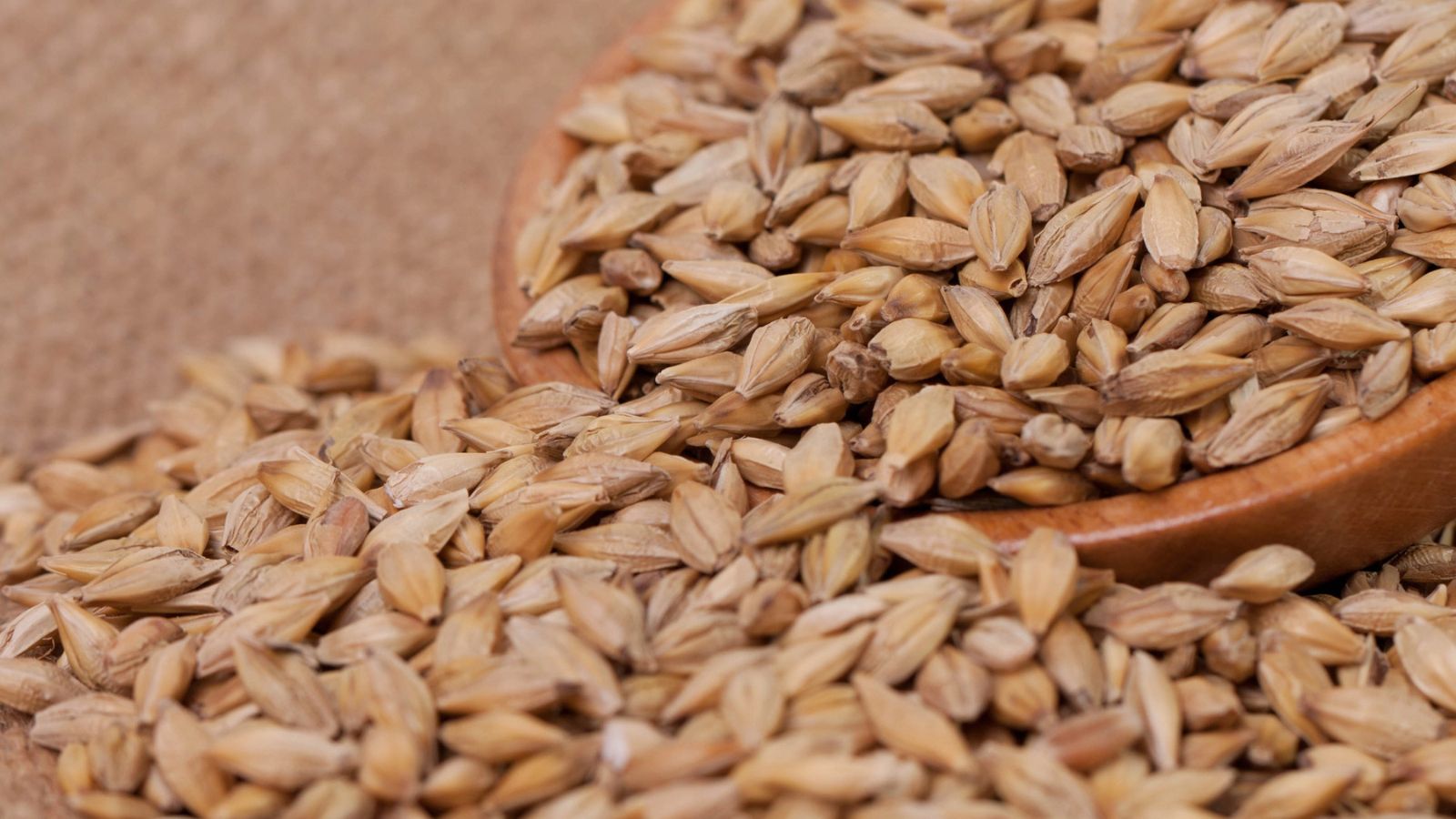
Barley is high in fiber, especially a type called beta-glucan. According to the FDA, foods with soluble fiber from barley may help reduce the risk of heart disease when part of a diet low in saturated fat and cholesterol. It’s an easy way to make soups more filling.
Pearl barley cooks in about 45 minutes and can be made in large batches. Leftover barley can be added to salads or reheated as a side dish. It is a filling, affordable grain that deserves more attention.
Why These Foods Still Make Sense
These old-fashioned foods offer practical benefits for people over 60. They are affordable, easy to store, and simple to prepare. Many also provide important nutrients for healthy aging.
Some of these foods also appear on lists of calcium-rich staples beyond milk. Eating well is one of the simplest ways to protect your heart as you age. Which of these foods do you still keep in your pantry?