8 Reasons Older Americans Miss the 90s
The 1990s feel like a half-remembered summer afternoon now, glowing somewhere between childhood freedom, mall food courts, family sitcoms, and the sound of a dial-up modem fighting for its life. For many older Americans, the decade was not perfect, but it often feels simpler, warmer, and easier to understand than the world they live in today. The pace was slower, the screens were smaller, and people still had enough quiet in their lives to hear themselves think.
Nostalgia has a way of polishing the past until even the rough edges shine. Still, there are real reasons many Americans look back at the 90s with affection. The decade gave people a sense of community, cultural excitement, financial possibility, and personal freedom that feels harder to find now. Here are eight reasons older Americans still miss the 90s.
Life Felt Less Digitally Exhausting
One of the biggest reasons older Americans miss the 90s is that life didn’t follow them around in their pockets. Phones stayed on kitchen walls, answering machines handled missed calls, and people could leave the house without feeling tracked, pinged, or expected to reply instantly. Work ended more clearly because emails were not always waiting after dinner. Social life had breathing room because people were not constantly comparing themselves to strangers online.
The 90s had technology, but it had boundaries. Computers were exciting, video games were fun, and the internet felt like a strange new doorway rather than a daily pressure cooker. People logged on, explored, then logged off. That separation made everyday life feel more grounded. Older Americans often miss that feeling of being reachable only when they choose to be, not every minute of the day.
Music Felt Like a Shared Cultural Event
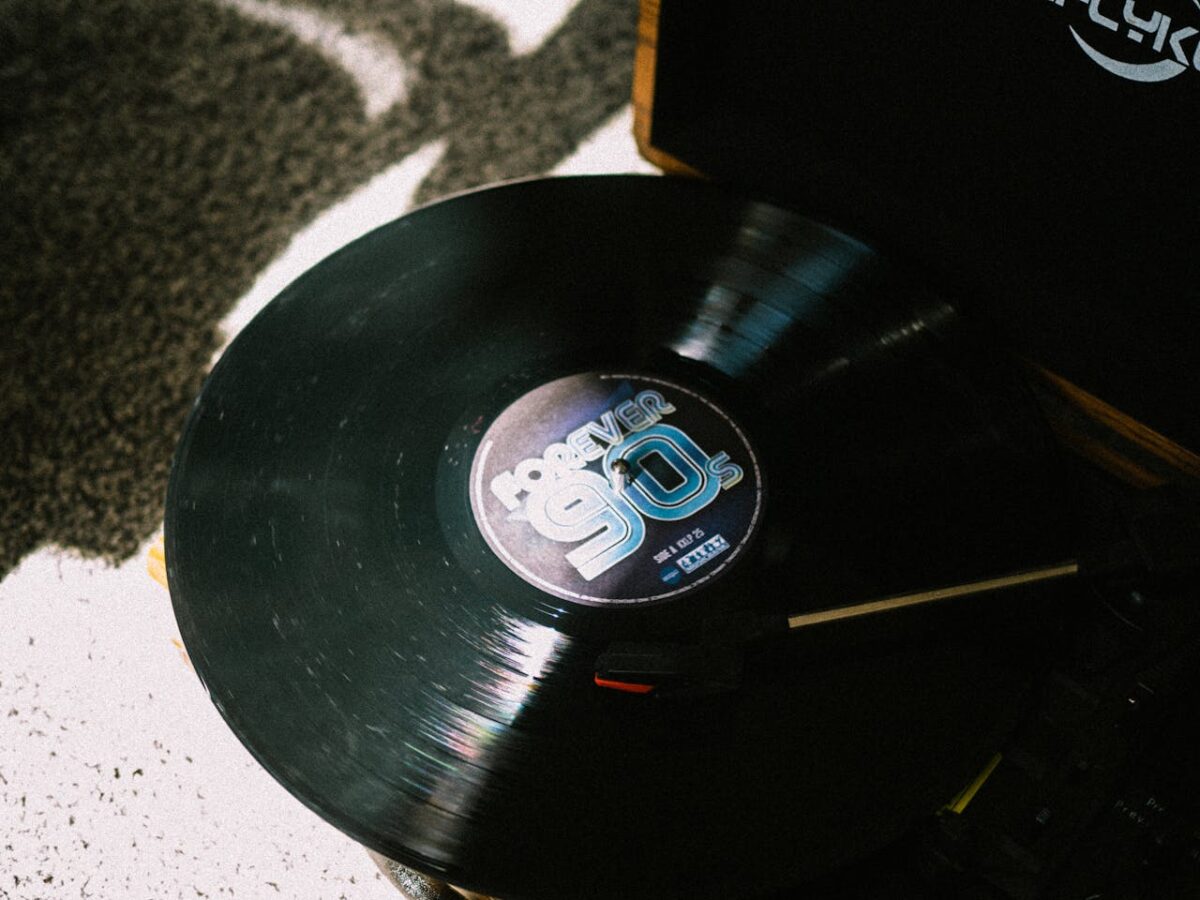
The 90s gave America a soundtrack that still refuses to fade. Hip-hop expanded into a major cultural force, grunge changed rock forever, country crossed into the mainstream, R&B ruled the radio, and pop stars became household names. People bought CDs, made mixtapes, watched MTV, and waited for their favorite songs to come on the radio. Music felt physical, social, and personal all at once.
Older Americans miss that shared experience because music today often feels scattered across apps, playlists, and algorithms. In the 90s, a hit song could unite a school bus, a workplace, a party, and a whole neighborhood. Everyone knew the chorus. Everyone saw the same music videos. Everyone had an opinion. The decade made music feel like a public conversation, not just background noise in earbuds.
Families Gathered Around the Same Shows
Television in the 90s had a special kind of power. Families and friends built routines around shows like Friends, The Fresh Prince of Bel-Air, Seinfeld, Frasier, ER, The Simpsons, and Home Improvement. People watched episodes when they aired because missing them actually meant missing them. The next day, coworkers and classmates talked about what happened, which made TV feel like a shared national ritual.
Streaming has made entertainment more convenient, but it has also made it lonelier. Everyone watches different shows at different times, often on different devices in different rooms. Older Americans miss the old rhythm of sitting together, laughing together, and waiting a full week for the next episode. The 90s turned television into a gathering place, and that kind of collective viewing feels rare now.
Shopping Malls Felt Like Social Worlds

For many Americans, the 90s mall was more than a place to shop. It was a social universe with food courts, arcades, record stores, movie theaters, clothing shops, perfume counters, and groups of teenagers walking in circles like they owned the place. Parents ran errands, kids met friends, and families made a whole afternoon out of wandering under bright lights and glass ceilings.
Older Americans miss malls because they represented a kind of public life that online shopping cannot replace. Buying something was part of the experience, but not the whole experience. People bumped into neighbors, tried on clothes, flipped through albums, grabbed soft pretzels, and watched the world pass by. The 90s mall felt alive in a way that today’s one-click convenience often does not.
Childhood Felt More Independent
Many older Americans remember the 90s as a time when kids had more room to roam. Children rode bikes until the streetlights came on, played outside without constant adult supervision, and solved small problems without immediately texting a parent. Sleepovers, backyard games, playground arguments, and neighborhood friendships shaped childhood in a hands-on way. There was risk, but there was also confidence.
Today, many parents feel pressured to monitor every moment, schedule every activity, and protect children from every possible danger. Older Americans often miss the looser style of childhood they saw or experienced in the 90s. Kids learned independence by practicing it. They got bored, got creative, got dirty, and figured things out. That freedom now feels like a lost luxury.
Prices Felt More Manageable
The 90s are remembered by many as a time when everyday life felt more affordable. Groceries, gas, movie tickets, rent, and college costs did not carry the same emotional weight they do for many families today. Of course, not everyone was financially comfortable, and many people still struggled. Still, many older Americans felt that hard work offered a clearer path to stability.
That sense of possibility matters. A family could imagine buying a home, taking a modest vacation, raising kids, or saving money without feeling crushed by every bill. Older Americans miss the confidence that came with a more manageable cost of living. The 90s felt like a decade where ordinary people could still believe the ladder was there, even if climbing it took effort.
Pop Culture Had a Playful Personality
The 90s had a weird, colorful, unapologetically playful personality. From slap bracelets and Beanie Babies to Saturday morning cartoons, boy bands, sitcom catchphrases, blockbuster movies, and outrageous fashion, the decade did not always try to be polished. It was loud, goofy, experimental, and fun. Even the ads, toys, and snacks seemed to have more personality.
Older Americans miss that playful energy because much of today’s culture feels heavily managed, branded, and filtered. The 90s had plenty of marketing, but it also had a strange, homemade charm. Trends spread through schools, magazines, TV, and word of mouth. People did not need a viral algorithm to make something popular. A silly catchphrase, a movie scene, or a song lyric could travel everywhere on its own.
People Felt More Present in Ordinary Moments
Perhaps the deepest reason older Americans miss the 90s is that people seemed more present. Dinner conversations were not interrupted by constant notifications. Concerts were watched with eyes, not phone cameras. Road trips required maps, patience, and actual conversation. Waiting in line meant people-watching, not scrolling. Ordinary boredom left space for thought, humor, and connection.
That presence is what many people crave now. The 90s were not a perfect decade, and nostalgia can blur the truth, but the emotional memory is powerful. People remember feeling less rushed, less watched, and less overloaded. They remember moments that belonged fully to the people inside them. In a world that now moves too fast, that slower presence feels almost precious.
Conclusion
Older Americans miss the 90s because the decade represents more than old music, sitcoms, malls, and fashion trends. It represents a feeling many people believe has slipped away. Life seemed more personal, entertainment felt more shared, technology felt useful instead of consuming, and social connections had more face-to-face texture. Even the small things, like renting a movie, calling a friend on a landline, or walking through a mall with no real plan, carried a kind of charm that is difficult to recreate.
The 90s were not flawless. The decade had its own problems, tensions, and struggles, just as every era does. Still, memory often holds on to what people need most, and for many older Americans, the 90s symbolize freedom, simplicity, optimism, and human connection. That is why the decade still pulls at the heart. It reminds people of a time when life felt a little less noisy, a little less demanding, and a lot easier to enjoy.