9 Boomer Habits Millennials Quietly Can’t Stand
Boomer habits can turn an ordinary family visit into a full emotional obstacle course. One minute, we are laughing because Dad signs every text like a formal letter, and the next, we are staring at a pantry full of crackers that expired during the Obama administration. These little generational clashes feel funny because they are familiar, but they also reveal how differently boomers and millennials learned to handle money, technology, safety, communication, and family life.
The gap is not imaginary. Baby boomers, born between 1946 and 1964, remain one of the most visible generations in American family life, and the U.S. population continues to age as millions move deeper into retirement. In 2024, Americans age 65 and older reached 61.2 million, making up 18 percent of the population, and smartphone use has also reshaped family habits: 91 percent of U.S. adults own a smartphone, and 70 percent of adults 65 and older do too.
They Save Every Jar, Box, Bag, and Container as if a Crisis Is Coming

Few boomer habits test millennial patience faster than the sacred cabinet of “useful” containers. We open one kitchen drawer looking for a measuring spoon and find washed butter tubs, yogurt cups, glass jars, plastic lids that fit nothing, and enough grocery bags to supply a small farmers’ market. To millennials who grew up with minimalism videos, tiny apartments, and storage anxiety, this habit can look like clutter dressed up as preparedness.
Still, this behavior makes more sense when we consider the emotional logic behind it. Many boomers grew up around parents who remembered scarcity, rationing, tight household budgets, or the old rule that nothing should be wasted if it might save money later. A clean jar was not trash. A sturdy box was not trash. A plastic bag was definitely not trash. So we may roll our eyes, but we are also looking at a survival instinct that got passed down through family kitchens.
They Send Terrifying Texts for Completely Harmless Reasons
A millennial can lose three years of peace from one boomer text that says, “Call me now.” We imagine an accident, a hospital visit, a family emergency, or some dramatic news that requires immediate emotional preparation. Then we call back and discover Mom wanted to know whether the chicken should be thawed on the counter or in the fridge.
This habit frustrates millennials because digital communication has its own emotional code. A short, urgent message carries weight. Boomers often treat texting like a pager, a sticky note, or a landline message. They send the headline without the context because they assume the real conversation will happen by voice. We read it like a breaking news alert. They read it like a normal request.
They Keep Expired Food Like Expiration Dates Are Suggestions From Weak People

Every family has that one refrigerator where the condiments look old enough to vote. A millennial reaches for mustard, checks the date, and discovers it expired several summers ago. The boomer response is usually calm, confident, and horrifying. “It’s fine,” they say, as if mold, separation, smell, and time are all part of the seasoning process.
Food habits reveal a huge generational divide around waste. Boomers often grew up hearing that throwing food away was irresponsible unless it was clearly spoiled beyond debate. Millennials tend to trust printed dates, food safety guidance, and the general principle that a $4 jar of salsa is not worth the risk of gastrointestinal roulette. The real conflict is not about pickles or salad dressing. It is about whether caution or thrift gets the final vote.
They Complain About Phone Addiction, Then Scroll for Hours
Boomers built an entire moral lecture around “kids these days and their phones,” only to become some of the most dedicated Facebook scrollers in the living room. We visit, sit down, start a conversation, and watch them respond to church group messages, watch videos at full volume, read neighborhood posts, or comment on photos from people they barely know. The phone they once blamed for society’s downfall now lives permanently in their hands.
This habit hits millennials differently because we spent years being criticized for our digital lives. Now the same parents who warned us about screens may interrupt dinner to forward a meme or fact-check a weather rumor. The larger truth is that smartphones changed everyone, not just younger people. Pew’s 2025 mobile data shows that smartphone ownership now reaches deep into older age groups, including 78 percent of adults 65 and older.
They Still Divide Chores Into “Men’s Work” and “Women’s Work”

Some boomer households still operate with invisible job titles. Men handle cars, lawns, repairs, grilling, and tools. Women handle cooking, laundry, appointments, cleaning, birthdays, holiday planning, emotional labor, and the entire family memory bank. Millennials often find this exhausting to watch because many younger couples aim for a more flexible partnership.
The frustration grows when the roles become rigid rather than practical. Nobody minds if one person loves yardwork and the other loves cooking. The problem starts when basic adult skills get treated like gendered territory. A grown man who cannot do laundry is not charming. A grown woman expected to manage every birthday, meal, and family update is not simply “better at it.” She is carrying a system.
They Leave the TV On Like It Is a Family Member
In many boomer homes, the TV is never truly off. It hums in the background during breakfast, lunch, dinner, phone calls, naps, chores, and conversations. Crime reruns, weather coverage, cable news, home renovation shows, game shows, and cooking competitions create a permanent soundtrack. Millennials walk in and immediately wonder how anyone can think with that much background noise.
For boomers, TV often represents company, routine, comfort, and continuity. It was the household centerpiece for decades, long before every person had a personal screen. Millennials stream intentionally. Boomers often let television fill the room. That difference explains why one generation asks, “Are we watching this?” and the other answers, “No, it’s just on.”
They Watch the Weather Like a National Security Briefing

Some boomers do not check the weather. They monitor it. They track storm systems, compare forecasts, announce humidity levels, follow radar maps, and treat a chance of rain like a developing diplomatic crisis. If severe weather is forecast in any of a few counties, the household may shift to full alert mode.
This habit is funny until we remember how much daily life once depended on the weather without instant updates. Travel, yardwork, school closings, farming communities, power outages, and home safety all felt more uncertain before everyone had radar in their pocket. Millennials check an app and move on. Boomers want the full broadcast, the local meteorologist, the crawl at the bottom of the screen, and one last look outside for confirmation.
They Remember One More Thing After the Goodbye Is Already Finished
Leaving a boomer parent’s house can take longer than the visit itself. We hug, gather our keys, walk to the car, start the engine, reverse halfway down the driveway, and suddenly the front door opens again. One more thing. One last question. One forgotten bag. One warning about traffic. One reminder about a cousin’s birthday.
This habit sits somewhere between irritating and deeply touching. The delayed goodbye often carries emotion that boomers may not say directly. Instead of “I miss you already,” they say, “Did you take the leftovers?” Instead of “Drive safely because I worry,” they say, “Text me when you get home.” Millennials may hear interruption, but the subtext is often attachment.
They Retell the Same Family Stories With Total Confidence
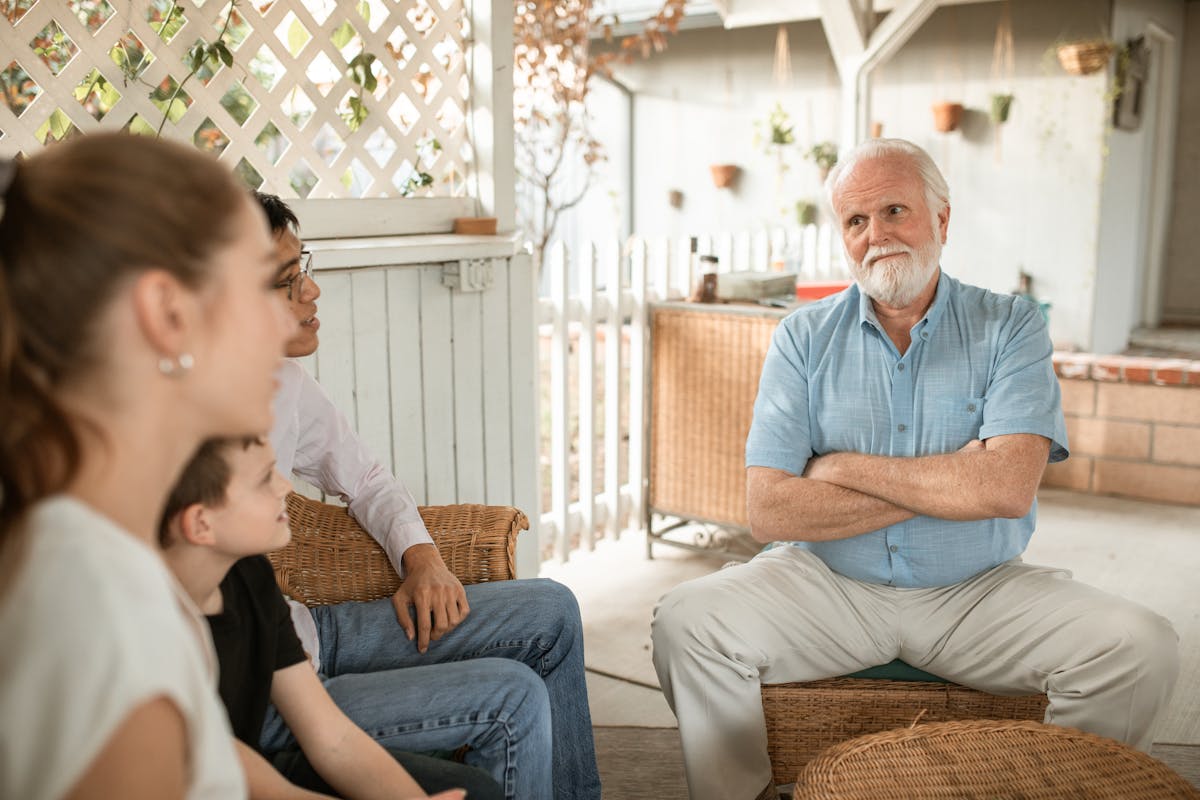
Boomer parents often have a greatest hits album of family stories. We have heard the story about the old neighbor, the bad boss, the childhood injury, the first apartment, the terrible road trip, and the time someone ruined Thanksgiving. They tell it again anyway, with the same pauses, the same dramatic details, and the same ending we could recite under oath.
Millennials may find repetition annoying, but these stories often function as family glue. They preserve identity. They keep old relatives alive in conversation. They pass along warnings, values, humor, and history. The trick is learning which stories deserve patience and which need a gentle shift in subject before we hear the casserole disaster for the 400th time.
Final Takeaway
Boomer habits can be maddening, but they are rarely random. Most of them grew from older ideas about safety, manners, thrift, communication, family duty, and control. Millennials may not want the TV running all day, the pantry stocked with expired soup, or every text message signed like a Christmas card, but we can still recognize the emotional logic underneath.
The real challenge is not deciding which generation is right. It is learning how to laugh without being cruel, set boundaries without being dismissive, and notice the affection hiding inside the quirks. One day, millennials will have their own habits that younger people mock with surgical precision. Until then, we can answer the terrifying text, accept the printed recipe, quietly check the expiration date, and maybe keep one good box just in case.