8 Ways to Stop Feeling Awkward Doing Things Alone
Doing things alone can feel strangely dramatic at first, even when the activity itself is simple. A solo coffee run suddenly feels like a public performance. A dinner reservation for one can make someone imagine every stranger in the room silently judging them. Most of the time, nobody is watching that closely.
Learning to enjoy your own company is not about rejecting people or pretending you do not need connection. It is about refusing to put your life on pause until someone else is free, interested, or available. Once you get comfortable doing things alone, the world starts opening in quiet, surprising ways.
Start with something low-pressure
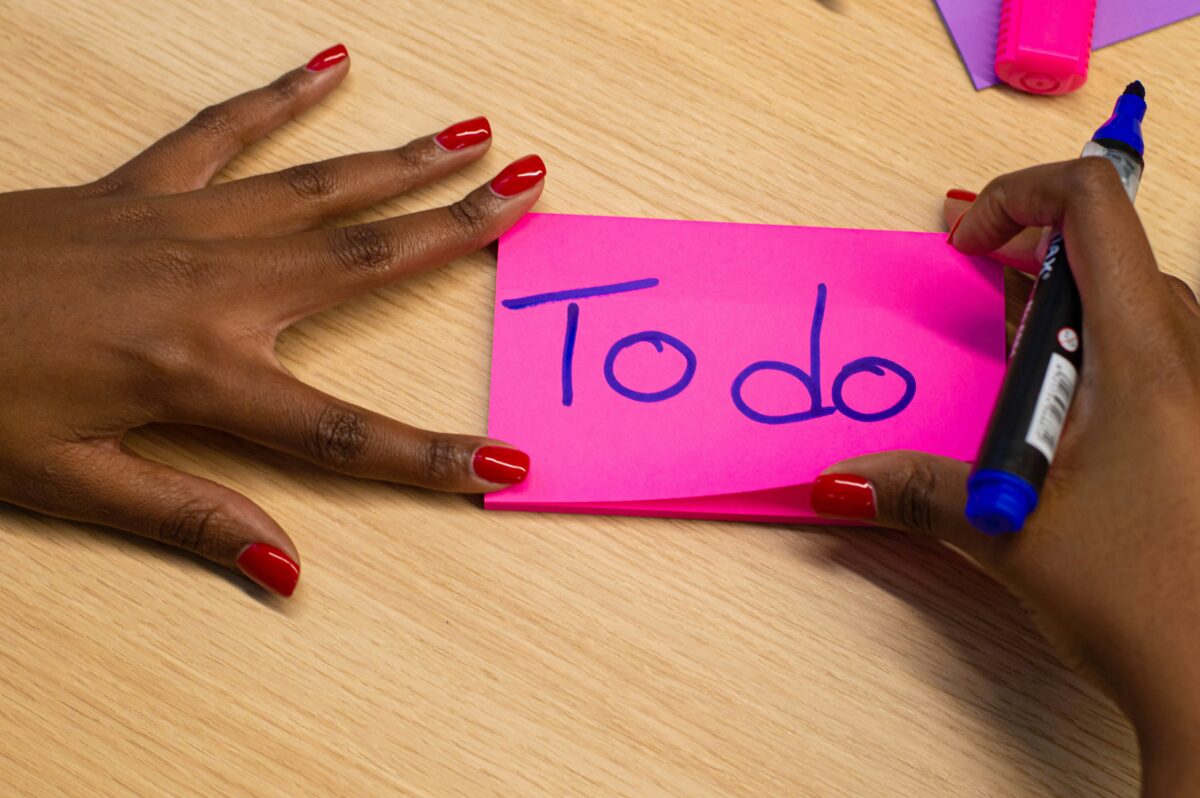
The fastest way to ruin a solo-life experiment is to begin with the activity that scares you most. A packed restaurant on a Saturday night may feel too intense for a first try. A small coffee shop, a daytime movie, a bookstore visit, or a quiet walk gives you space to adjust without feeling overwhelmed.
Small wins matter because they train your brain to stop treating solitude like danger. You are not trying to prove anything to strangers. You are simply teaching yourself that being alone in public can feel calm, normal, and even enjoyable.
Stop assuming everyone is staring
One of the biggest lies anxiety tells people is that everyone is paying attention. In reality, most people are wrapped up in their own conversations, phones, errands, meals, and worries. The person eating across the room is not building a case file about why you came alone.
That simple truth can be freeing. v, solo outings become less like a stage and more like ordinary life. You can order the meal, watch the film, visit the gallery, or sit in the park without turning yourself into the main character of everyone else’s imagination.
Give yourself a clear reason

Doing things alone feels easier when you know why you are doing it. Maybe you want more confidence. Maybe you want to stop missing events because friends cancel. Maybe you want to travel one day without depending on a group chat that never agrees on dates.
A clear reason turns discomfort into training. A solo lunch becomes practice for a bigger goal. A quiet museum trip becomes proof that you can move through the world without needing someone beside you every second. Purpose makes awkward moments feel useful rather than pointless.
Bring a soft landing
There is nothing wrong with bringing a book, journal, headphones, sketchpad, or crossword puzzle on your first few solo outings. These small comforts give your hands and mind something to do. They also help you stay present without disappearing completely into your phone.
The goal is not to hide from the experience. The goal is to make the first step less intimidating. Over time, you may need those props less often because your own company starts to feel less like a gap and more like a rhythm.
Choose activities you actually like
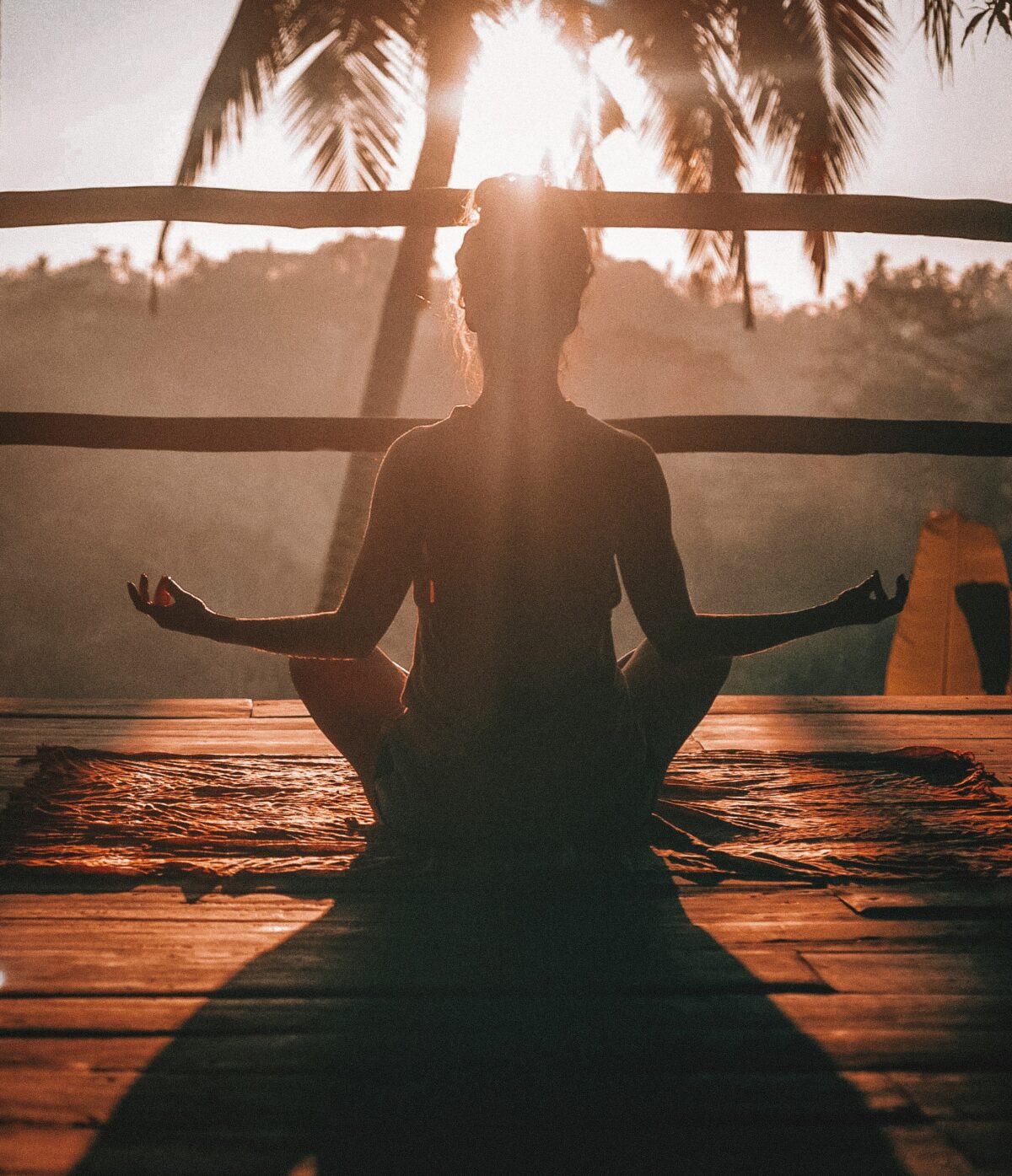
Some people dislike doing things alone because they pick activities that already feel boring or forced. Solitude becomes easier when the activity genuinely interests you. If you love music, try a small concert. If you enjoy food, test a new lunch spot. If you like quiet, visit a garden, library, or matinee.
Pleasure changes the whole experience. You stop focusing only on the empty chair beside you and start noticing the flavor, the scenery, the story, the music, or the freedom of choosing everything yourself. That is where solo time becomes less scary and more personal.
Practice talking to yourself kindly
The way you speak to yourself during a solo outing matters. If your inner voice keeps telling you that you look strange, unwanted, or embarrassing, the experience will feel heavier than it needs to be. A better script can quickly change the mood.
Try reminding yourself that you are allowed to enjoy your own life. You are allowed to take up space without an audience or companion. You are allowed to be seen alone without turning it into a sad story. Confidence grows faster when your inner voice stops acting like a bully.
Reflect after each outing
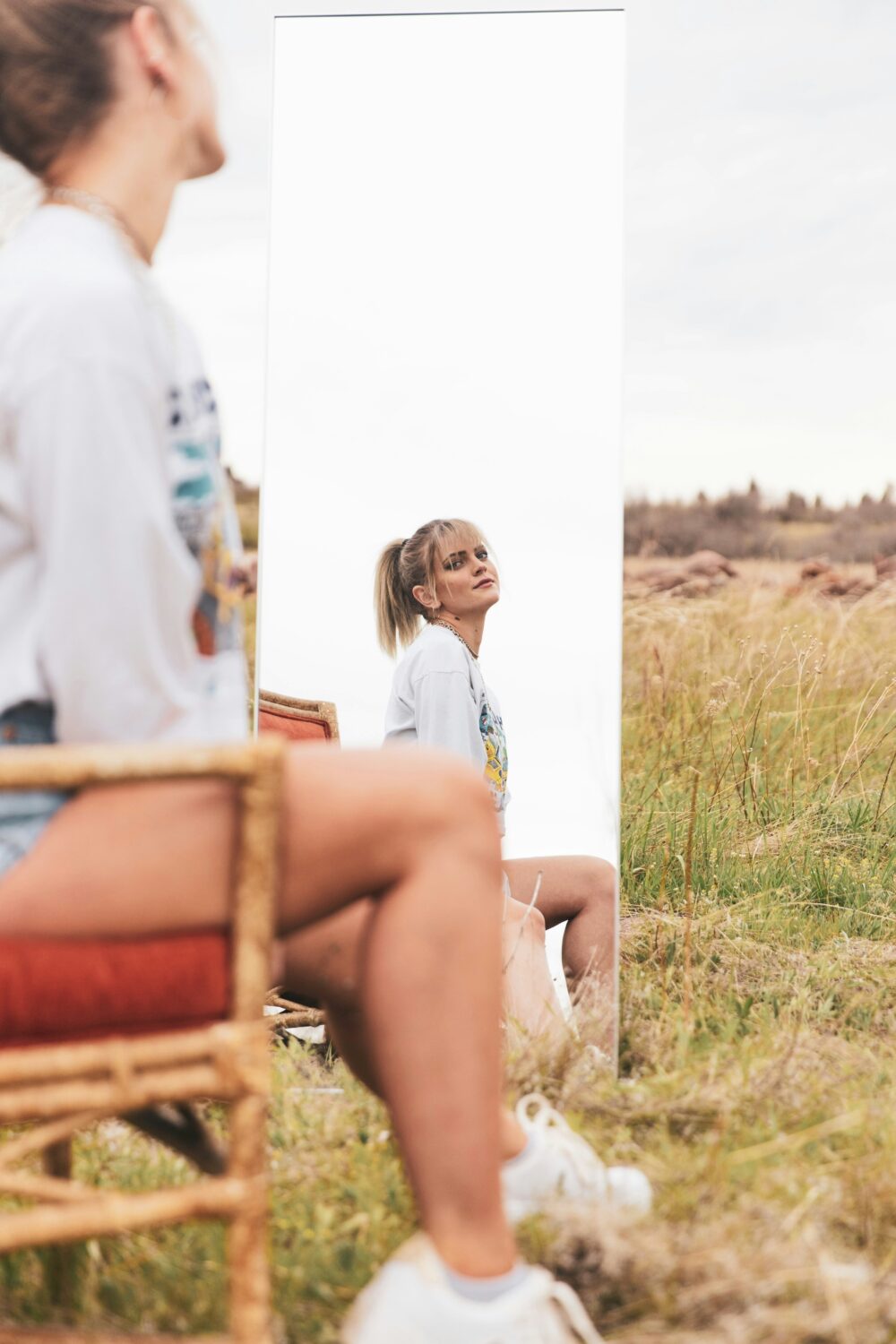
After doing something alone, take a minute to ask what actually happened. Did anyone stare? Did something go wrong? Did the fear shrink once you arrived? Did you enjoy one small part more than expected?
Reflection helps separate fear from reality. Many people discover that the hardest part was leaving the house, not the outing itself. Once you see that pattern clearly, the next solo plan feels less like a threat and more like familiar ground.
Celebrate the fact that you went
Do not wait until you feel fearless before giving yourself credit. Confidence often shows up after the action, not before it. If you went to the movie alone, ate lunch alone, explored a new street alone, or attended an event alone, that counts.
Celebrate it in a simple way. Take a photo, write a quick note, buy yourself dessert, or just admit that you did something brave. The brain remembers rewards. The more you connect solo activities with pride instead of shame, the easier it becomes to repeat them.
Conclusion
Doing things alone does not mean you have failed socially. It means you have built enough independence to enjoy your life even when nobody else can come along. That kind of confidence is quiet, but it changes everything.
You still need friendship, family, community, laughter, and shared memories. Solo time does not replace those things. It simply gives you another kind of freedom, the freedom to stop waiting and start living.