8 Things Gen Z Does That Older Americans Secretly Can’t Stand
Gen Z did not enter American culture quietly. They arrived with ring lights, side parts declared suspicious, phone calls treated like emergency sirens, and a talent for turning everyday frustrations into viral language by lunchtime.
Older Americans may smile through it, nod politely, and pretend they understand what “delulu” means, but deep down, some of them are quietly blinking like someone just changed the rules of civilization overnight.
The funny part is that Gen Z is not lazy, clueless, or unserious. They are simply operating with a different set of instincts.
They grew up with school shootings, social media, economic anxiety, pandemic disruption, student debt fears, online activism, and phones that became both diary and megaphone.
Deloitte’s 2025 Gen Z and Millennial Survey found that Gen Z is focused on money, meaning, well-being, growth, and learning, which helps explain why they often question traditions that older generations accepted without much protest.
Treating phone calls like a personal attack

To many older Americans, a phone call is normal. It is direct, fast, practical, and sometimes even polite. To many Gen Zers, an unexpected call feels like someone banging pots outside the window at midnight.
They would rather receive a text, a voice note, a calendar invite, a carrier pigeon, or a message written in steam on a bathroom mirror than pick up a random call with no warning.
This drives older Americans crazy because they see it as avoidance. They wonder why a two-minute call must become a 17-message negotiation. Gen Z often sees the phone differently.
Calls interrupt whatever they are doing and demand immediate emotional presence. That difference creates one of the funniest modern generational gaps. One side thinks, “Just answer the phone.” The other side thinks, “Why are you calling me like someone died?”
Turning every emotion into therapy language
Older Americans grew up saying things like “I’m tired,” “That annoyed me,” or “I need a break.” Gen Z often says “I’m overstimulated,” “That activated my anxiety,” “I need to protect my peace,” or “That energy feels toxic.”
The feeling may be real, but the language can make older people feel as if every small inconvenience has been elevated to a psychological event.
This habit secretly irritates older Americans because it can sound dramatic, even when Gen Z means well. A simple disagreement can suddenly involve boundaries, trauma responses, gaslighting, emotional labor, and attachment styles.
The good side is that younger people have helped make mental health conversations more open. The annoying side is that sometimes a person is not “violating your nervous system.” Sometimes they are just chewing loudly.
Recording everything before enjoying it
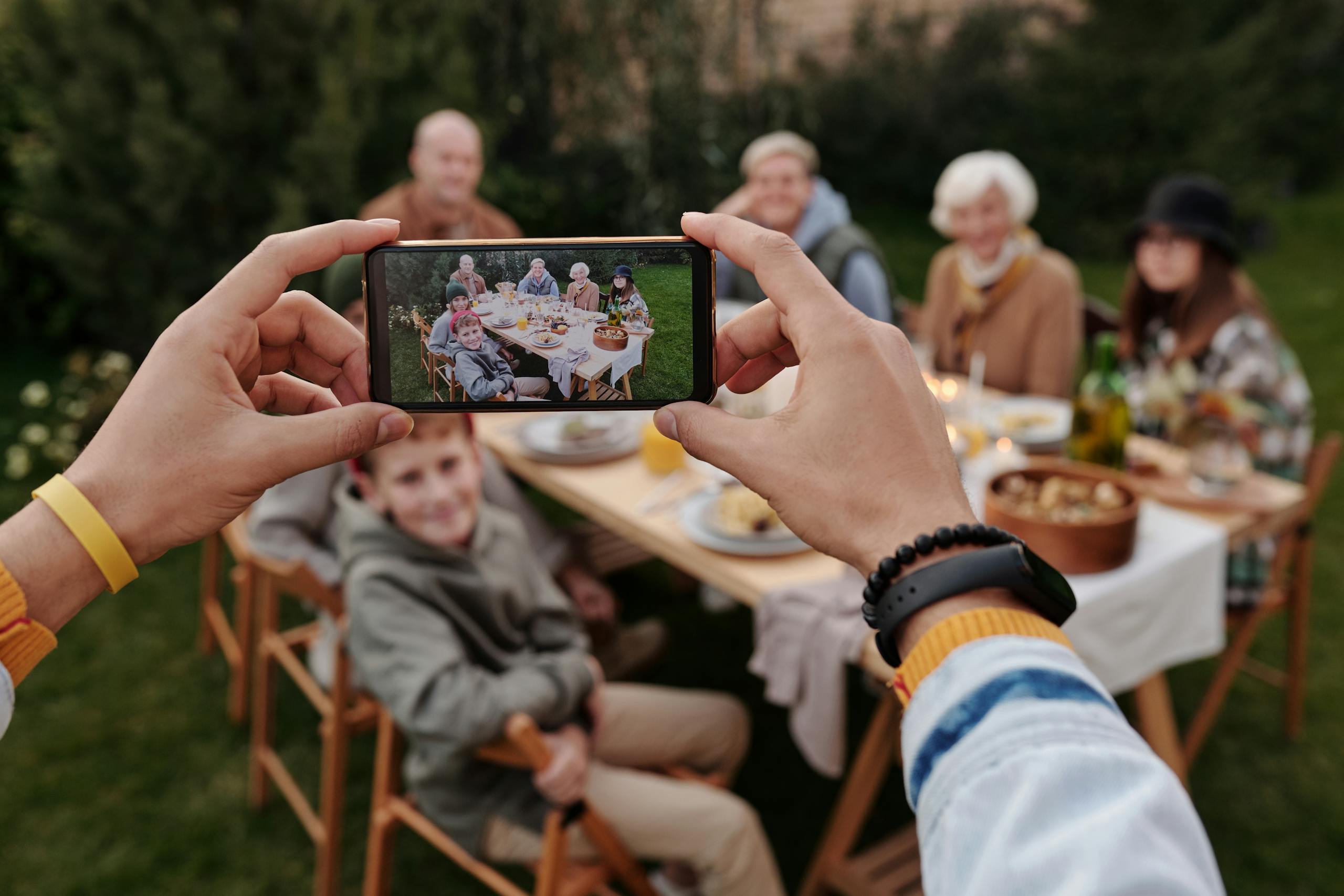
Older Americans remember meals eaten, concerts simply watched, and sunsets that lived only in memory. Gen Z often reaches for the camera before the moment has even settled.
Food arrives, and the phone comes out. A friend starts laughing, and the camera rises. A vacation begins, and suddenly everyone is filming content like a tiny production crew with sunscreen.
This frustrates older Americans because it can make real life feel staged. They wonder why every moment needs proof, polish, or a possible audience. Gen Z sees it differently because documentation has been part of their social language for years.
A photo is not always vanity. Sometimes it is memory, creativity, connection, or humor. Still, older Americans may secretly miss the days when dinner did not have to wait for overhead lighting.
Making work boundaries sound like a revolution.
Older Americans often see work as something you endure, prove yourself through, and maybe complain about privately after dinner.
Gen Z is more likely to ask about flexibility, mental health, pay transparency, workload, purpose, and work-life balance before pretending everything is fine. That can sound refreshing to some managers and absolutely maddening to others.
The tension comes from different survival codes. Older workers may think Gen Z wants comfort too soon. Gen Z may think older workers normalized burnout and called it character.
In 2025, only 23% of remote-capable Gen Z employees prefer fully remote work, but Gen Z still favors flexibility and hybrid options over old-school office assumptions.
Older Americans may roll their eyes at the language, but Gen Z is asking a question many workers quietly had for years: why should exhaustion be the price of ambition?
Using slang like a secret password
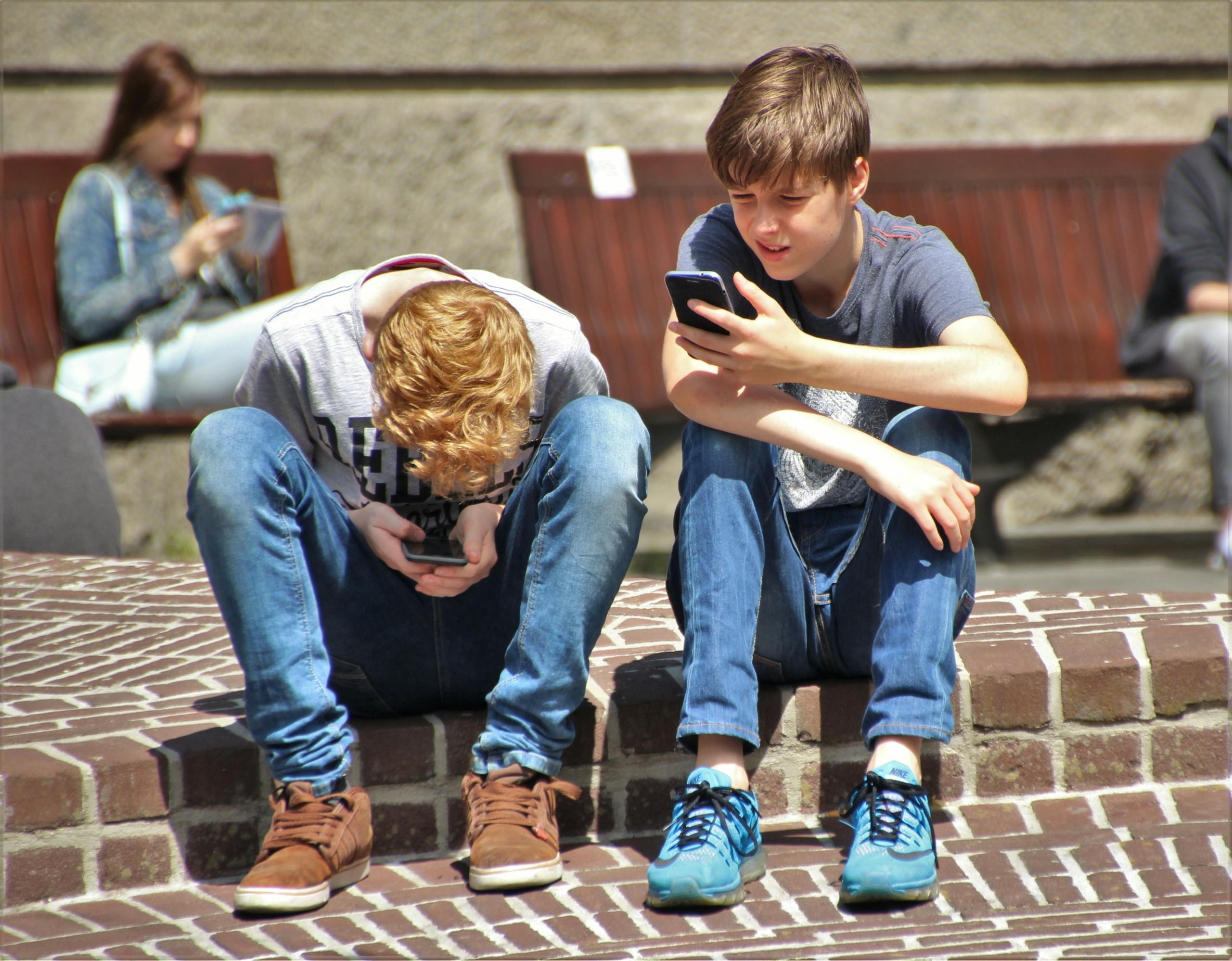
Gen Z slang moves so fast that older Americans need subtitles, a glossary, and possibly a teenager on retainer. One week, something is “mid.” The next week, someone is “cooked.”
Then a person is “giving,” a situation is “messy,” a lie is “cap,” and a painfully honest comment is “sending me.” By the time older people understand one phrase, Gen Z has already moved on to the next.
This can make older Americans feel excluded from conversations happening right in front of them. They may not admit it, but the confusion is real. Gen Z uses slang as a rhythm, a source of humor, an expression of identity, and a social glue.
Older generations did the same thing with their own words, but they had the mercy of slower cultural change. Gen Z slang spreads at Wi-Fi speed, which means everyone else is always five seconds behind and slightly offended by it.
Canceling plans like this is a wellness strategy.
Older Americans often treat plans as promises. If you said you would show up, you showed up unless the car broke down, the weather turned biblical, or someone needed stitches.
Gen Z tends to treat plans with more flexibility. If they feel drained, anxious, broke, overstimulated, or simply no longer in the mood, they may cancel with a soft apology and a “hope you understand.”
This habit makes older Americans quietly furious because it can feel careless. They planned around the outing. They got dressed. They may even have arrived early because some generations still believe punctuality is a moral virtue.
Gen Z often frames cancellation as honesty rather than disrespect. Still, there is a fine line between protecting your peace and becoming the person nobody trusts with a dinner reservation.
Turning every purchase into an aesthetic

Older Americans buy a cup because they need a cup. Gen Z buys a cup because it matches their desk setup, morning routine, soft-life era, apartment vibe, and hydration identity.
A plain activity becomes an aesthetic. Coffee is an aesthetic. Cleaning is an aesthetic. Studying is an aesthetic. Even being tired can become an aesthetic if the lighting is good enough.
This secretly annoys older Americans because it makes normal life look over-curated. They wonder why everything needs a theme, a color palette, or a mood. But Gen Z grew up in a visual culture, where identity is often expressed through small choices.
The danger is that life can start to feel like a brand rather than a life. The charm is that Gen Z can make even a cheap notebook, a thrifted jacket, or a homemade drink feel like a tiny act of self-expression.
Calling out everything in public
Gen Z has a powerful habit of naming problems out loud. Bad customer service. Unfair bosses. Problematic jokes. Bad dates. Toxic family patterns. Messy corporate behavior.
Nothing feels fully private once someone decides the internet needs to hear about it. Older Americans often find this exhausting because they were taught to handle many conflicts quietly, directly, or not at all.
This is one of the biggest generational clashes. Older Americans may see public calls for attention as disrespectful or attention-seeking. Gen Z may see silence as complicity. Both sides have a point.
Public accountability can expose real problems, but constant public judgment can also turn every mistake into a performance trial.
Older Americans secretly cannot stand how fast Gen Z takes issues to the group chat, the comments section, or the camera. Gen Z cannot stand how long older generations tolerated things that should have been challenged.
Conclusion

The truth is simple. Older Americans are not always annoyed because Gen Z is wrong. Sometimes they are annoyed because Gen Z is loud about things older generations learned to swallow.
Other times, yes, Gen Z really is being dramatic over a phone call, a plan, a coffee order, or a text that ended with a period.
Every generation irritates the one before it. Gen Z happens to do it with better lighting, sharper slang, stronger boundaries, and a camera already recording.
Older Americans may secretly roll their eyes, but they also know this generation has changed the conversation around work, mental health, money, identity, and accountability.
The clash is messy, funny, and sometimes exhausting, but it also proves one thing: America’s culture wars are not always fought in politics. Sometimes they start with a missed call and a text that says, “Why did you call?”