8 Entertainment Trends That Are Ruining American Pop Culture
American pop culture has always been a driving force in global entertainment, influencing everything from music and film to fashion and social movements. But in recent years, some entertainment trends have begun to undermine the very essence of what makes American pop culture great.
Rather than innovating and inspiring, they have started to feel repetitive, shallow, and more focused on profits than on genuine creativity. As we look ahead, it’s clear that some of these trends may continue to drag American entertainment into a space where substance takes a backseat to spectacle.
Let’s take a closer look at eight entertainment trends that are slowly ruining American pop culture.
The Over-Reliance on Reboots and Sequels
Once upon a time, originality was the hallmark of the film and TV industry. New ideas, groundbreaking storytelling, and fresh perspectives captivated audiences. But over the last decade, reboots and sequels have taken over the industry like an unstoppable force.
Whether it’s reimagining classic movies like Ghostbusters or endlessly churning out sequels to blockbuster franchises like Fast & Furious, Hollywood seems to be stuck in a loop of playing it safe rather than taking risks on new ideas.
This trend has created a formulaic entertainment landscape where creativity is sidelined in favor of familiar stories and nostalgia-driven content. What once excited audiences now feels tired and predictable. As more studios opt for the safety net of known properties, original films and new narratives struggle to get the attention they deserve.
The result is an entertainment world drowning in recycled content.
The Rise of Influencer Culture
In today’s entertainment landscape, it’s not enough to be talented or have a unique voice. To make it big, you need followers. Influencers on platforms like Instagram and TikTok are now dominating the cultural conversation, often receiving more attention than established actors, musicians, and artists.
While there’s no denying the power of social media in connecting people, influencer culture has shifted the focus from genuine talent to viral popularity. Influencers often gain fame for creating engaging content or for simply living glamorous lifestyles, not necessarily because of any artistic or professional skills.
This trend has created a system where clicks and likes are valued more than craftsmanship, leading to an entertainment scene that rewards fame over talent.
Reality TV Entertainment

Reality television once provided a guilty pleasure for millions. But in 2026, the genre has devolved into something far more damaging. What was once lighthearted and entertaining is now dominated by exploitative formats that tear down participants for the sake of ratings.
Shows like The Bachelor and Keeping Up With the Kardashians used to entertain by showing relatable or dramatic moments. Today, they often feel more like emotional manipulation, with participants pushed to their limits for the sole purpose of creating viral moments.
The exploitation of people’s real lives for entertainment has blurred the lines between actual experience and theatrical performance. Viewers are fed a steady diet of conflict-driven storylines, voyeurism, and humiliation, making it harder for other forms of entertainment to compete for attention.
Instead of focusing on meaningful narratives or uplifting content, reality TV is stuck in a cycle of degradation.
The Clickbait Crisis
In the age of social media and streaming platforms, the clickbait headline has become the currency of entertainment media. From gossip columns to major news outlets, the need for attention-grabbing headlines has shifted the focus from substance to sensationalism.
Pop culture news, which used to provide interesting insights and conversations, has become dominated by cheap gimmicks and outrage-driven content.The result? People are more likely to engage with outrageous stories or scandalous headlines than with nuanced, in-depth coverage of the issues.
Whether it’s exaggerated celebrity drama or unfounded rumors, the obsession with viral content undermines quality journalism and thought-provoking discourse. What used to be a place for cultural reflection has now become a platform for mindless chatter, further polluting the entertainment ecosystem.
Streaming Fatigue
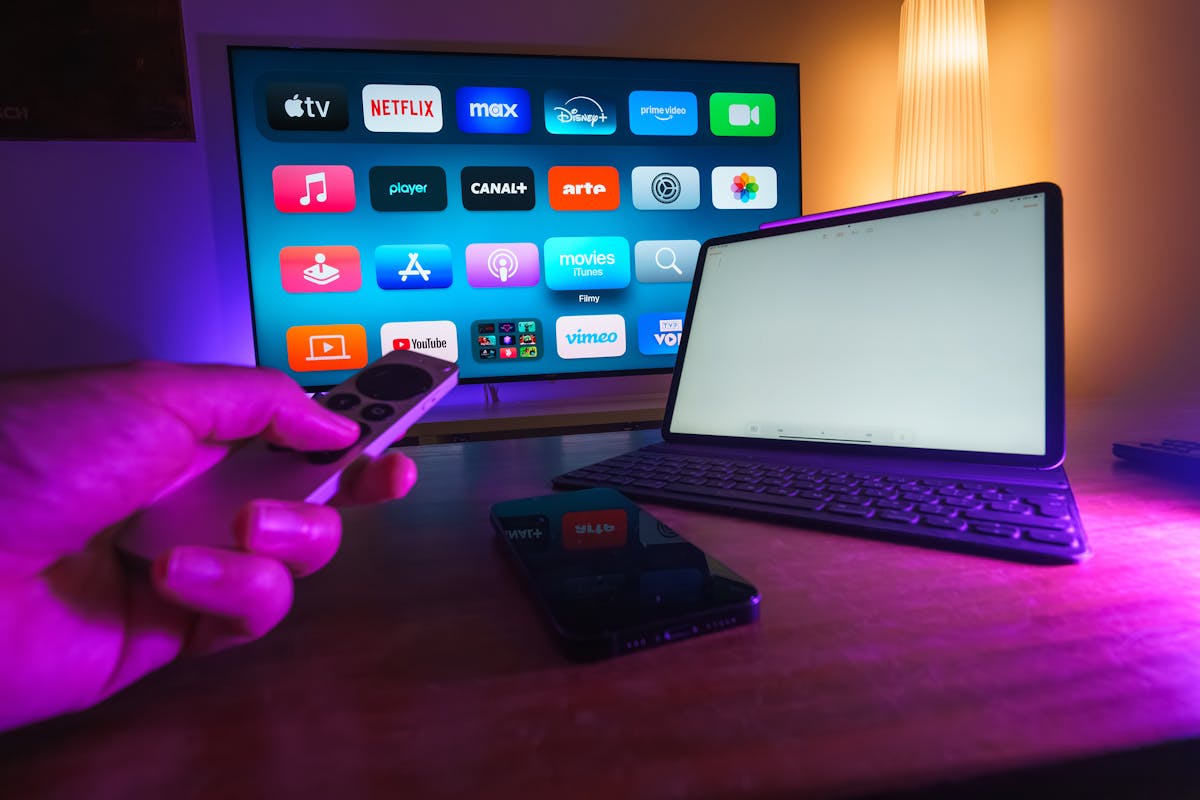
Streaming services like Netflix, Hulu, and Amazon Prime have revolutionized how we consume entertainment, offering access to thousands of movies, TV shows, and documentaries at the click of a button. But there’s a downside to this endless sea of content: choice overload.
With new titles being added daily, streaming fatigue is real, and many viewers are finding themselves overwhelmed rather than entertained.
Rather than curating carefully considered content, streaming platforms often prioritize quantity over quality, flooding the market with shows and movies that add little value. As a result, binge-watching has become the norm, and meaningful engagement with content has been replaced by the compulsive need to consume as much as possible.
The Obsession with Celebrity Culture
There was a time when celebrities were admired for their craft, whether in acting, music, or art. Today, celebrity culture has become toxic in American pop culture. Rather than being recognized for their work, celebrities are now treated like gods, with their every move scrutinized by the public and media.
This obsessive focus on celebrities distracts from more important societal issues, pushing topics like politics, social justice, and climate change out of the spotlight. Instead of discussing policy reform or economic inequality, mainstream media and social platforms focus on the latest scandal or relationship drama. The result is a cultural misalignment in which we prioritize superficiality over real-world impact.
The Superhero Saturation
Superhero films were once a dominant force in Hollywood, generating massive box-office numbers and dedicated fanbases. But in 2026, the market is oversaturated with superhero content, leaving audiences exhausted by endless reboots, sequels, and spinoffs.
While superhero films can still deliver powerful moments of action and character development, the genre has become a crutch for the film industry, overshadowing other original stories.
The constant bombardment of superhero narratives means that fresh and original concepts are often lost in the noise. As the focus shifts toward formulaic hero’s journeys and action-packed spectacles, the depth and variety that once made cinema exciting are lost.
The superhero movie, once a cultural event, is now a genre that feels more like a product than a creative experience.
The Decline of Music Diversity
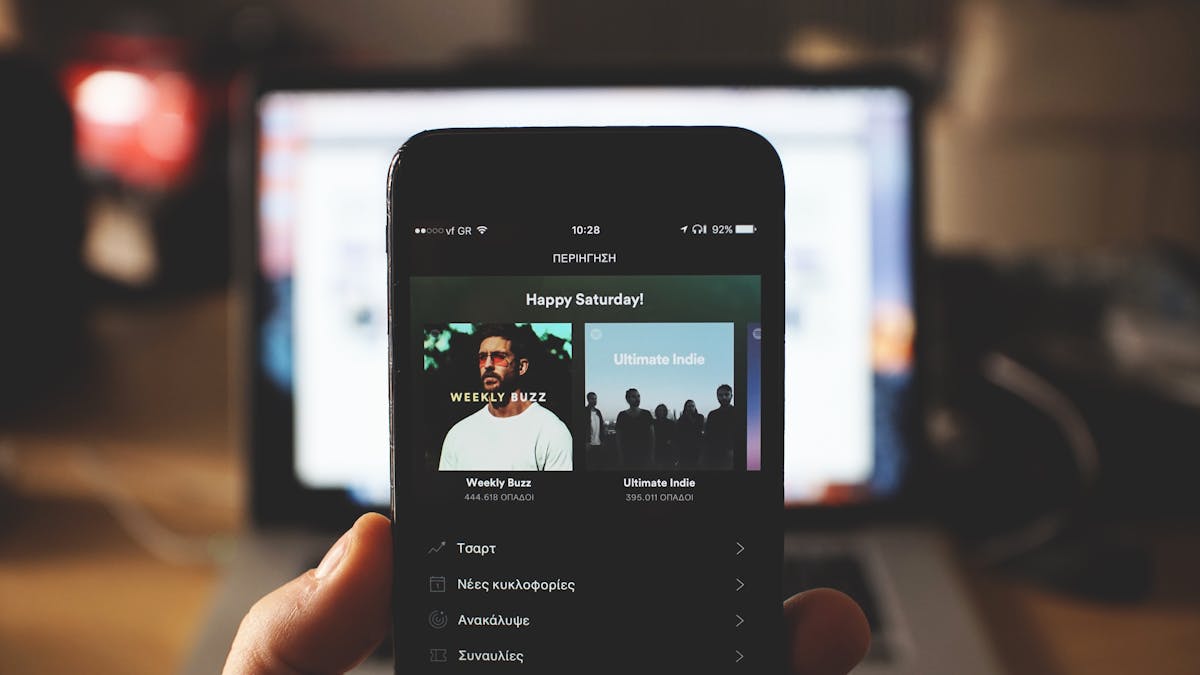
Music, one of the most powerful forms of cultural expression, is suffering from a lack of diversity in mainstream spaces. As genres like pop, hip-hop, and EDM dominate the charts, artists with unique voices or niche styles are being sidelined. Rather than offering a wide variety of musical experiences, today’s music industry often relies on formulaic beats and safe lyrics that appeal to mass audiences.
While there are still plenty of artists pushing boundaries, the mainstream is increasingly dominated by predictable playlists and safe hits. The art of music has been reduced to the pursuit of virality, leaving fewer opportunities for truly innovative sounds to break through.
As a result, the music scene risks stagnation, with much of the creativity locked away in underground scenes that the mainstream ignores.
Conclusion
American pop culture, once the source of groundbreaking creativity and innovation, is struggling under the weight of these increasingly damaging trends.
From the obsession with reboots to the rise of influencer culture, these trends reflect a shift away from the authenticity and originality that once defined American entertainment. However, as consumers demand more substance and variety, it’s possible that pop culture will evolve once again, shedding the trends that are currently holding it back.
Let’s hope the next phase of American pop culture will be a return to creativity, authenticity, and meaningful entertainment.