9 Modern Habits That Would Have Been Considered Rude in the 1960s
Imagine dropping someone from 1965 into a modern grocery store, airport or restaurant. They’d probably be amazed by the technology, the food choices and the self-checkout lanes. But they might also be a little shocked by how people dress, talk and behave in public.
Manners in the 1960s came with plenty of unwritten rules. Kids called adults “Mr.” and “Mrs.,” people dressed up to go downtown and a handwritten note was the only proper way to say thank you. Breaking those rules could earn you a stern lecture from your mother or a disapproving look from the neighbors.
Many of today’s everyday habits are perfectly normal now, and some are even practical improvements. But by 1960s standards, they would have raised more than a few eyebrows. Here are nine modern habits that would have been considered rude back then.
1. Wearing Pajamas or Sweatpants in Public
Today, it’s common to see people running errands in sweatpants, leggings or even pajama pants. In the 1960s, that would have been unthinkable. Women often wore dresses or skirts to the grocery store, and men wore slacks and collared shirts just to go to the bank.
Attitudes are still split, especially by age. A YouGov poll found that Americans under 45 were far more likely than older adults to say sweatpants are acceptable at work. Just 11 percent of those 45 and older said it was fine for men to wear sweatpants to the office, compared with 27 percent of younger adults.
2. Dressing Casually to Fly
In the 1960s, getting on an airplane was an event. Men wore suits and ties, women wore dresses, hats and gloves, and children were scrubbed and combed. Flying was expensive, and people dressed for it the way they would for church or a nice dinner.
According to CNN, flying in that era was a luxury for a small group of travelers, and one historian explained that people dressed up because of it. Today, flip-flops, sweatshirts and neck pillows are the norm. A 1960s traveler would likely wonder why everyone looked ready for bed.
3. Calling Older Adults by Their First Names
Children in the 1960s were taught to address adults as “Mr. Smith” or “Mrs. Johnson.” Using a grown-up’s first name without permission was considered disrespectful. Even adults often used titles with people older than them or in positions of authority.
Today, many kids call their friends’ parents, coaches and even some teachers by their first names. Many adults prefer it, saying it feels friendlier and less formal. To someone raised in the 1960s, though, it can still sound a little too familiar.
4. Sending Thank-Yous by Text
In the 1960s, a gift, a dinner invitation or a kind favor called for a handwritten thank-you note. Mothers made sure their children sat down after birthdays and Christmas to write them out. Skipping that step was a real breach of etiquette.
Today, many people send a quick text with a smiley face instead. It’s fast and it gets the message across, but some older relatives still feel it lacks the personal touch. Plenty of grandparents treasure every handwritten card they get, precisely because they’ve become so rare.
5. Men Wearing Hats Indoors
In the 1960s, a gentleman removed his hat when he entered a home, a restaurant, a church or an elevator with women present. Keeping it on indoors was seen as a sign of poor upbringing. Boys were taught this rule early, often with a quick swat on the back of the head.
Now, baseball caps are worn almost everywhere, including at the dinner table and in restaurants. Many younger men have never been told to take their hats off indoors. For older Americans, it remains one of the most noticeable shifts in manners.
6. Eating While Walking
Eating on the go is part of daily life today, whether it’s a breakfast sandwich in the car or a snack while walking down the street. In the 1960s, most people considered it rude to eat anywhere but at a table. Meals were for sitting down, ideally with family.
Walking and eating at the same time was seen as sloppy, and a little uncivilized. Exceptions were made for an ice cream cone at the fair or a hot dog at the ballpark. Otherwise, you waited until you got home, as many dining etiquette rules still suggest today.
7. Wearing Earbuds Around Other People
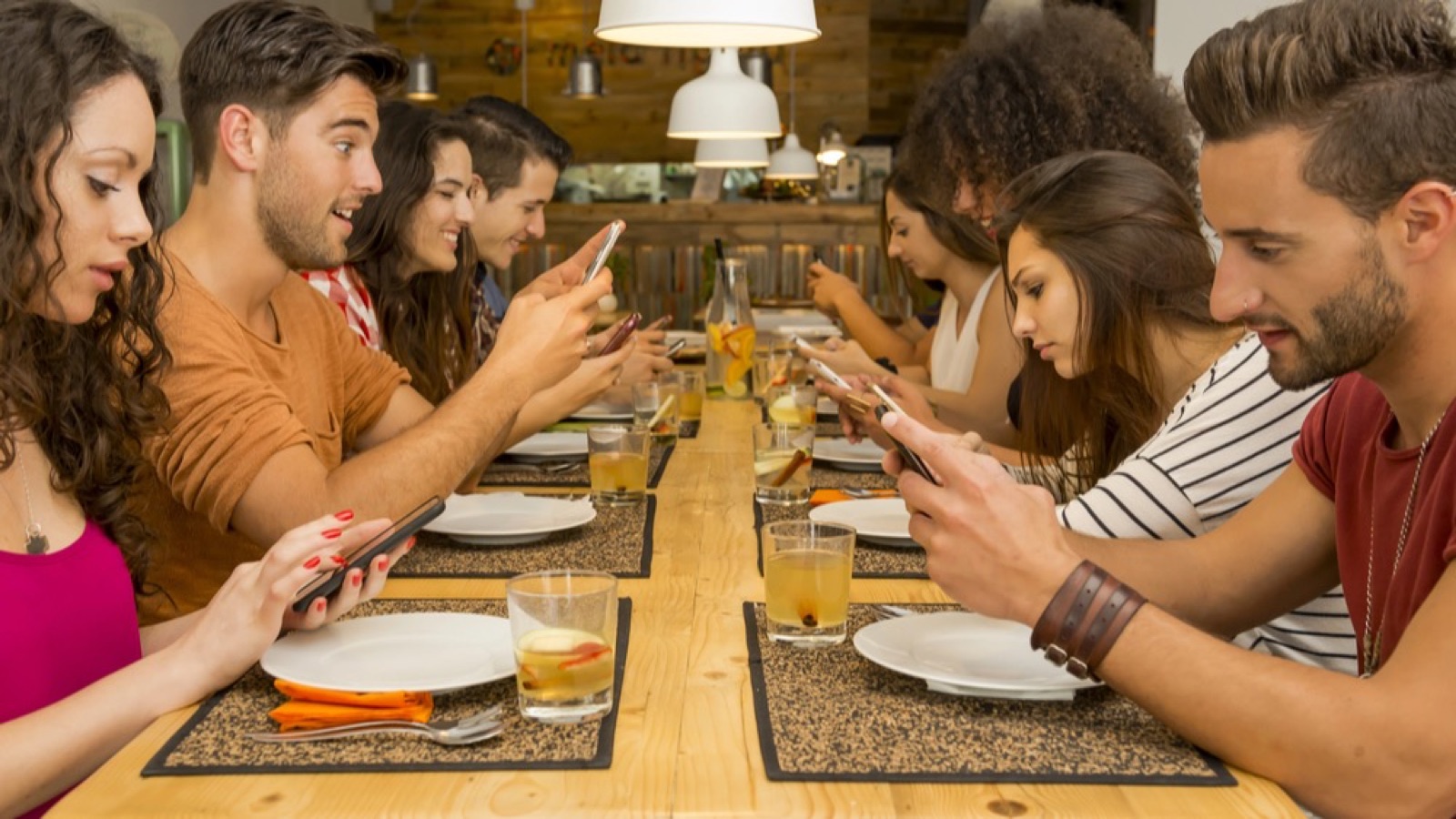
Today, it’s common to see people wearing earbuds in stores, at the gym or even during family gatherings. To someone from the 1960s, tuning out the people around you this way would have seemed cold and dismissive. Back then, if someone was in the room with you, you were expected to pay attention to them.
Transistor radios did exist, and teens loved them, but blasting music or shutting out conversation in company would have earned a reprimand. Many older adults still feel slighted when someone keeps earbuds in while talking to them. Taking them out is a small way to show respect.
8. Putting Your Feet Up on Furniture
In many 1960s homes, the living room furniture was for sitting properly. Putting your shoes on the sofa, coffee table or someone else’s chair was considered rude, especially as a guest. Some families even kept plastic covers on their good couches.
Today, kicking back with your feet on the coffee table is common, and some people put their feet up on seats in trains, buses and waiting rooms. It’s one of the many changes that would surprise someone from that era. It’s also one of the habits that might make Gen Z struggle to fit in if they traveled back in time.
9. Dropping By Without Calling First, or Never Dropping By at All
This one works both ways. In the 1960s, neighbors and friends often stopped by unannounced, and it was considered rude not to invite them in for coffee. Today, many people would find an unexpected knock on the door a little startling.
On the flip side, the modern habit of texting “I’m outside” instead of coming to the door would have baffled 1960s hosts. Back then, you walked up, rang the bell and greeted everyone properly. Honking from the driveway was considered especially rude, unless you were picking up a teenager in a hurry.
Manners Change, but Respect Doesn’t
Every generation has its own idea of good manners, and many modern habits make life easier and more relaxed. Few people today would want to go back to wearing hats and gloves just to buy groceries. Still, there’s something charming about the care that went into everyday courtesy in the 1960s.
The heart of good manners, which is making others feel respected and comfortable, never really goes out of style. Which of these modern habits do you think would have shocked your parents or grandparents the most?