10 Foods Your Parents Kept in the Freezer in 1975 That You’d Never Find There Today
Open the freezer in almost any American kitchen in 1975 and you would find a small time capsule. There were foil trays stacked like bricks, cans of frozen juice wedged into the door, and mystery packages wrapped in white paper with a date scrawled in grease pencil. Mom knew exactly what everything was, even when nobody else did.
Today’s freezers look very different. They are full of microwave bowls, air-fryer snacks and resealable bags with zip tops. Many of the foods that filled the freezer fifty years ago have changed shape, changed names or disappeared altogether, and some of the habits that went with them are gone too. Here is what your parents kept in the freezer in 1975, and why you probably won’t find most of it there now.
1. TV Dinners in Aluminum Trays
The classic TV dinner came in a divided aluminum tray with turkey, cornbread dressing, peas and sweet potatoes, each in its own little compartment. You peeled back the foil, slid it into a hot oven and waited about 25 minutes. Swanson sold millions of them after launching the idea in 1953, as the Smithsonian’s history of the TV dinner explains.
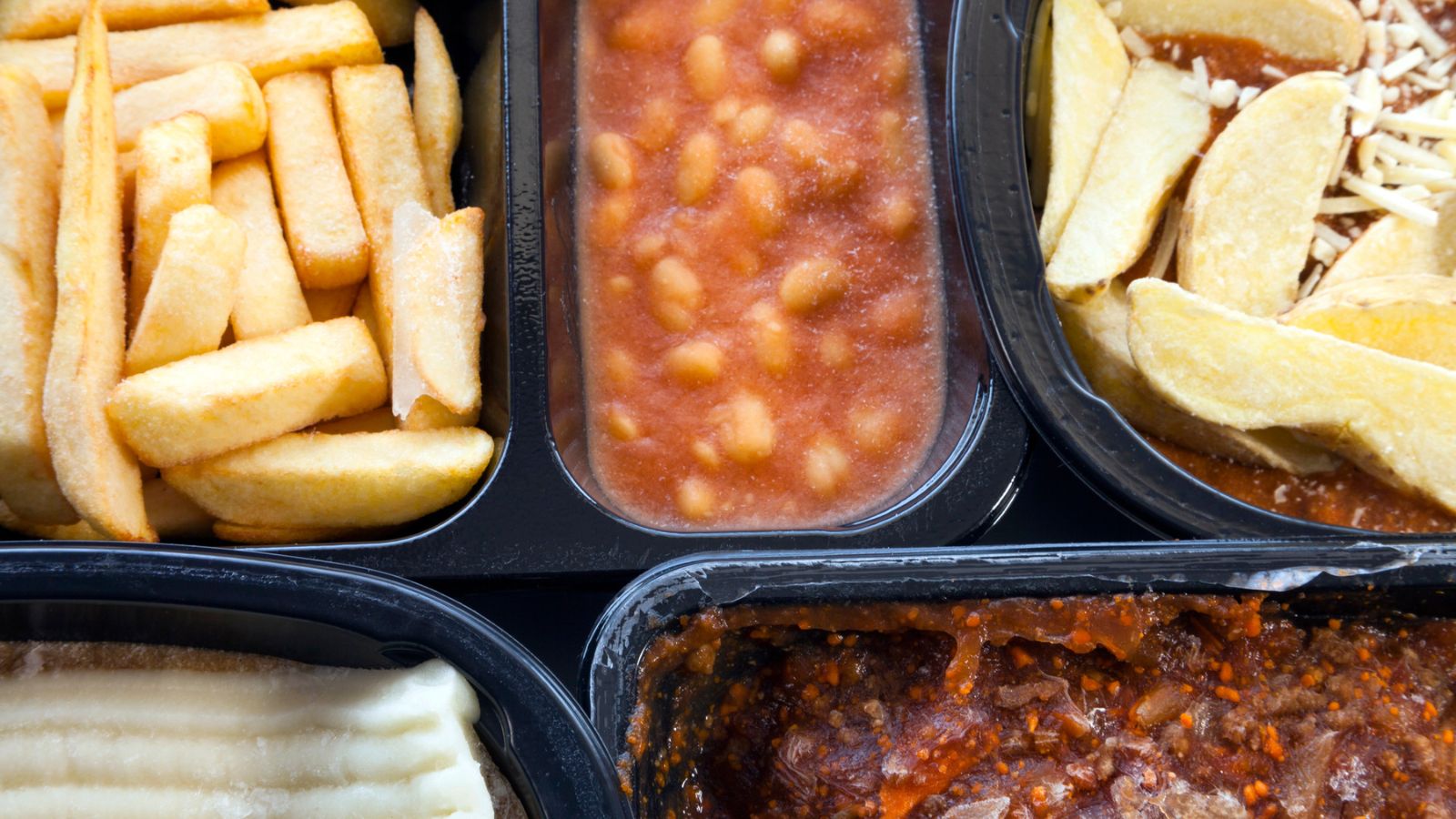
Once microwave ovens became common in the 1980s, the metal trays had to go, because metal and microwaves don’t mix. Plastic and paperboard trays took over. Frozen dinners are still everywhere, but that shiny foil tray, the one that burned your fingers if you grabbed it too fast, is now a nostalgia item.
2. Cans of Frozen Orange Juice Concentrate
In 1975, orange juice in many homes meant a small cardboard can from the freezer. You let it soften on the counter, squeezed the frozen cylinder into a pitcher, added three cans of cold water and stirred until your arm ached. The leftover lumps at the bottom were part of the experience.
Frozen concentrate still exists, but it has shrunk to a small corner of the freezer aisle. Most families now buy juice ready to pour in plastic jugs, and many have cut back on juice altogether. For people who grew up with that little pull strip on the can, the clunk of the frozen juice hitting the pitcher is a sound they still remember.
3. Birds Eye Awake
Not every family could afford fresh juice every morning, and food companies noticed. Birds Eye sold a frozen concentrate called Awake, an orange-flavored breakfast drink that cost less than real orange juice. It was advertised as a quick, cheap way to get a glass of something orange on the table before school.
Awake belonged to the same era as powdered drinks like Tang, when “orange drink” was good enough for a busy household. It faded away as tastes shifted toward real juice. Many people who drank it as kids have never seen it since, and some aren’t sure it was ever real until someone else remembers it too.
4. Homemade Pops in Tupperware Molds
Long before boxes of fruit bars filled the freezer, moms made their own frozen treats. They poured Kool-Aid, juice or leftover pudding into plastic molds with little handles, then set them in the freezer for an afternoon. Tupperware’s Ice Tups were a familiar sight in summer kitchens across the country.
The treats were cheap, a little messy and always gone by the end of the week. Tupperware itself filed for bankruptcy in 2024 after years of falling sales. Plenty of families still make frozen pops, but the days of a freezer shelf crowded with colorful homemade ones are mostly a memory.
5. Meat From a Side of Beef
Many families, especially in rural areas, bought a side of beef or half a hog directly from a farmer or a local locker plant. It came back cut, wrapped in white freezer paper and stamped with labels like “chuck roast” or “ground.” That meant a freezer, often a big chest freezer in the basement or garage, packed to the top with meat for the year.
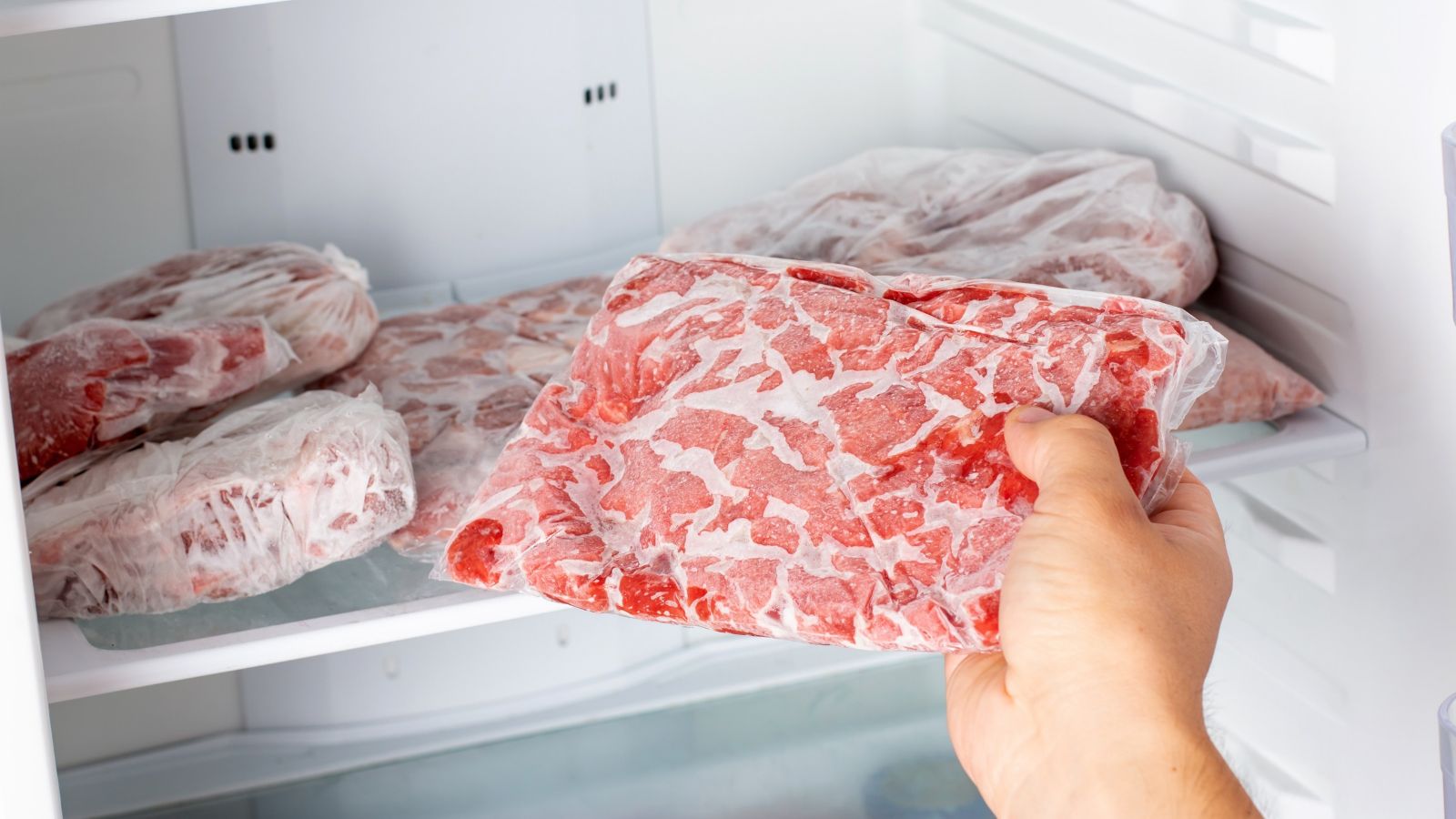
Some families still buy beef this way, and it has even made a small comeback. But most households now buy smaller packages at the supermarket as they need them. A freezer full of paper-wrapped meat that had to last until next fall feels like a different world.
6. Half-Gallon Bricks of Ice Cream
In the 1970s, ice cream came in a rectangular half-gallon carton that you could slice like a loaf of bread. Neapolitan was a favorite, because there was something for everyone, though the strawberry was often the last to go. Families kept a carton in the freezer almost all the time.
Over the years, many brands quietly shrank their cartons to 1.75 quarts and then to 1.5 quarts while keeping a similar price. It is a well-known example of what the Bureau of Labor Statistics calls shrinkflation. The true half-gallon is now harder to find than it used to be.
7. Banquet Cookin’ Bags
Banquet sold frozen entrées in boil-in-bags called Cookin’ Bags. Inside were single portions of things like creamed chipped beef, sliced turkey with gravy or Salisbury steak. You dropped the pouch into a pot of boiling water, waited a few minutes, then snipped it open over toast or rice.
They were popular with busy parents, teenagers fending for themselves and anyone living alone. Boil-in-bag meals mostly gave way to microwave trays and steam bags. To many people who grew up in the 1970s, creamed chipped beef from a pouch was the very definition of a quick supper.
8. Jeno’s Pizza Rolls
Jeno Paulucci, the businessman behind several frozen food brands, introduced frozen pizza rolls in the 1960s, and they became an after-school favorite. Kids learned the hard way that the filling stayed lava-hot long after the outside looked ready.
The rolls are still sold today, but not under the Jeno’s name. Pillsbury bought Jeno’s in the 1980s, and the snack eventually moved to the Totino’s brand. The box looks different and so does the name, which is why many grown-ups insist they ate “Jeno’s” while their kids have only ever known Totino’s.
9. Leftovers Wrapped in Foil and Labeled by Hand
Fifty years ago, freezer leftovers usually went into aluminum foil, waxed paper or reused margarine tubs. Mom wrote what was inside and the date on a strip of masking tape, if she remembered. More than one family has a story about defrosting what they thought was chili and finding spaghetti sauce instead.
Today, zip-top freezer bags, glass containers and vacuum sealers do the job. The rules for safe freezing haven’t changed much, though. The USDA’s freezing guide explains that food kept at 0°F stays safe indefinitely, though quality drops over time, and some foods simply don’t belong in the freezer at all.
10. A Thick Layer of Frost
This one wasn’t a food, but it was in almost every freezer in 1975. Many freezers were manual-defrost models, so ice built up on the walls until the door barely closed. Every few months, someone had to empty everything into coolers, unplug the freezer and chip away at the ice with a butter knife or set pans of hot water inside to speed things up.
Frost-free freezers were already around, and they gradually became the norm. Younger cooks have rarely had to defrost a freezer by hand. For their parents, though, defrosting day was a messy, wet chore that nobody looked forward to.
Why the Freezer Changed So Much
The biggest change came from the microwave oven, which reshaped how food was packaged and cooked. Smaller households, busier schedules and more grocery stores open late meant people no longer needed to stock up for months at a time. Food companies followed with single-serve meals, snack bites and products made for speed.
Still, the 1975 freezer tells a story about how families lived. People cooked in bulk, bought meat by the side and stretched every dollar. Which of these did your parents keep in the freezer, and is there one you wish would come back?