10 Harsh Quality-of-Life Differences That Still Separate the USA and Russia
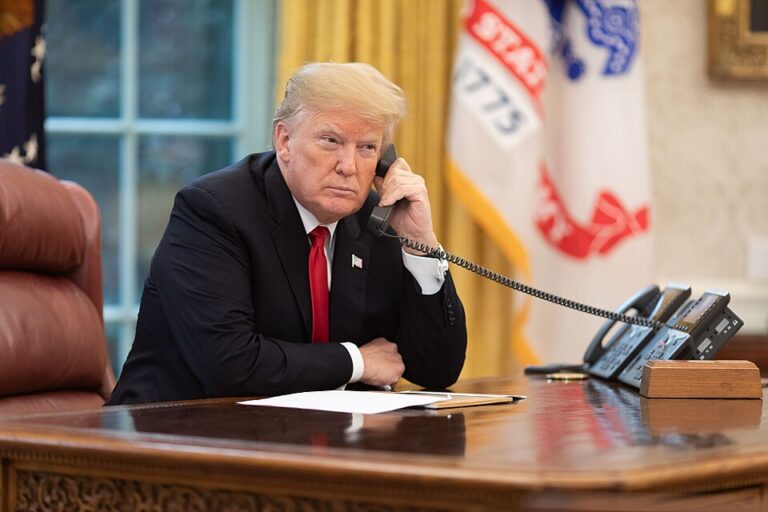
Quality of life is never just about rent or salaries. It is about safety, income security, freedom, access to healthcare, and confidence in the future. The USA and Russia offer advantages, but daily life differs sharply once money, work, housing, safety, and personal liberty are considered. Here are 10 gaps that reveal why life in these countries can feel like two separate worlds.
America Pays More, But Opens More Doors
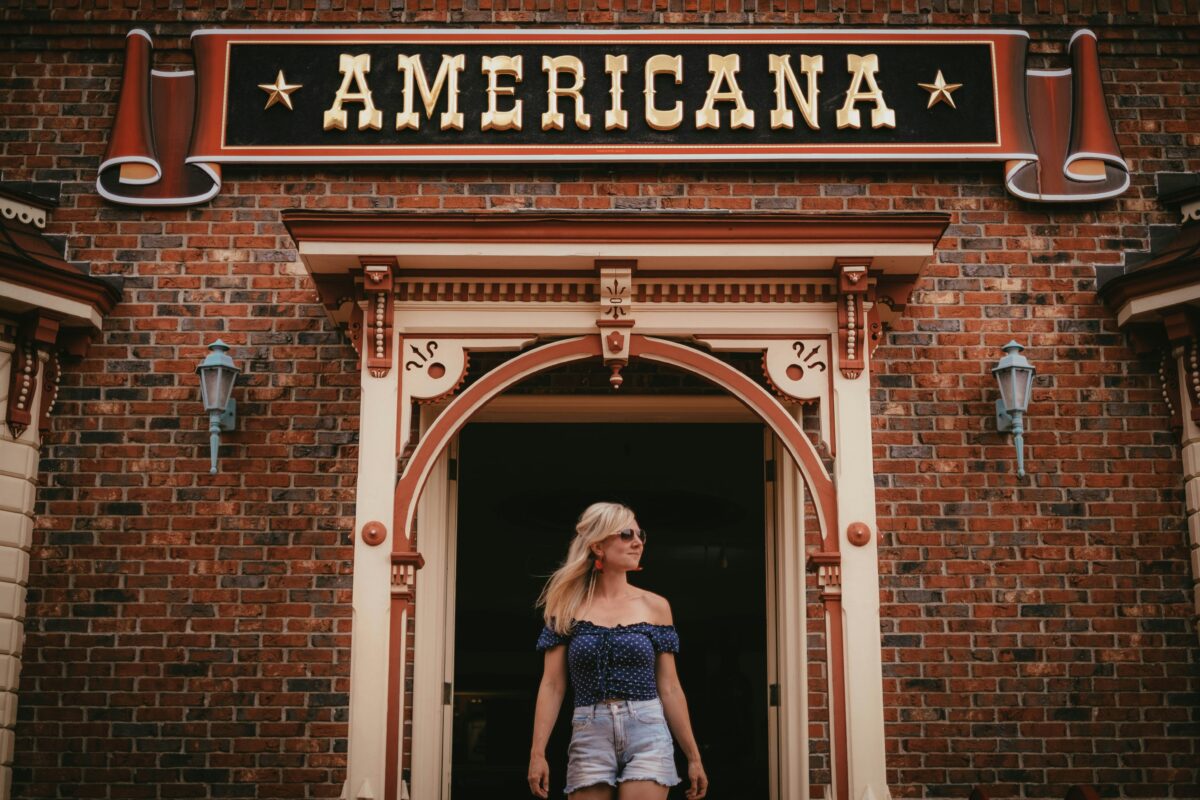
America is expensive, yet higher pay allows people a stronger ladder to climb. A skilled worker or entrepreneur can find more routes to a better income than in Russia. Rent, insurance, childcare, and healthcare bite fast, but stronger wages and global mobility make the U.S. feel open. Opportunity often outweighs cost for those willing to take risks.
Russia Looks Cheaper Until Paychecks Enter
Russia’s daily expenses, groceries, rent, and transport often cost less than in the U.S., creating the illusion of easier living. The problem appears when prices are compared with wages, savings, and imported goods. Low cost does not equal comfort if salaries limit travel, tech access, or emergency funds. Affordability feels lighter, but long-term power is weaker.
Healthcare Can Hurt Americans Differently
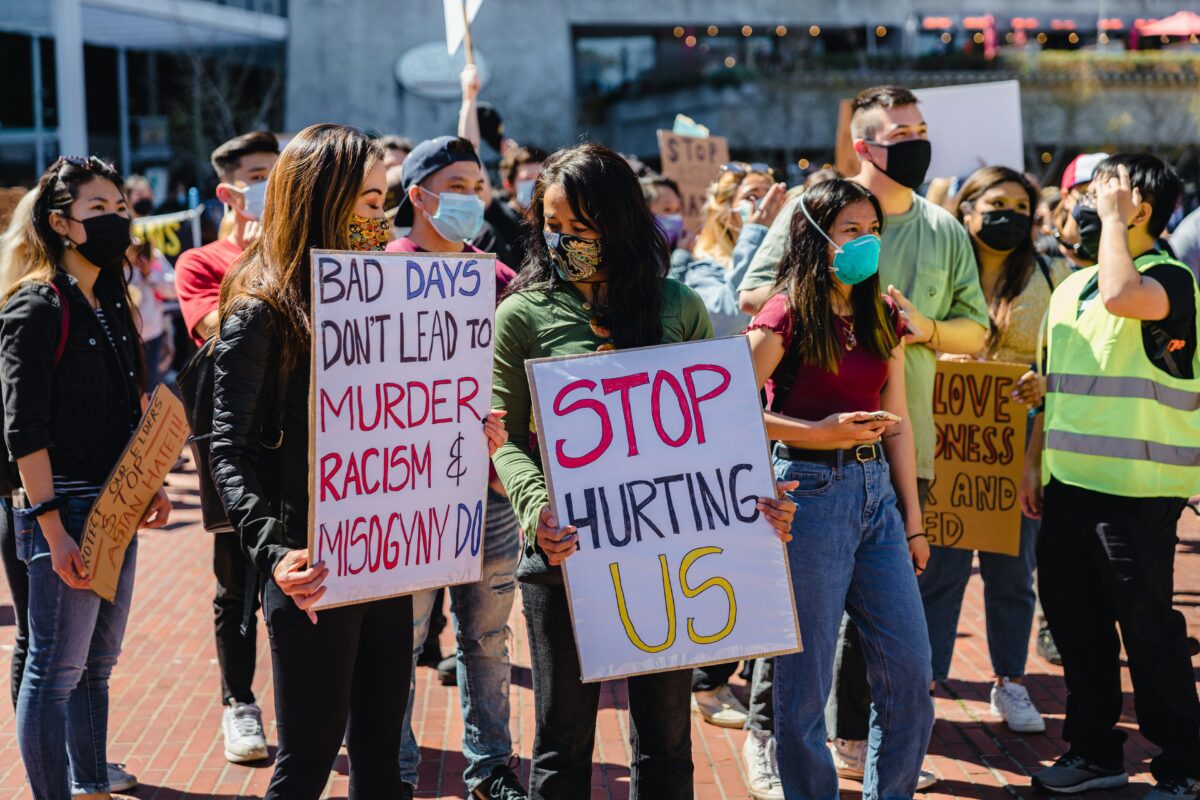
The U.S. has top hospitals, specialists, and advanced treatments, but bills and insurance gaps terrify many. Russia offers public healthcare, reducing immediate costs, though quality varies by city and facility. Advanced care is stronger in the U.S., but routine treatment is often less financially stressful in Russia. Healthcare stress affects daily choices and peace of mind.
Housing Stress Hits Both Countries Differently
Housing pressures exist everywhere, but they manifest differently. Renting and homeownership in the U.S. can require years of income and credit planning. Russia may have lower rents, but buying a comfortable modern home can be tough on average wages. Americans have more choices if income is high; Russians may live more cheaply but with fewer options.
Safety Is Not As Simple As Headlines Suggest
Russia may feel safer on the streets in some areas, while the U.S. struggles with gun violence, theft, and urban crime. Safety also includes freedom from political pressure and fear of speaking out. America’s danger is often visible; Russia’s is more systemic and political. Personal perceptions of safety depend on which threat weighs more heavily.
Freedom Gives America A Major Lifestyle Advantage

Freedom is more than possessions; it is the power to speak, protest, organize, and challenge authority. Americans enjoy broader personal rights despite social tensions. Russians face sharper limits on expression and activism. This difference changes the daily emotional climate and the opportunity to act freely.
Work-Life Balance Exposes America’s Weak Spot
American hustle culture provides opportunity but demands energy. Long hours, limited leave, expensive childcare, and constant bills create stress. Russia can feel slower, yet low wages create another kind of pressure. America offers more chances to grow, but often at the cost of personal rest and mental ease.
Climate Makes Daily Life Easier In The U.S.
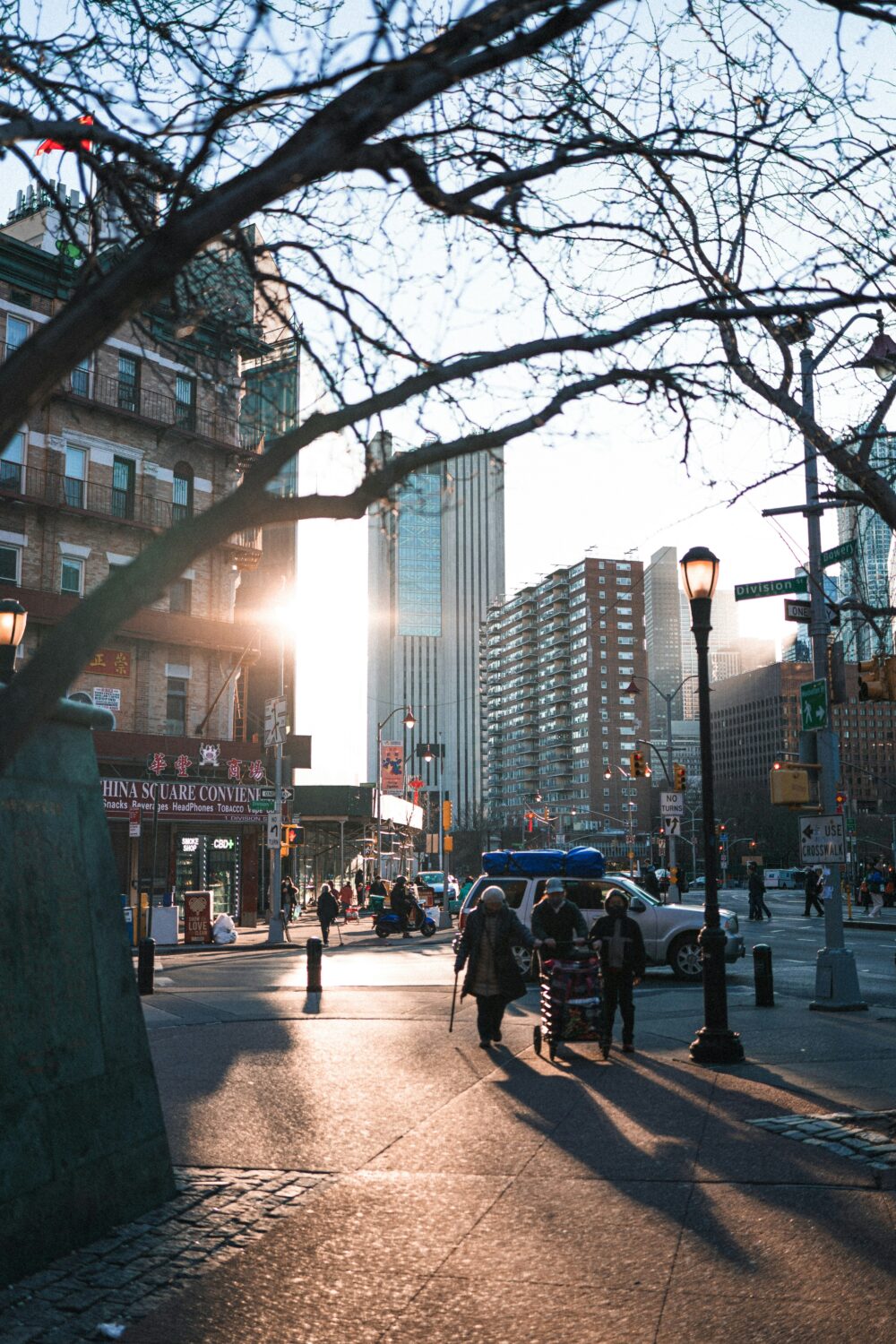
The U.S. offers a wide range of climates, beaches, mountains, deserts, snow, forests, and cities. Russia has beautiful landscapes, but its extreme cold and long winters make daily life more difficult. Climate impacts mood, transport, energy bills, and routines. The U.S. offers greater flexibility in choosing a climate that suits one’s lifestyle and health.
Global Mobility Is Tougher For Russians
Americans enjoy greater travel access, greater recognition for their work, and international opportunities. Russians face visa, sanctions, and banking barriers. Talent and education exist, yet global doors feel narrower. Limited mobility reduces long-term options and perceived quality of life.
The Overall Winner Still Has Serious Problems
The U.S. wins on income potential, career mobility, choice, freedom, and climate variety. Russia offers lower costs and cultural depth, yet lower wages, political limits, and uncertainty weigh heavily. Americans face expenses and stress, but options remain wide. Russians gain affordability but sacrifice flexibility, freedom, and future security.
Conclusion
America is expensive, unequal, and stressful, yet it offers opportunity, mobility, and freedom that shape long-term comfort. Russia feels cheaper, but lower wages, limits on liberty, and geopolitical pressures can restrict life options. The key quality-of-life difference is freedom to choose, move, earn, and rebuild. Opportunity outweighs affordability when planning a full, secure, and flexible life.