Homeowners in These U.S. Cities Are Facing Some of the Nation’s Fastest-Rising Insurance Costs
In many American cities, the biggest threat to home affordability is no longer just home prices or mortgage rates. It is something quieter, less visible, and often ignored until renewal time arrives in the mailbox.
Homeowners insurance is rising at some of the fastest rates in recent history across parts of the United States, and in certain cities, the increases are hitting harder than anywhere else. What used to feel like a predictable annual cost is now shifting into one of the most volatile parts of owning a home.
From storm-battered coastlines to hail-prone inland cities, the pattern is becoming impossible to ignore. The cost of protecting a home is rising faster than the cost of buying one in some regions, reshaping how Americans think about where and how they live.
A Nationwide Pressure Point Hiding in Plain Sight

Insurance is often treated like a background expense. It is there because it has to be, not because it is discussed often. But across the country, that background cost is moving into the spotlight.
Recent industry analyses from major housing and insurance trackers show that homeowners’ insurance premiums have been climbing steadily nationwide, with certain metro areas seeing significantly sharper spikes than others. In some cases, annual premiums have jumped by double-digit percentages in just a few years.
What makes this trend especially important is that it does not affect only new buyers. Existing homeowners are feeling it too. Even those with clean claims histories and long-term policies are receiving renewal notices with noticeably higher numbers.
The result is a growing affordability squeeze that is no longer limited to housing prices alone. It is now embedded in the cost of simply keeping a home protected.
Miami, Florida, Where Storm Risk Meets Financial Reality
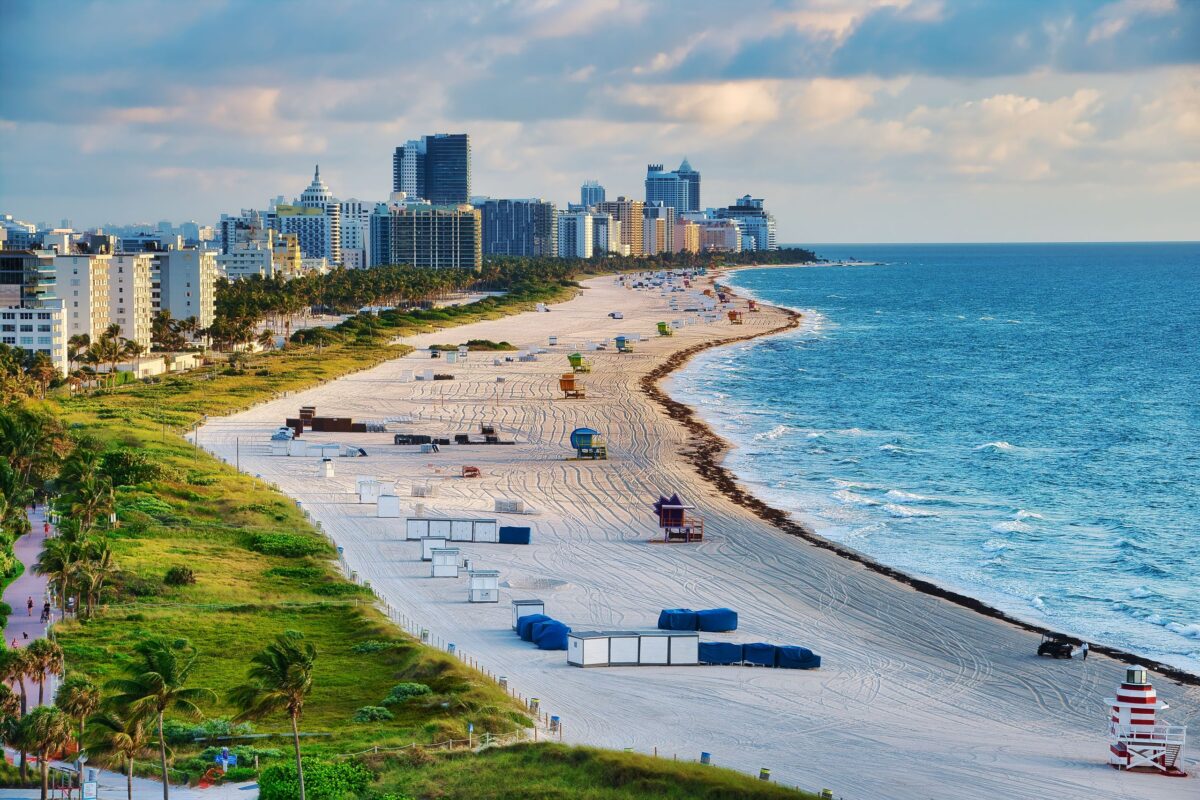
Few cities illustrate the insurance challenge more clearly than Miami, Florida. With its exposure to hurricanes, tropical storms, flooding, and rising sea levels, the region has prompted insurers to steadily recalibrate their risk models.
For homeowners, that recalibration shows up as higher premiums, higher deductibles, and, in some cases, fewer coverage options. Some insurers have reduced exposure in coastal zones altogether, forcing residents to shop across a shrinking pool of providers.
The financial impact is significant. In many cases, homeowners in Miami are paying several times the national average for coverage. Even properties outside the most flood-prone areas are affected because risk is calculated across broader regional patterns, not just individual streets.
For families, that means insurance is no longer a secondary concern. It is now a core part of whether homeownership is financially sustainable at all.
New Orleans, Louisiana, is still carrying the Weight of Water.
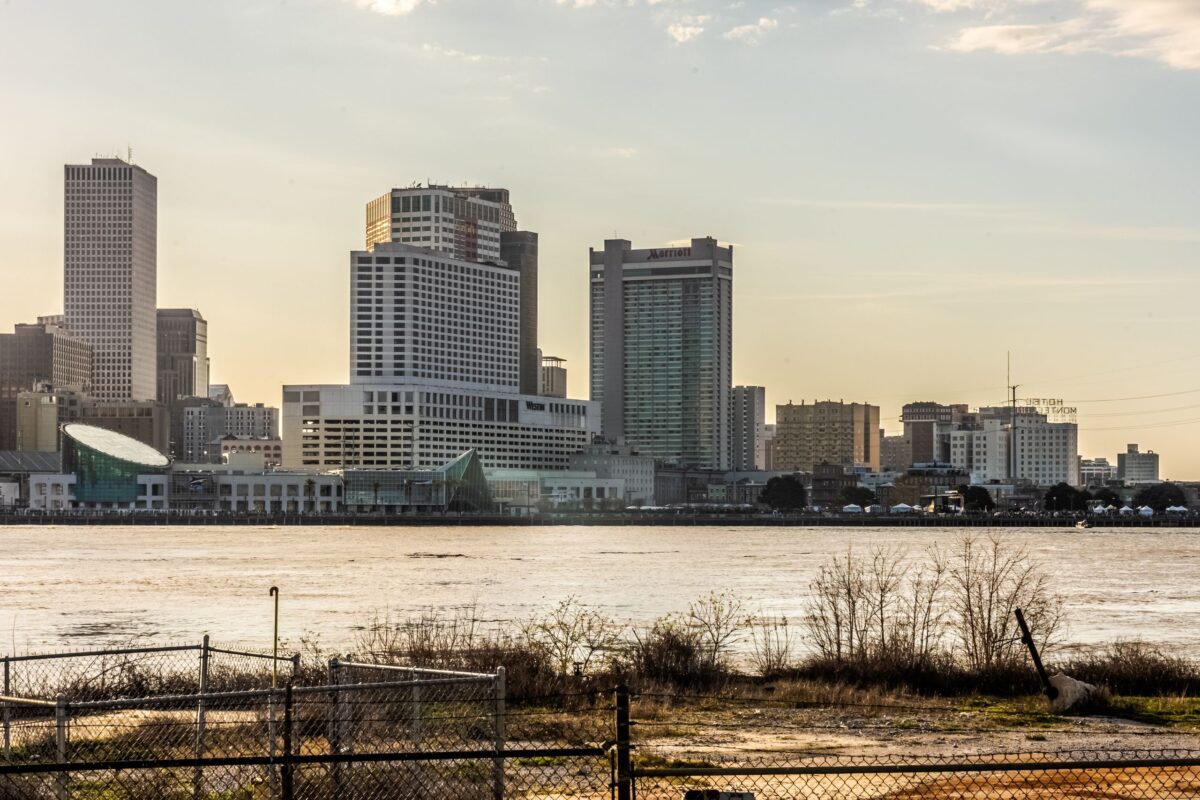
New Orleans continues to sit at the intersection of history and risk. Years after major storm events reshaped the region, insurance pricing has not fully stabilized.
Flood risk remains a central driver, but it is not the only factor. Rebuilding costs, infrastructure vulnerability, and long-term climate modeling have all contributed to higher premiums across the metro area.
Even homeowners who have taken mitigation steps, such as elevating structures or improving drainage, are still seeing rising costs. That is because insurers are increasingly pricing risk at the neighborhood and regional levels rather than at the level of individual property improvements alone.
The result is a city where the emotional value of homeownership often clashes with the financial reality of maintaining coverage.
Oklahoma City, Oklahoma, and the Cost of Severe Storm Country
In Oklahoma City, the story is shaped by a different kind of weather. Tornadoes, hailstorms, and high wind events define the risk profile, and insurers are paying close attention.
Hail damage in particular has become one of the most expensive and frequent sources of claims in the region. Roof replacements, vehicle damage, and exterior repairs create large spikes in insurance payouts after major storm seasons.
As a result, premiums have been climbing steadily. Many homeowners are now seeing increased deductibles specifically tied to wind and hail coverage, meaning out-of-pocket costs rise even when insurance is in place.
For families, this creates a difficult reality. Protection still exists, but it comes with a higher financial threshold before it actually provides relief.
Denver, Colorado, Where Hail and Wildfire Risk Collide
Denver’s insurance challenges come from a combination of threats rather than a single source. Hailstorms frequently damage roofs and siding in urban neighborhoods, while wildfire risk in surrounding regions affects broader insurance modeling.
This dual exposure has made Colorado one of the more expensive states for homeowners’ insurance growth. Even properties far from forested areas are impacted because insurers evaluate statewide risk patterns.
The impact is especially visible in newer housing developments where rapid construction has not always kept pace with evolving weather risks. Homeowners in these areas are often surprised by how quickly premiums adjust after initial policy years.
Texas Cities Under Constant Repricing Pressure
In cities like Houston and San Antonio, insurance costs have been climbing due to a combination of hurricanes, flooding events, and extreme weather volatility.
Texas has also become a focal point for large-scale property claims in recent years, influencing how insurers structure pricing across the state. Reinsurance costs, which insurers pay to protect themselves from catastrophic losses, have also risen significantly and are being passed down to consumers.
For homeowners, this means premiums are no longer stable year to year. They shift with storm seasons, rebuilding costs, and broader national insurance market pressures.
In practical terms, a Texas homeowner may see their insurance bill rise even without any change to their property or personal claims history.
Las Vegas, Nevada, and the Surprising Role of Flash Flooding

Las Vegas is often associated with desert heat and dry landscapes, but flash flooding has become a growing concern in insurance models.
Rapid urban expansion has added more paved surfaces, which increases runoff during sudden rain events. Combined with infrastructure stress and climate variability, insurers are adjusting risk assessments in response.
While not as extreme as coastal hurricane zones, the steady increase in premiums reflects how even traditionally low-risk regions are no longer immune to pricing shifts.
Why Insurance Costs Are Rising Faster Than Wages
Across all these cities, one pattern stands out. Insurance costs are rising faster than household incomes in many cases.
There are several reasons behind this. Rebuilding materials have become more expensive. Labor shortages in construction slow down recovery after disasters. And extreme weather events are increasing in both frequency and severity.
Insurers also rely on reinsurance markets, which have become more expensive globally. When those costs rise, they flow directly into homeowner premiums.
The result is a system where even stable homeowners feel pressure during renewal cycles.
The Hidden Impact on Families and Neighborhoods
These increases do not stay confined to billing statements. They influence real-life decisions.
Some families delay buying homes. Others reconsider where they want to live. Retirees on fixed incomes feel the pressure most acutely, especially when premiums rise alongside property taxes and utility bills.
Renters are also indirectly affected. Landlords facing higher insurance costs often adjust rent to balance expenses. That means insurance inflation spreads beyond homeowners into entire housing markets.
Small businesses feel it too, especially those operating in older buildings or high-risk zones. Higher insurance costs can limit expansion, hiring, or even long-term viability in certain neighborhoods.
A New Era of Housing Cost Reality in America
The fastest rising insurance costs in the country are not just a financial trend. They are becoming a defining feature of modern homeownership in the United States.
Cities like Miami, New Orleans, Oklahoma City, Denver, Houston, San Antonio, and Las Vegas are showing what happens when environmental risks, construction costs, and insurance markets all rise simultaneously.
For homeowners, the message is clear but uncomfortable. Owning a home is no longer just about qualifying for a mortgage. It is about adapting to a shifting cost structure that changes year after year. And in many of America’s most affected cities, that structure is still rising.