10 Popular City Nicknames That Make You Believe Lies About Their Origins
City nicknames are supposed to simplify identity, but sometimes they do the exact opposite. They sound catchy, tourist-friendly, and harmless, until you realize some are based on ancient rivalries, marketing gimmicks, or hidden histories. These names stick in your head, yet almost nobody knows their real origins. Prepare to have your assumptions shaken as we uncover 10 famous city nicknames and the stories behind them.
New York City – The Big Apple
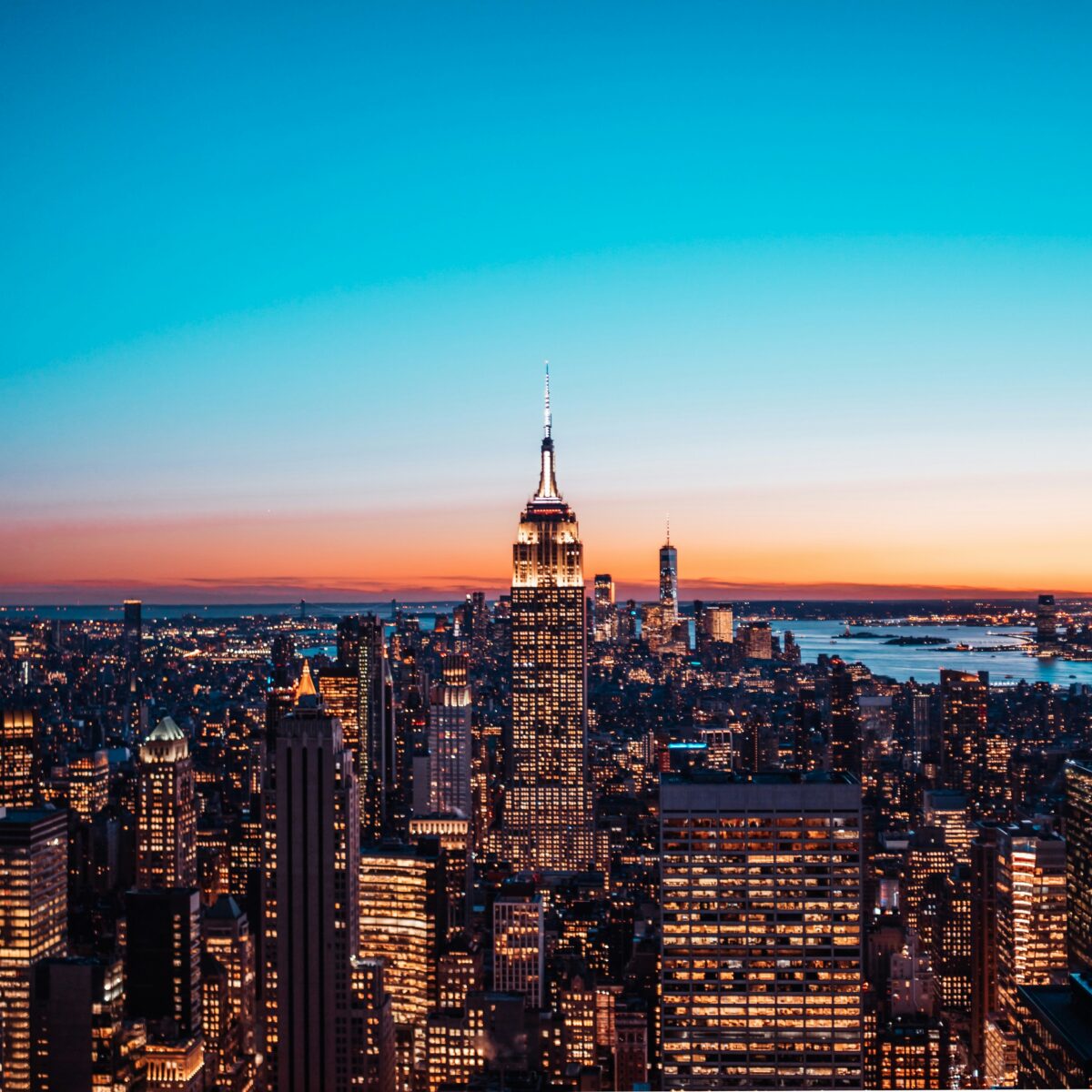
Most think New York earned “The Big Apple” from juicy fruit farms, but it’s actually a nod to horse racing. In the 1920s, sports journalist John J. Fitz Gerald popularized it after hearing riders refer to the city as the “big prize.” By the 1970s, it became a tourism slogan, transforming a racing phrase into one of the world’s most iconic city nicknames, perfectly reflecting the city’s ambition, opportunity, and high-stakes energy.
Chicago – The Windy City
Chicago’s nickname rarely refers to the weather. Instead, it originated from late 19th-century political debates and newspaper rivalries, mocking the city’s boastful politicians. The phrase stuck, symbolizing a city loud with ambition and civic pride, not just lakeside breezes. Today, it evokes grit, determination, and a city that knows how to command attention beyond its literal gusts.
Los Angeles – The City of Angels
“The City of Angels” is a straightforward translation of Los Angeles from Spanish, originally referencing “The Town of the Queen of the Angels.” Yet the nickname contrasts with LA’s reputation as a cutthroat entertainment hub. It highlights the city’s dual nature: a soft, dreamlike façade layered over a relentless culture of ambition, creativity, and relentless reinvention.
Las Vegas – Sin City
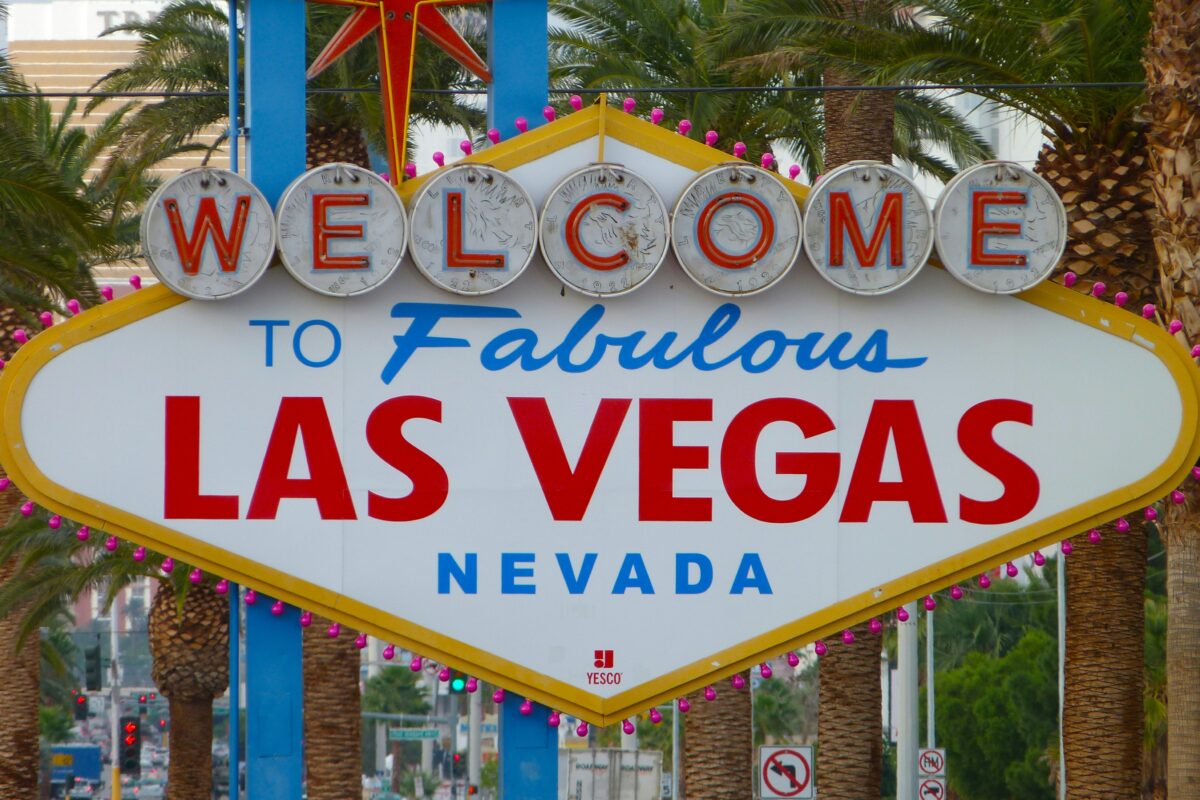
Las Vegas earned its infamous moniker for its gambling, nightlife, and adult entertainment. The nickname embodies permission, indulgence, and risk, drawing visitors in with a promise of experiences most cities won’t openly advertise. Even with its modern conventions and luxury resorts, “Sin City” still perfectly markets the city as a destination for temptation and fantasy.
New Orleans – The Big Easy
New Orleans’ nickname reflects jazz culture, nightlife, and a laid-back lifestyle. “The Big Easy” first appeared in press coverage describing smooth-sailing musicians and the city’s unhurried vibe. Beyond surface-level charm, it embodies a cultural rhythm in which music, celebration, and resilience intertwine, creating a city that’s easygoing on the surface yet rich in history and complexity beneath.
Detroit – Motor City
Detroit’s industrial backbone earned it “Motor City,” a nod to Henry Ford and the rise of automobile manufacturing. The nickname signifies innovation, work ethic, and Detroit’s outsized impact on American mobility. Despite economic struggles, the name still conveys strength, endurance, and a city that powered the nation’s industrial dreams through machinery and sheer determination.
Seattle – The Emerald City

Seattle adopted “The Emerald City” in the 1980s to promote tourism and highlight its lush greenery. Nestled among forests, mountains, and water, the name emphasizes natural beauty and environmental pride. Beyond its scenic charm, it encapsulates Seattle’s unique personality: green, vibrant, and alive with culture, tech innovation, and a deep connection to the natural world.
Philadelphia – The City of Brotherly Love
The city’s nickname stems from the Greek meaning of “Philadelphia,” which emphasizes love and community. William Penn envisioned a city built on tolerance and cooperation, ideals that shaped its early development. Today, the nickname embodies loyalty, fierce local pride, and a city that celebrates both camaraderie and resilience in its historic streets.
Boston – Beantown
Boston’s “Beantown” nickname originates from colonial-era baked beans sweetened with molasses. While it sounds whimsical, it reflects deeper historical identity, linking food traditions with civic pride. The nickname captures Boston’s charm: a mix of history, intellect, sports culture, and neighborhood loyalty that makes the city simultaneously approachable and unforgettable.
Paris – The City of Light

Paris became “The City of Light” due to early adoption of street lighting and its role as a cultural and intellectual beacon. The nickname symbolizes safety, enlightenment, and innovation, highlighting both literal illumination and metaphorical brilliance. Parisian streets, art, and philosophy continue to shine, making this nickname a timeless reflection of its world-renowned aura and influence.
Conclusion
City nicknames are deceptively simple. They are branding tools, historical reminders, and cultural snapshots that often hide the quirks, conflicts, and creativity behind each metropolis. The next time you hear “The Big Apple” or “Sin City,” remember there’s a story behind the phrase, sometimes stranger, deeper, and more fascinating than the city itself.