15 Shocking Truths About the Bottled Water Industry
Bottled water has become a staple of modern life. It’s convenient, refreshing, and often perceived as healthier than tap water.
But beneath the surface of this booming industry lies a darker, more complicated reality. Here are 15 shocking truths about the bottled water industry that you need to know.
Bottled Water Isn’t Always Cleaner Than Tap Water
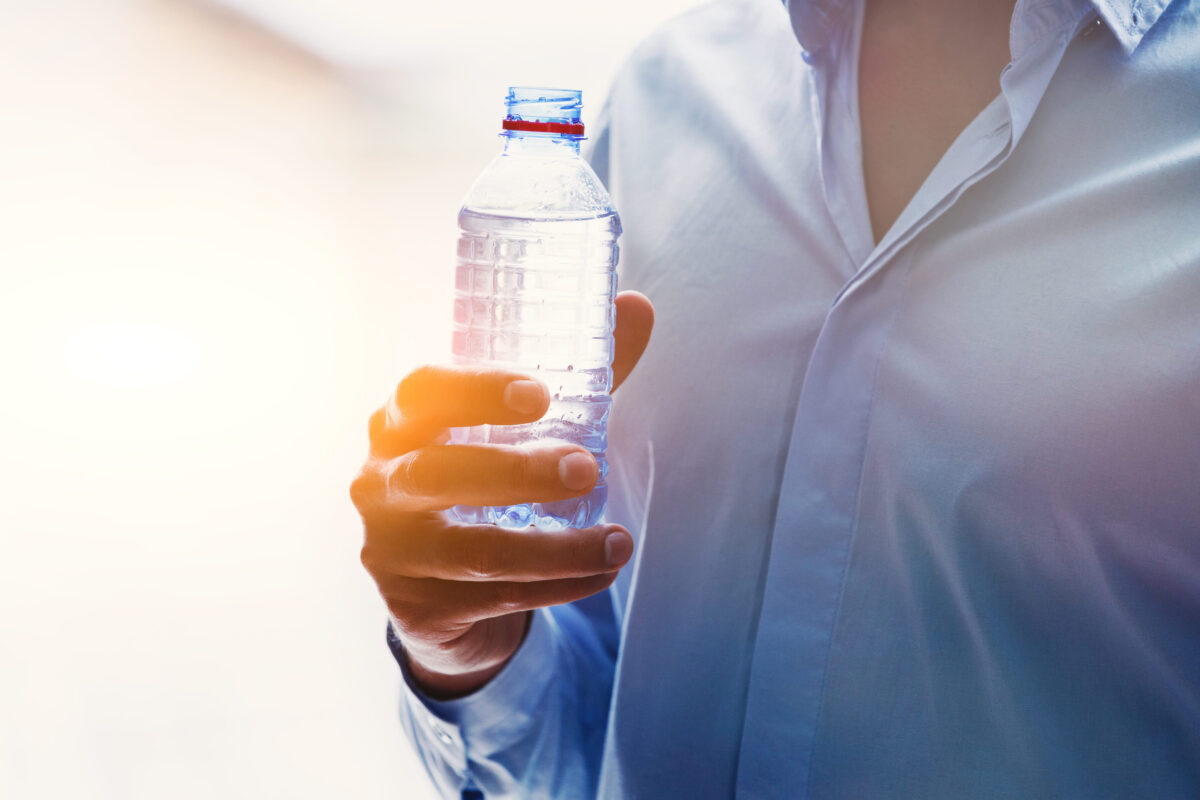
While many consumers assume bottled water is cleaner or more purified than tap water, that isn’t always true.
In fact, some bottled water is sourced directly from municipal tap water. In certain cases, it may be treated or filtered, but not always to a higher standard than tap water.
Plastic Waste Is a Huge Environmental Issue
Bottled water is one of the largest contributors to plastic pollution worldwide.
The production of plastic bottles requires vast amounts of petroleum, and only a fraction of them are recycled. The rest end up in landfills or the ocean, where they take centuries to decompose.
Bottled Water Uses Massive Amounts of Energy
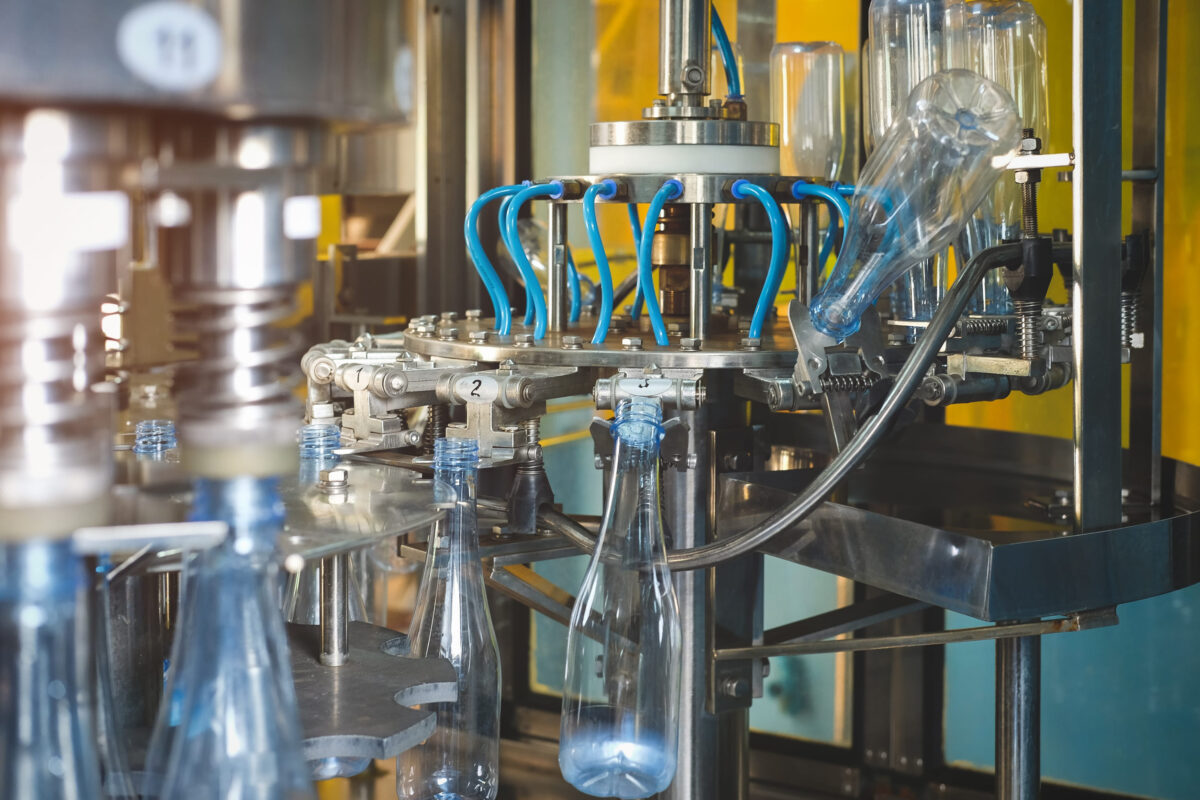
From extraction to distribution, the bottled water industry consumes a staggering amount of energy. The production process requires large amounts of water and energy to create, clean, and transport plastic bottles.
The carbon footprint of bottled water is much higher than that of tap water.
The Price Markup Is Absurd
Bottled water can cost anywhere from 240 to 10,000 times as much as tap water.
While tap water is a municipal service, bottled water is treated as a commodity, often sold at high prices despite often coming from the same source as local tap water.
Bottled Water May Contain Harmful Chemicals

Some studies have shown that bottled water can contain harmful chemicals, such as phthalates, BPA (bisphenol A), and microplastics.
These contaminants can leach into water from plastic bottles during storage, especially at high temperatures, posing potential health risks.
Many Brands Are Just Tap Water in Disguise
Some major bottled water brands, such as Aquafina and Dasani, source their water directly from public tap supplies.
After extracting the water, they may undergo a filtration process, but it is often no different from the water flowing out of your home tap.
The Bottled Water Industry Can Deplete Local Water Supplies
Bottled water companies often extract water from local natural springs or aquifers for commercial use.
In some cases, this leads to the depletion of these water sources, particularly in regions already suffering from water scarcity. Many communities are left without access to clean water, while bottled water companies profit.
Bottled Water Contributes to Deforestation
In some regions, the production of bottled water leads to deforestation.
For example, in countries where water is sourced from forests, the infrastructure needed to collect and bottle water often comes with high environmental costs, including habitat destruction.
Bottled Water Is Overhyped for Marketing
The marketing around bottled water is often misleading.
Many brands emphasize the purity and natural origins of their water, but this can be more about clever advertising than actual quality. Labels like “spring water” or “artesian water” can make water seem more exotic or pristine than it actually is.
Bottled Water Has a Limited Shelf Life
Although bottled water can last a long time, it’s not immune to spoilage. Over time, the water quality may deteriorate, especially if the bottles are exposed to heat or sunlight.
Chemicals from the plastic can leach into the water, making it taste stale or even unsafe to drink.
Many Bottled Waters Are Just Repackaged Tap Water
In many cases, the water that ends up in bottles comes from municipal sources, filtered and re-packaged in plastic bottles.
There is little distinction between what you get in a bottle and what you might get from your own faucet, apart from the price tag.
Bottled Water Can Be More Contaminated Than Tap Water
Tap water in developed countries is often subject to strict regulations and regular testing, whereas bottled water is not always tested as rigorously.
Studies have found that some bottled water brands contain higher levels of bacteria and other contaminants compared to tap water.
Bottled Water Is a Significant Contributor to Climate Change
The process of manufacturing, bottling, and distributing water creates significant greenhouse gas emissions.
Plastic production alone contributes to carbon emissions, and transporting bottled water long distances adds further strain on the environment.
Bottled Water Leads to a False Sense of Water Security
Bottled water brands often promote the idea that their product is “safer” or “healthier” than tap water. However, many experts argue that this can lead to a false sense of water security.
Instead of addressing systemic issues with public water infrastructure, it encourages consumers to rely on bottled water as a quick fix.
Bottled Water Companies Are Not Transparent About Their Sourcing
While bottled water companies often tout their water sources as pristine and pure, they rarely provide full transparency regarding how and where they source their water.
Many companies extract water from regions with water scarcity or from places with controversial extraction practices, but this information is often buried in fine print.
Conclusion
The bottled water industry may seem like a convenient solution for hydration, but the facts reveal a much more complicated and concerning reality. From environmental damage to questionable sourcing practices, the true cost of bottled water is far higher than most consumers realize. With plastic pollution, water depletion, and unnecessary energy consumption at all-time highs, it’s time to rethink the convenience of bottled water.
In the face of these shocking truths, more people are turning to reusable bottles, home filtration systems, and tap water as a more sustainable and cost-effective alternative. The future of clean, accessible water lies in addressing the root causes of water waste, plastic pollution, and environmental destruction – and making conscious choices about where our water comes from. Only then can we begin to move toward a healthier, more sustainable future for both people and the planet.