Simone Biles’ Health Scare Reveals the Hidden Pressures of Elite Athletics
Simone Biles, one of the most decorated gymnasts in Olympic history, recently shared a harrowing health scare that left her fighting for her life. At just 29, Biles’ experience underscores an often-overlooked reality: even the fittest and most resilient athletes are not immune to sudden medical crises.
The incident, which she shared through social media alongside hospital wristbands and bed-rest updates, offers a rare window into the intense physical and mental pressures that elite athletes endure behind the scenes. Behind the glamour of gold medals and worldwide acclaim lies a demanding schedule that can place extraordinary stress on the body.
Years of grueling training, constant competition, and travel across time zones can compromise even the most carefully monitored health regimes. Her recent hospitalization brings this hidden strain into stark relief for the public, reminding us that peak performance comes with significant risks.
The Physical Demands That Can Catch Athletes Off Guard
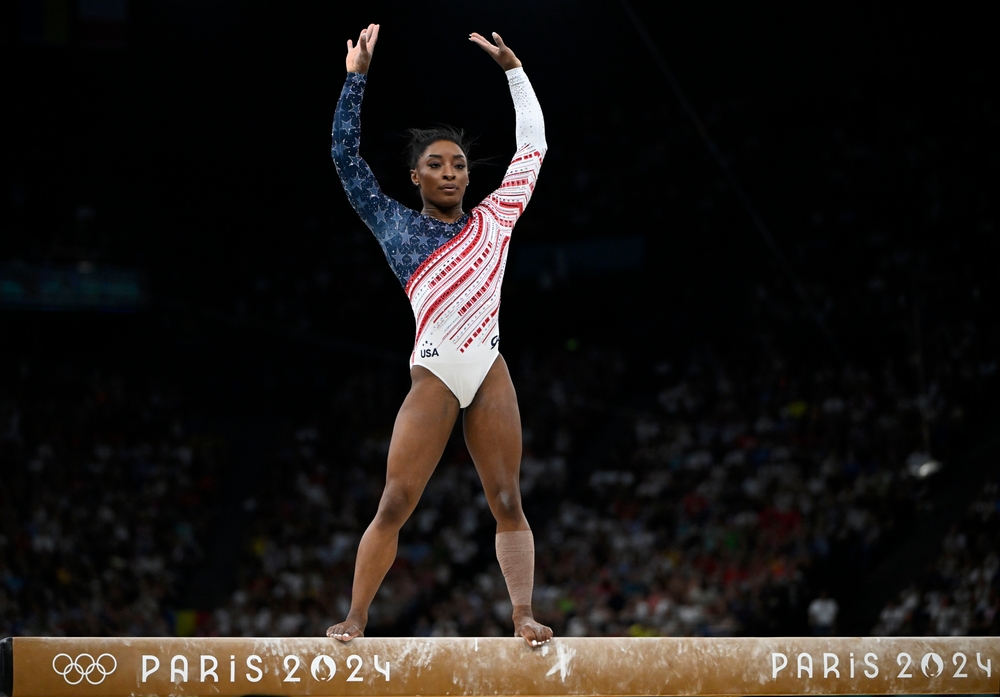
Elite gymnastics pushes the human body to extremes. Daily routines often include hours of high-impact training, complex aerial maneuvers, and intensive strength conditioning. While injuries are expected, the accumulation of physical stress over the years can create vulnerabilities that manifest unexpectedly, even in athletes who maintain rigorous health monitoring.
Biles’ health scare highlights how accumulated stress, coupled with the demands of competition, can trigger emergencies without warning. Cardiovascular strain, metabolic stress, and intense muscle exertion may combine with subtle underlying conditions, creating a precarious situation that even seasoned medical teams struggle to anticipate.
Her experience serves as a critical reminder for athletes and coaches alike: consistent preventive care and attentive monitoring are essential, even for those in peak physical condition.
Mental Strain and Its Role in Athlete Health
Physical conditioning is only one piece of the puzzle. Mental health pressures often weigh as heavily as the physical demands. The expectation to perform flawlessly under global scrutiny, maintain public personas, and balance personal life introduces chronic stress that can exacerbate physical vulnerabilities.
For Biles, being separated from her support network, “her husband, Jonathan Owens”, was out of state during the incident, which added an emotional layer to an already intense medical crisis.
Isolation during high-stakes health events can increase anxiety, impede recovery, and create additional psychological burden. Experts increasingly recognize that mental resilience is as crucial as physical strength in elite sports, and Biles’ openness highlights the importance of addressing both.
Lessons for Athletes and Fans Alike
While few of us will experience the pressures of Olympic-level competition, there are broader takeaways from Biles’ health scare. First, the importance of preventive care cannot be overstated. Regular health check-ups, stress management techniques, and open communication with medical professionals are essential for managing risk, even in seemingly healthy adults.
Second, emotional support networks play a critical role during crises. Biles’ acknowledgment of her “close circle” highlights the importance of having reliable support when navigating unexpected health challenges. Finally, her transparency encourages conversations about athlete health, challenging the misconception that elite performers are invulnerable.
How the Public Perception of Athlete Vulnerability Is Changing
Biles’ willingness to share her health scare publicly reflects a shift in how society views elite athletes. No longer are they untouchable icons; they are human beings facing complex physical and emotional challenges.
This new transparency fosters empathy and encourages fans, aspiring athletes, and policymakers to prioritize well-being over performance metrics alone. Social media amplifies this effect.
By documenting her experience with candid updates and images, Biles not only reassures fans of her recovery but also provides a rare glimpse into the realities of high-performance sports. It challenges the culture of silent endurance and highlights the need for systemic changes in athlete care, including mental health support, medical oversight, and realistic performance expectations.
A Reminder That Peak Performance Is Not Invincibility
Simone Biles’ health scare is a wake-up call for the sporting world and for anyone pushing themselves to extreme levels of performance. It reminds us that even the most accomplished athletes are vulnerable, and that prioritizing holistic health is paramount.
Her story encourages a culture where health transparency, preventive care, and support networks are as celebrated as medals and victories. Biles’ openness provides a blueprint for athletes, coaches, and fans alike: respect the limits of the human body, seek help when needed, and recognize that true strength encompasses both resilience and vulnerability.