8 Shocking Reasons More Couples Are Clashing Over Phone Privacy
Phones that were meant to connect us are now tearing couples apart. Digital devices have become a hidden source of conflict, trust issues, and emotional distance in relationships. From secret apps and constant notifications to social media drama and hidden financial activity, smartphones are quietly fueling fights that never seem to end.
Couples are increasingly panicking over what’s on each other’s devices, and the small disputes over phone privacy are snowballing into major rifts. Here are shocking reasons more couples are clashing over phone privacy.
Secret Messaging Apps and Hidden Conversations

Apps designed for privacy or disappearing messages are at the center of many fights. Partners fear their significant other is hiding conversations, even when there’s nothing inappropriate happening.
The presence of encrypted messaging or secret apps can create suspicion and erode trust, even in otherwise healthy relationships. Couples argue because phones now allow for private communication that was previously impossible, making secrecy both easier and more emotionally damaging.
Social Media Activity and Online Interactions
Likes, comments, and follows can spark jealousy and conflict. Even seemingly innocent interactions on platforms like Instagram, TikTok, or Twitter can trigger fights. Partners may obsess over who is messaging, liking, or tagging, interpreting social media activity as a sign of interest or betrayal. With social media integrated into daily life, even small digital interactions can become major sources of tension between couples.
Constant Notifications and Accessibility
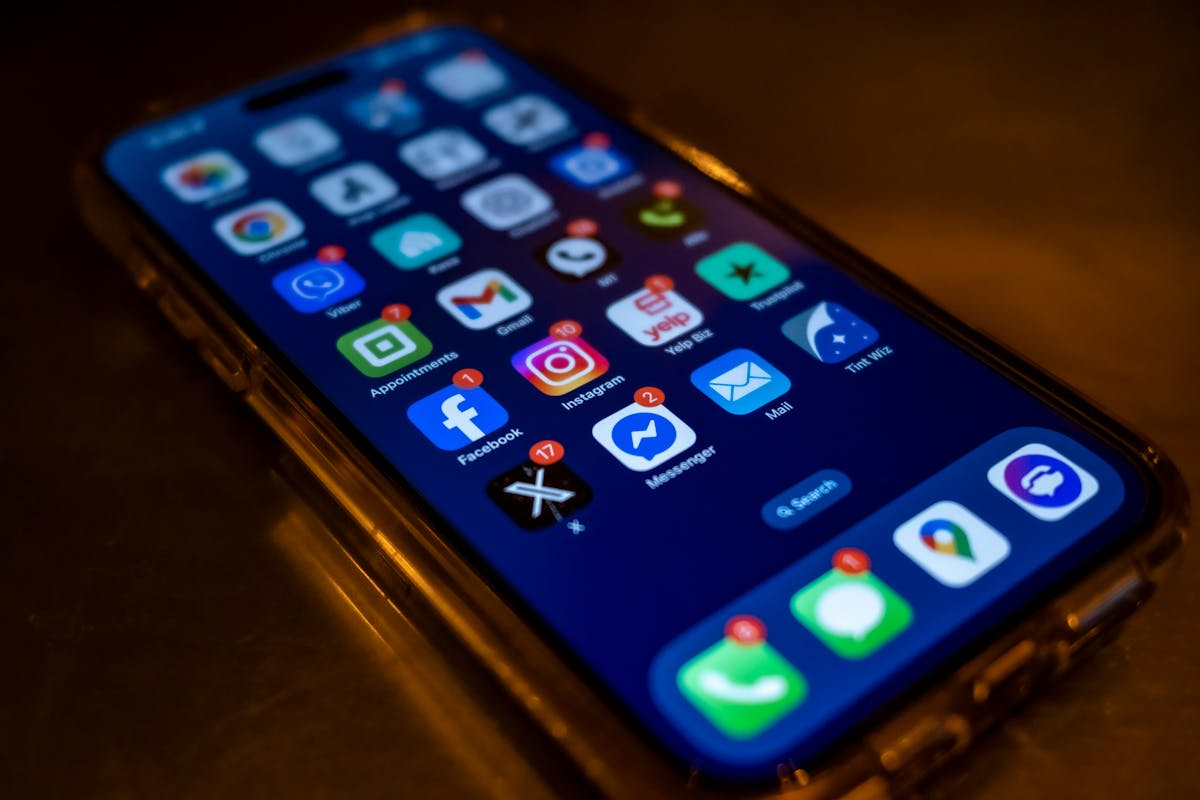
The expectation to be available 24/7 is stressing relationships. Phones ping with texts, emails, or work messages, leaving partners feeling ignored, undervalued, or frustrated. Disputes often arise when one partner feels the other is prioritizing their phone over the relationship. Smartphones may promise connection, but the constant notifications are fueling arguments about attention, presence, and boundaries.
Location Tracking and Geofencing
Apps that share location data can spark fights over who knows what, when, and where. Partners may check each other’s location for reassurance or out of suspicion, creating feelings of invasion and mistrust. While location sharing was once considered convenient, it has become a battleground for control and privacy in modern relationships.
Financial Transparency and Mobile Purchases

Digital payments, banking apps, and online subscriptions have added a new layer of tension. Partners may fight over hidden purchases, app subscriptions, or unexplained charges, questioning financial honesty. Phones make it easy to spend without transparency, and money, already a top source of relationship conflict, is now intertwined with debates over phone privacy.
Dating Apps Left on Devices
Even if someone isn’t actively using a dating app, its presence can ignite conflict. Seeing Tinder, Bumble, or similar apps on a partner’s phone can spark insecurities, jealousy, and arguments, regardless of actual intent. The fear of infidelity is amplified by technology, making even dormant dating apps a source of tension and mistrust.
Passwords and Locked Devices

Passwords and fingerprint locks, while essential for security, are increasingly viewed as barriers to trust in relationships. Partners may pressure each other for access, leading to arguments about boundaries, privacy, and honesty. Locked devices, previously considered personal security, now carry emotional weight, turning standard privacy practices into sources of suspicion and conflict.
Over-Sharing and Digital Boundaries
Some fights arise from oversharing personal details or intimate moments online. Partners may disagree on what’s appropriate to post, share, or keep private. Digital boundaries are increasingly difficult to navigate, as phones make it easy to broadcast personal life instantly. What one partner considers harmless may feel like a violation of trust to the other, making phones a frequent trigger for arguments about respect, privacy, and boundaries.
Conclusion
Phones have become both essential and dangerous in modern relationships. From secret apps and social media activity to location tracking and locked devices, privacy conflicts are escalating worldwide among couples. Technology may promise connection and convenience, but it also creates suspicion, jealousy, and emotional distance. Recognizing the role phones play in relationship tension and establishing clear digital boundaries is essential. Couples must communicate openly about privacy, trust, and expectations to prevent small phone habits from escalating into larger conflicts.