10 American Rules and Customs That Leave Outsiders Completely Confused
America can feel familiar from movies, music, fast food, and social media. Then visitors arrive and realize the country has its own strange rulebook. Some customs seem practical once you understand their history. Others still sound odd, even after someone explains them twice.
The funny thing about the United States is that everyday life often runs on a mix of law, habit, safety culture, lawsuits, religion, local rules, and personal freedom. That creates a country where you can buy a giant soda, carry a passport-sized wallet full of loyalty cards, get asked to tip on a tablet, and still discover that one chocolate egg is a legal problem. Here are 10 U.S. laws and customs many outsiders find unusual.
Banning Kinder Surprise Eggs
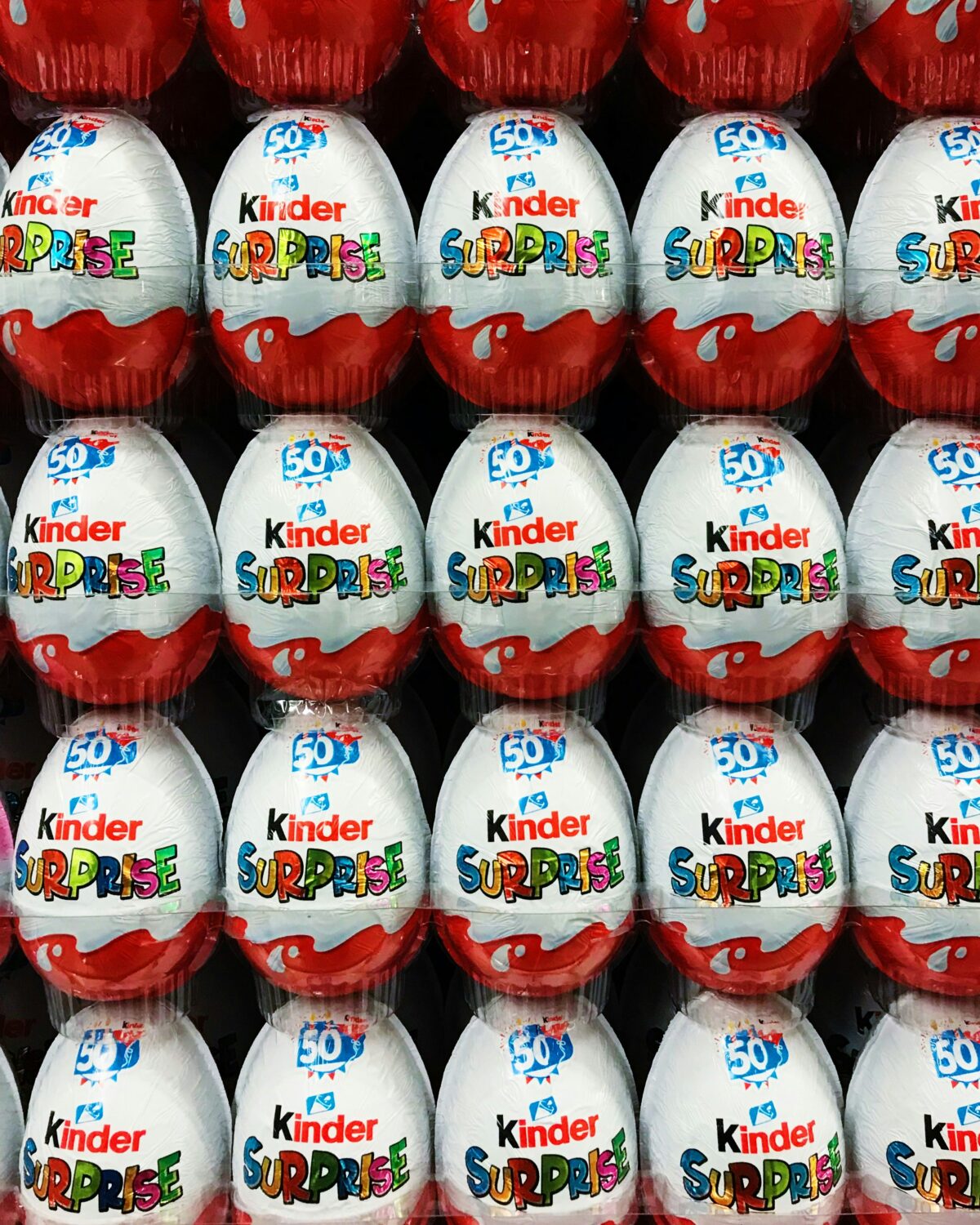
To many Europeans, the American issue with Kinder Surprise eggs feels almost unbelievable. A chocolate egg with a small toy inside sounds harmless, nostalgic, and very normal in many countries. In the U.S., though, federal food safety rules have long treated candy with embedded non-food objects as a choking risk.
That is why the original Kinder Surprise egg has faced import restrictions in the U.S. The rule is not about hating chocolate or children’s treats. It concerns a strict safety standard that prohibits the inclusion of non-edible objects in confectionery products. To outsiders, it can feel dramatic, especially in a country where many other risky things seem easier to access.
The Drinking Age Is 21
Many visitors are shocked that Americans can vote, join the military, sign contracts, and live independently at 18, yet cannot legally buy alcohol until 21. In many countries, the legal drinking age is 18 or even lower, so the American rule can feel unusually strict.
The U.S. drinking age became tied to highway funding after the National Minimum Drinking Age Act of 1984. Today, all 50 states and Washington, D.C., set 21 as the minimum age to purchase alcohol. Supporters connect the rule to road safety and underage drinking prevention, but outsiders often see it as one of America’s biggest age-related contradictions.
Tipping Feels Almost Mandatory
Tipping in America can confuse visitors faster than almost anything else. In some countries, a tip is a small bonus for excellent service. In the U.S., it often feels like an expected part of the bill, especially at restaurants, bars, salons, delivery services, and ride-share trips.
The reason goes deeper than politeness. Federal labor rules allow employers to pay tipped workers a lower direct cash wage as long as tips bring their total earnings up to the required minimum wage. That makes tipping feel less like a reward and more like part of the wage system. For outsiders, the awkward tablet screen asking for 20 percent can feel like emotional blackmail with a smile.
Sales Tax Appears at Checkout
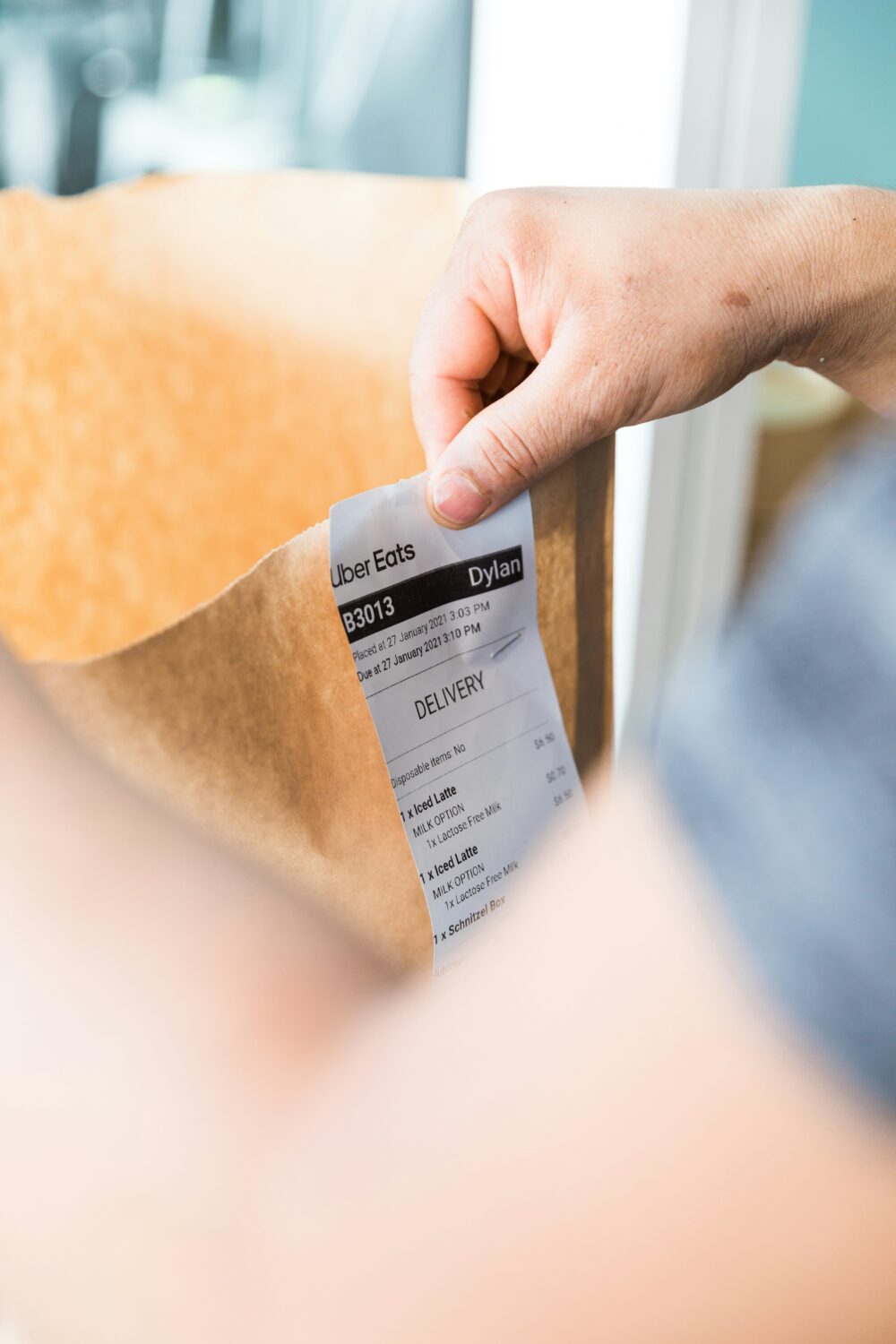
In many countries, the price on the shelf is the price you pay. In the U.S., shoppers often discover the final cost only at the register. That $19.99 item may increase to $21.40 or more after sales tax is applied.
This happens because sales tax varies by state, county, city, and special tax district. Retailers usually list the pre-tax price, then add the tax at checkout. Americans are used to doing the mental math, but visitors often find it annoying, especially when traveling between states with different rates.
No Shoes, No Shirt, No Service
The phrase “No shoes, no shirt, no service” feels very American. It appears on store doors, diner windows, gas stations, and beach-town restaurants. For visitors from relaxed coastal cultures, the rule can feel stiff, especially when the weather is hot.
The custom is usually tied to hygiene, safety, and business rights. Bare feet can create safety concerns in stores where glass, spills, or sharp objects may be on the floor. Shirtless customers can make indoor dining spaces feel uncomfortable for others. Americans often treat the rule as basic public manners, even when it seems funny in a country that also sells flip-flops everywhere.
Sunday Alcohol Rules Still Exist
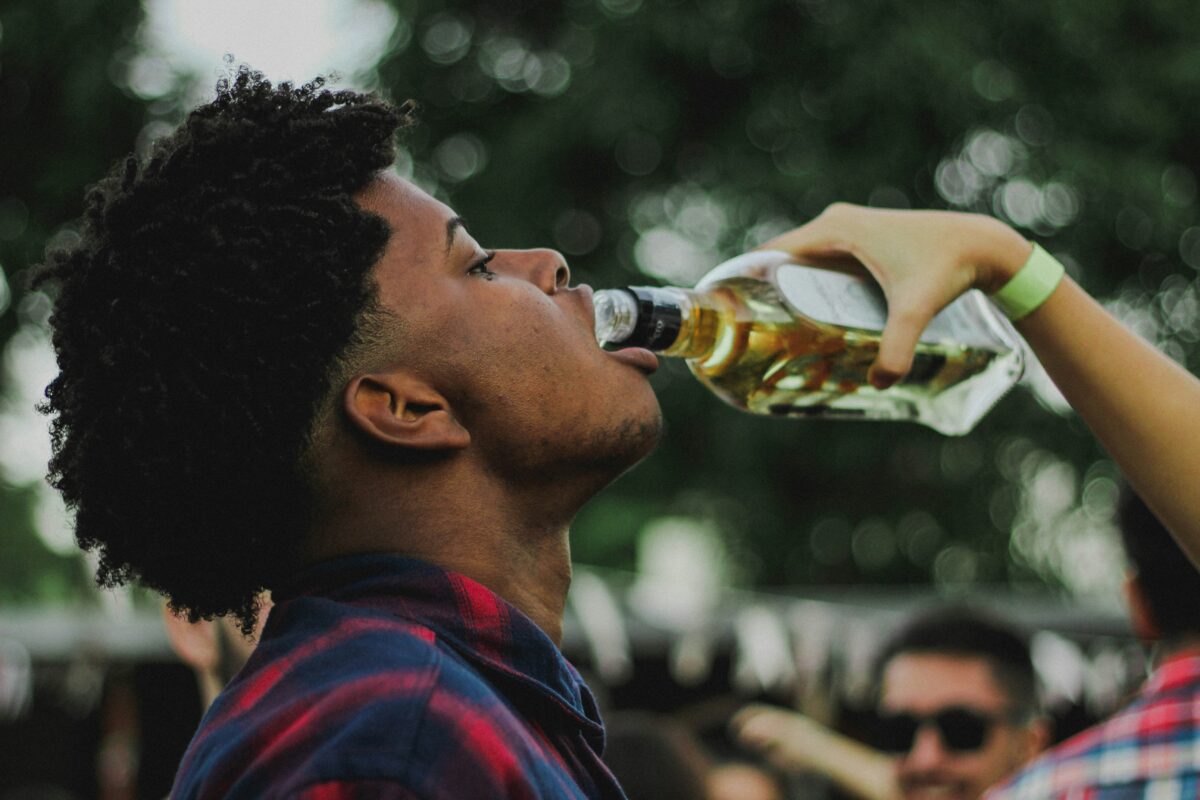
Some outsiders are surprised to learn that alcohol sales can change depending on the day, the hour, and the state. In certain places, you may find alcohol sales limited on Sunday mornings or restricted by local rules. These laws are often called blue laws.
Many of these rules have religious roots, especially the idea that Sunday should remain a day of worship or rest. Over time, many states relaxed them, but traces still remain across parts of the country. For visitors, it can feel strange to see modern supermarkets, sports bars, and liquor stores still shaped by old moral codes.
Rainwater Collection Can Be Regulated
Collecting rain sounds like one of the most natural things a person can do. In some parts of the U.S., however, rainwater collection has been shaped by complex water rights laws. That surprises visitors from countries where saving rainwater is treated as ordinary household wisdom.
Colorado is one of the most famous examples. Rainwater collection from residential roofs became legal there in 2016, but it still comes with limits, including restrictions on barrel capacity and use. The rule reflects the American West’s long history of water rights, drought pressure, and competing claims over natural resources.
Local Dress Rules Can Feel Personal
Some U.S. towns and cities have passed or debated rules against clothing styles such as sagging pants. To outsiders, this can feel like the government entering deeply personal territory. Clothing is expression, identity, culture, comfort, and sometimes rebellion.
Supporters of these rules often frame them as public decency measures. Critics see them as unfair, outdated, or targeted at certain communities. Either way, the fact that a person’s pants could become a legal issue feels strange to many people who expect fashion to be handled by social opinion, not local ordinances.
Children Playing Alone Can Raise Eyebrows
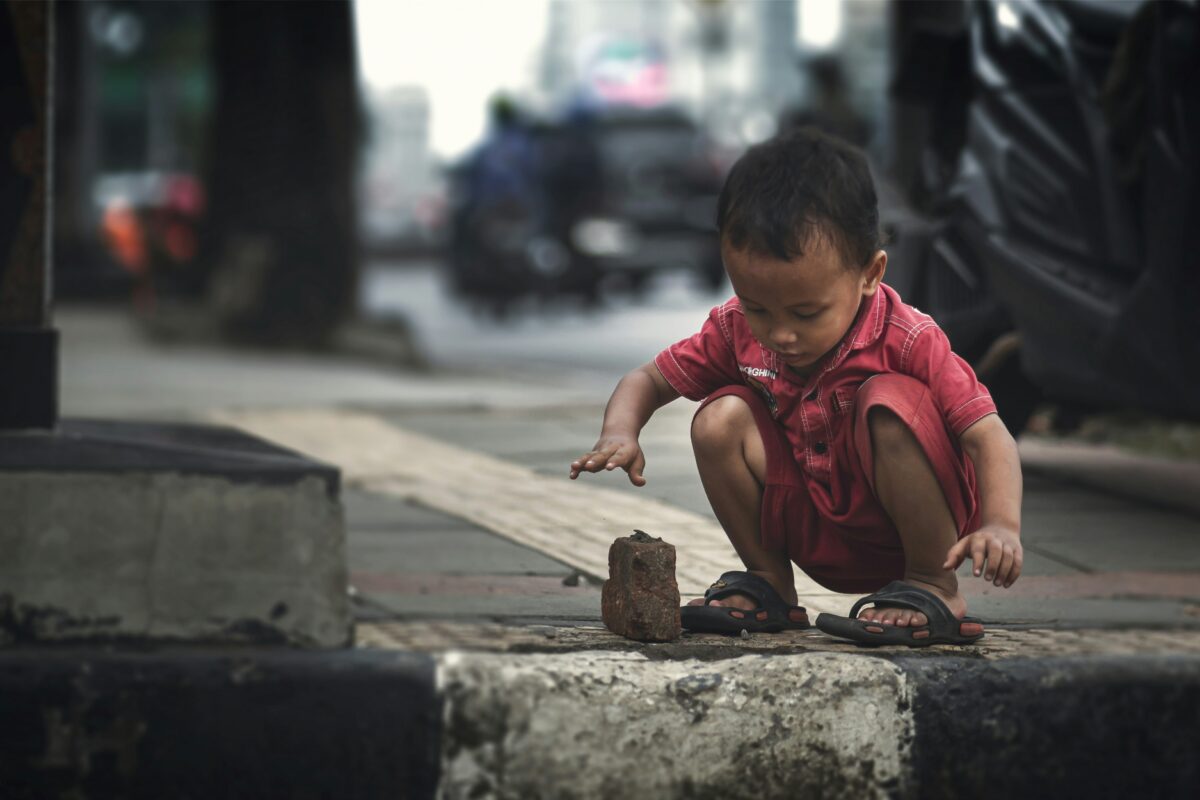
In many countries, children walk to school, play outside, run errands, and explore neighborhoods with little adult supervision. In the U.S., parents can face judgment, complaints, or even legal scrutiny if young children are seen outside alone, depending on the child’s age, the situation, and local expectations.
This does not mean every American child lives under constant surveillance. Still, U.S. parenting culture often emphasizes safety, supervision, and liability awareness. Outsiders may see this as overprotection. Many Americans see it as a form of caution in a country where parents fear accidents, crime, lawsuits, and public criticism.
Public Swearing Can Still Cause Trouble
Free speech is one of America’s proudest ideals, yet some places still have rules or old ordinances about disorderly conduct, offensive language, or profanity in public spaces. That can confuse visitors who assume Americans can say almost anything anywhere.
In practice, enforcement varies widely, and courts have often protected offensive speech. Still, the existence of local rules around public behavior shows the tension between free expression and community standards. America loves liberty, but it also loves signs telling people what not to do.
Conclusion
The U.S. is not unusual for having rules. Every country has rules that look strange from the outside. America stands out because its rules often mix freedom with caution, individual rights with local control, and modern culture with old traditions.
That is why visitors can experience the country as open, friendly, exciting, and confusing all at once. The same place that celebrates personal choice may restrict a chocolate egg, add tax at checkout, expect tipping, and limit alcohol sales by the clock. Once you understand the history, some of it makes sense. Still, from the outside, America can look like a country built from bold freedoms, tiny warnings, and a thousand unwritten customs.