Florida’s Child Hunger Crisis Explodes in 2026: Over 800,000 Kids at Risk
Florida, a state celebrated for its booming economy and vibrant communities, is facing a staggering child hunger crisis. According to the latest data, 1 in 6 children in the state is food insecure, with more than 800,000 kids going to bed hungry. Rising costs, stagnant wages, and shrinking aid programs are pushing families to the brink, turning the Sunshine State into a ground zero for child malnutrition and poverty.
Rampant Food Insecurity Across the State
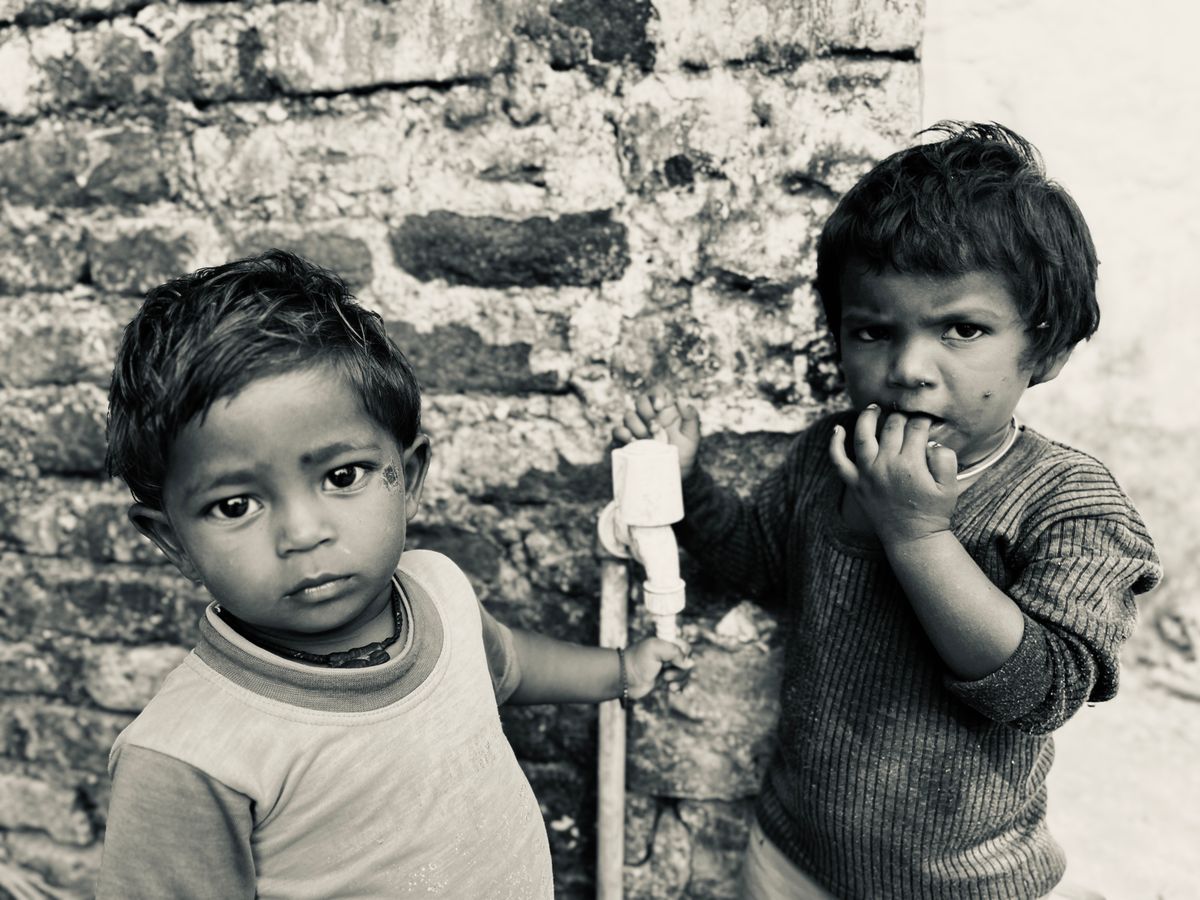
From Miami to Tallahassee, food insecurity affects every county. In classrooms across Florida, at least four children in a typical 20-student class lack reliable access to nutritious meals. The average cost of a meal has surged dramatically, particularly in South Florida.
Families earning minimum wage struggle to afford essentials like milk, eggs, bread, and fresh meat, forcing them to make impossible trade-offs. Low-income workers in tourism, agriculture, and service sectors are disproportionately affected, as their stagnant wages fail to keep up with rising grocery prices.
Safety Net Gaps Leave Families Vulnerable
Federal and state programs meant to mitigate hunger are failing to keep pace with demand. The Child Care Food Program and the Afterschool Meals Program provide some relief, but most federal programs are being cut or scaled back in 2026. 37% of food-insecure families fall just above the federal aid eligibility threshold, leaving millions without assistance.
Local food pantries struggle to keep up with first-time clients who have never needed help before. These gaps create a perpetual cycle of hunger, forcing parents to skip meals or rely on cheap, low-nutrition options, directly harming children’s development.
Health and Education on the Brink

Child hunger in Florida is not just a matter of empty stomachs—it has severe consequences for long-term health and learning. Malnutrition slows cognitive development, reduces attention spans, and contributes to chronic illness. Hungry children report headaches, fatigue, and difficulty focusing, resulting in higher absenteeism and lower academic performance.
Emotional development suffers as stress and anxiety from food scarcity embed into the child’s daily experience. The Florida Department of Health confirms that well-nourished children outperform their undernourished peers, highlighting that the hunger crisis is both a moral and economic emergency.
Economic and Policy Drivers
Multiple systemic issues have intensified the crisis. Inflation, rent, and transportation costs rise faster than wages. The USDA reports Florida’s food insecurity rate jumped from 10.6% in 2021 to 14.4% in 2023, the largest one-year spike since 2008.
Cuts to federal aid programs and state funding reductions exacerbate vulnerabilities, leaving families without a reliable safety net. Florida’s legislature has rejected expanded aid and targeted interventions, prioritizing fiscal conservatism over basic child welfare. The result is a generation growing up malnourished, with lifelong consequences.
Local Initiatives Struggle Against Mounting Need

Programs like Farm to School and UF/IFAS Family Nutrition Programs offer hope, bringing locally grown produce into cafeterias and teaching families to stretch food budgets. School-based pantries and grab-and-go meals help, but USDA data shows child hunger is increasing again post-pandemic.
Over 1.2 million children remain at risk, indicating that grassroots efforts, while commendable, are insufficient to counter state-level policy gaps.
The Human Toll: Families on the Edge
Hunger is felt first in children but affects entire households. Parents face impossible choice, pay the light bill or buy milk, fill the gas tank or provide breakfast.
Food banks report a rise in first-time visitors, signaling that even working families are now in crisis. Chronic food insecurity breeds long-term inequality, locking children into a cycle of disadvantage before they can enter adulthood.