8 Things That Change About Holiday Cooking After 60
For years, the holidays ran on one woman’s schedule. She ordered the bird, baked the pies, set the table, and somehow still had gravy ready the second the turkey came out. If that woman was you, you probably remember the 5 a.m. alarm and the fridge so packed you had to stack dishes on the porch.
Then something shifts. The kids grow up and start families of their own, the guest list changes, and the old way of doing things starts to feel less like a duty and more like a choice. Many cooks over 60 say they still love the holidays as much as ever, but they cook them very differently now.
Some of these changes are about practical things like smaller crowds and fuller calendars. Others are about attitude, and those may be the biggest changes of all. Here are eight ways holiday cooking tends to change once you hit 60, and why many people say the new way is better.
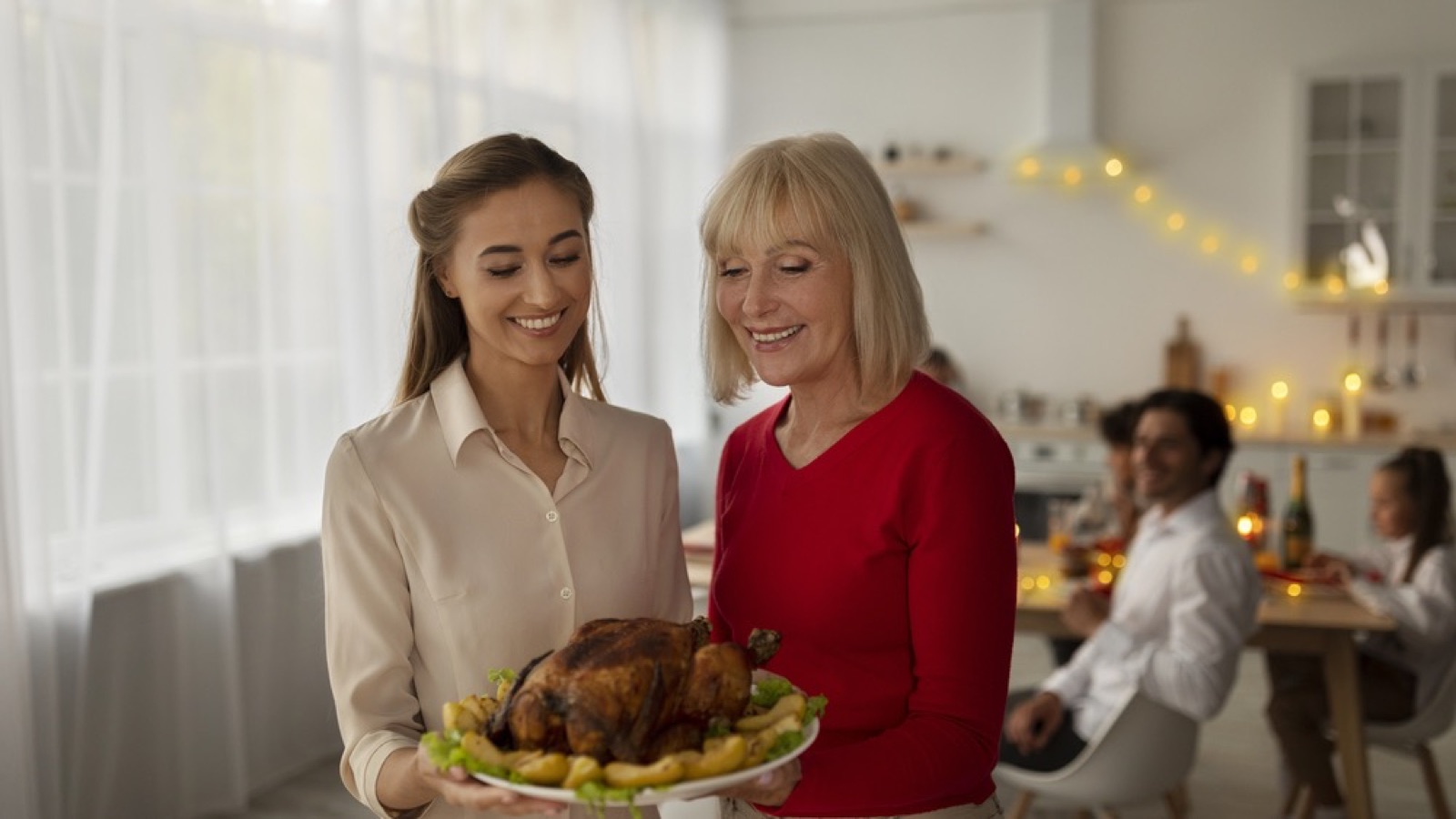
1. The Turkey Gets Smaller (Or Turns Into a Breast)
When the whole clan came home, a giant bird made sense. Cook’s Illustrated’s make-ahead schedule still suggests a 12- to 14-pound turkey for 10 to 12 guests, and plenty of hosts once went bigger than that. But when dinner is six people instead of sixteen, that math stops working.
Food Network’s turkey guide says to plan on about 1 1/2 pounds per guest for a whole bird, or about 8 ounces per guest for boneless meat. That is why so many smaller households now buy a turkey breast or a little bird and call it a day. It thaws faster, cooks faster, and still fills the house with that smell everyone waits for all year.
2. Planning Starts Weeks Ahead, Not the Night Before
Younger cooks often try to do everything on Thursday. Seasoned cooks know better. The same Cook’s Illustrated schedule spreads the work across most of November, with pie dough and dinner rolls made and frozen the week before, cranberry sauce made days ahead, and the stuffing put together the day before.
After 60, many people take this kind of plan to heart. They make a list, they freeze what they can, and they save the big day for the turkey and the fun parts. It is not about doing less work so much as doing it at a calmer pace, with a cup of coffee and the radio on instead of a timer screaming at you.
3. Guests Bring More of the Meal
There was a time when asking guests to bring a dish felt like admitting defeat. Now it feels like common sense. A Butterball report on 2025 plans found that 21% of people planned to ask guests to bring part of the meal, and the same survey put the typical celebration at about nine people.
Older hosts are often the first to hand out assignments. Your daughter-in-law makes the green beans, your brother brings the rolls, and your neighbor shows up with her famous pecan pie. Good guests know the drill, and a few houseguest etiquette tips go a long way toward making a shared meal feel easy instead of chaotic.
4. Store-Bought Sides Stop Feeling Like Cheating
Nobody’s grandmother would have served boxed mashed potatoes to company. Today, though, plenty of seasoned hosts happily mix homemade with store-bought, and the stores have noticed. A recent Food Network roundup of premade Thanksgiving sides lists options from Cracker Barrel, Publix, Target, Walmart, Wegmans and more, from cornbread dressing to mashed sweet potatoes.
The trick many people use is simple. They make the one or two dishes that everyone truly expects from them, like Mom’s stuffing or Aunt Jean’s sweet potato casserole, and buy the rest. Guests rarely notice, and the cook gets to sit down and actually enjoy the meal.
5. The Oven Gets Some Help
For decades, the oven was the bottleneck. The turkey hogged it for hours, and every casserole had to wait its turn. Now many cooks lean on countertop helpers, and comparisons of air fryers and toaster ovens pop up every November for that reason.
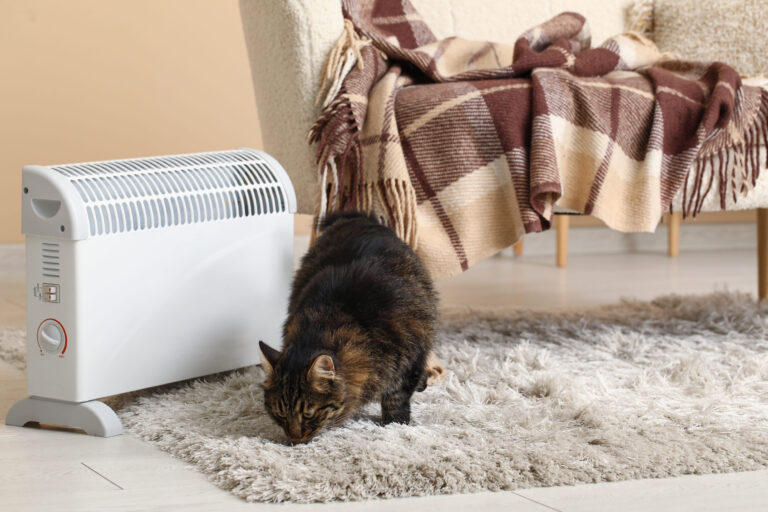
A slow cooker can keep mashed potatoes warm, an air fryer can crisp up Brussels sprouts, and a toaster oven can warm the rolls. Spreading the work across appliances also means less juggling at the stove. That matters, because the busiest kitchen of the year is exactly when cooks need to keep an eye on things near the stove that have no business being there.
6. The Family Recipes Get Passed Down
This is the change that often means the most. A Talker Research survey for Jennie-O found that 55% of Americans have a treasured Thanksgiving recipe passed down through their family, and 37% of those are excited to teach it to their children or grandchildren. Over half of those family recipes are more than 25 years old.
After 60, many cooks start thinking about who will make the stuffing when they no longer do. So the grandkids get pulled into the kitchen to crimp pie crusts, and the recipe card finally gets written down instead of living only in someone’s head. The family recipe survey found that nostalgia and the joy of sharing are the top reasons people keep making these dishes, and that sounds about right.
7. Hosting Duties Start to Rotate
At some point, the call comes. Your son says, “Mom, why don’t you come to us this year?” For some longtime hosts, that feels strange at first, maybe even a little sad. For many others, it is a huge relief.
A lot of families now rotate. One year Thanksgiving is at Grandma’s, the next year it is at the oldest daughter’s house, and Christmas goes somewhere else. The longtime host usually still brings something, and she usually still gets asked how long the turkey should rest. The difference is that she gets to walk in the door, hand off a pie, and pour herself a drink.
8. The Menu Gets Shorter and More Personal
When you are younger, it is easy to feel like the table needs 14 dishes or it does not count. After 60, many cooks start asking a simple question. Which dishes do people actually eat, and which ones just get scraped into the trash on Friday?
The answer usually leads to a smaller menu built around family favorites. Butterball’s survey found turkey, stuffing, pie and potatoes ranked as people’s favorite parts of the meal, and those are rarely the dishes that get cut. What gets dropped is the fussy salad nobody touches or the third kind of potato. The meal ends up feeling more like a family’s own tradition and less like a magazine spread.
The Best Part Comes After the Cooking
Ask people over 60 what they love about the holidays now, and food is only part of the answer. They talk about the stories at the table, the grandkids sneaking olives, and the long talk over coffee once the dishes are done. The cooking changes so that there is more room for all of that.
So if your holiday cooking looks different than it did 20 years ago, you are in good company. Maybe the bird is smaller and the green beans came from Wegmans. The people around the table probably will not mind one bit, as long as there is pie.