8 Things That Were Considered Polite in 1965 but Seem Odd Now
Manners in 1965 followed a script that most Americans had learned since childhood. Men tipped their hats, children addressed adults as “sir” and “ma’am,” and nobody would have dreamed of wearing blue jeans to a nice restaurant. Etiquette books by experts like Emily Post and Amy Vanderbilt sat on many family bookshelves.
Many of those customs grew out of genuine respect and consideration. But six decades later, some of them seem formal, fussy, or simply puzzling. A few would even be considered rude or uncomfortable today.
Looking back at these habits offers a fascinating glimpse into how much daily life has changed. Here are eight things that were considered polite in 1965 but seem odd now.
1. Men Tipping Their Hats
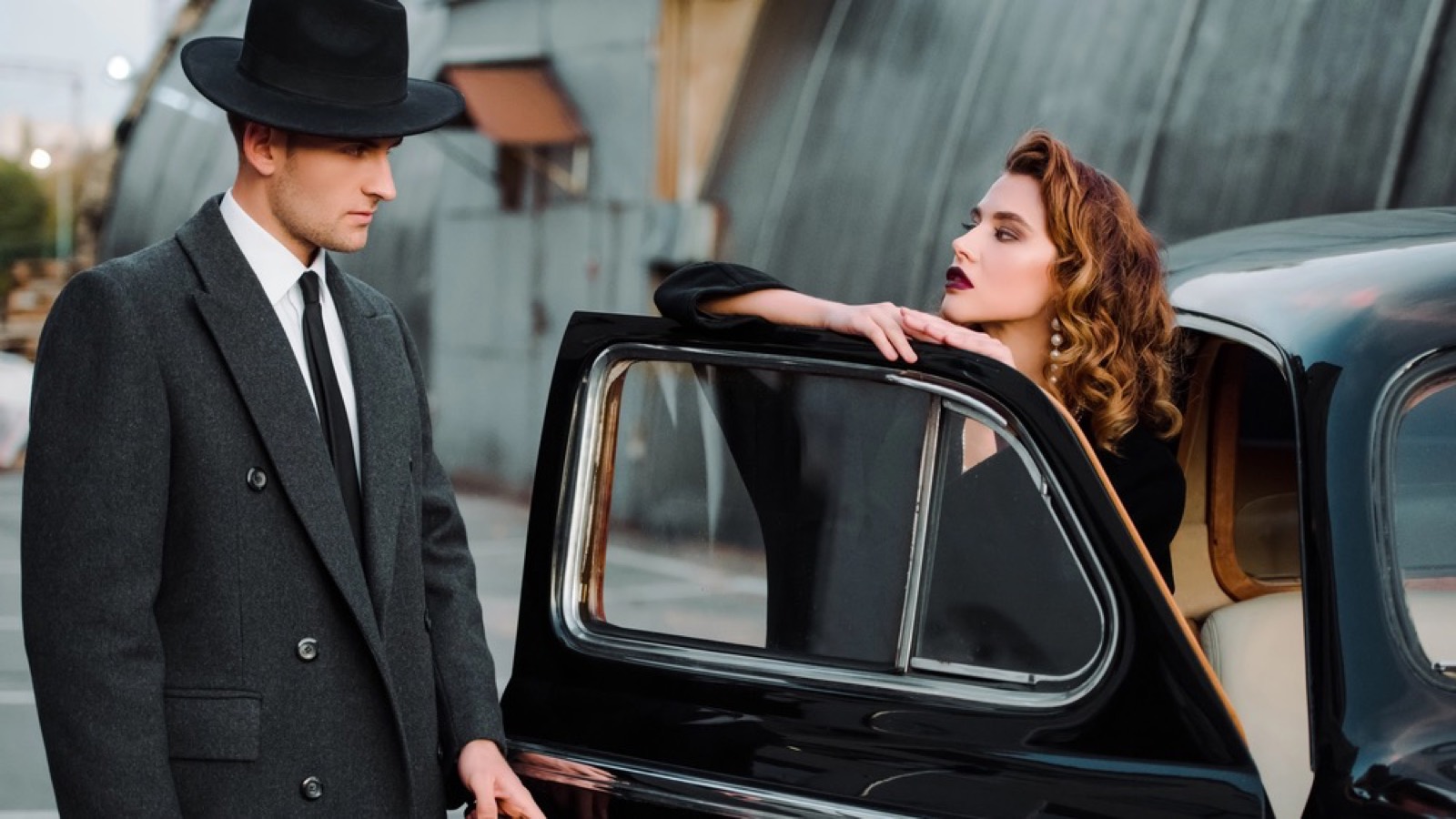
In 1965, many men still wore hats when they went out, and they tipped them to greet women and acquaintances. They removed their hats indoors, in elevators when women entered, and during the national anthem. It was a sign of respect.
Today, few men wear formal hats, and the custom of tipping them has largely disappeared. Baseball caps are common, but the old rules do not apply in the same way. The gesture seems old-fashioned to many younger people.
Some older men still remove their caps indoors or at the dinner table. They see it as a matter of respect. But the hat-tipping tradition has mostly faded.
2. Ladies Wearing Gloves in Public
In the early 1960s, many women wore gloves when they went shopping, to church, or to social events. White gloves were especially popular. They were considered a sign of refinement.
By the late 1960s, the custom was fading. Younger women preferred a more casual style. Today, gloves are mostly worn for warmth.
Many boomer women remember their mothers’ collection of gloves. They were part of a more formal era. Wearing gloves to the grocery store would seem very odd today.
3. Calling Cards and Formal Visits
In the past, people sometimes left calling cards when visiting friends or neighbors. These cards included the person’s name and were left if the host was not home. The custom was already fading by 1965 but still existed in some circles.
Formal visits were also more common. People made social calls to welcome new neighbors or offer condolences. These visits followed certain rules about timing and length.
Today, people text or call before visiting. Calling cards have been replaced by business cards and social media. The formal visit has become rare.
4. Children Speaking Only When Spoken To
In 1965, many children were taught to be quiet around adults unless addressed. They were expected to sit politely and not interrupt. “Children should be seen and not heard” was a common saying.
Today, many parents encourage children to express themselves. Children are often included in conversations. The old rule seems strict and outdated.
Some older adults still appreciate well-behaved children who do not interrupt. But the idea that children should be silent seems odd now. Parenting styles have changed greatly.
5. Dressing Up to Travel
In 1965, people dressed up to travel by airplane or train. Men wore suits and ties, and women wore dresses and heels. Flying was considered a special occasion.
Today, many travelers wear comfortable clothes like sweatpants and sneakers. Air travel is more common and less glamorous. Dressing up to fly seems unusual.
Many older Americans remember when flying felt luxurious. Meals were served on real plates, and flight attendants were formally dressed. It was a different experience entirely.
6. Smoking Etiquette
In 1965, smoking was common in homes, offices, restaurants, and even airplanes. Polite hosts offered guests cigarettes and provided ashtrays. Lighting a woman’s cigarette was a gentlemanly gesture.
Today, smoking is banned in many public places, and offering cigarettes to guests would seem strange. Health concerns have changed attitudes. The CDC warns about the dangers of secondhand smoke.
Many older people remember ashtrays on every table. They recall smoke-filled rooms at parties and family gatherings. These memories seem surprising to younger generations.
7. Addressing Women by Their Husband’s Name
In 1965, married women were often addressed by their husband’s full name. A woman might be called “Mrs. John Smith” on invitations and letters. It was considered proper etiquette.
Today, many women prefer to be addressed by their own names. Some keep their maiden names after marriage. Using a husband’s name to address a woman seems outdated to many.
This change reflects broader shifts in women’s roles and identities. Women now have more independence. Etiquette has evolved to reflect that.
8. Formal Dinner Settings at Home
In 1965, many families set formal tables for dinner, especially on Sundays and holidays. Tablecloths, cloth napkins, and multiple forks were common. Children learned which fork to use.
Today, many families eat casually, often in front of the TV or at the kitchen counter. Formal table settings are reserved for special occasions. Many young people do not know proper table settings.
Some families still enjoy formal dinners on holidays. They see it as a way to make the meal special. But everyday formal dining has become rare.
Men Standing When a Woman Entered
In 1965, a well-mannered man stood up when a woman entered the room or approached his table. He remained standing until she sat down. Boys were taught this rule from a young age.
Today, the custom is rarely practiced outside very formal settings. Many younger women would be surprised or even a little uncomfortable if a man rose to his feet for them. Still, some older gentlemen continue to do it out of habit, and many women find it charming.
Why Manners Have Changed
Manners have changed because society has changed. Life has become more casual, and gender roles have shifted. Technology has also changed how people communicate.
Some changes reflect progress, such as greater equality for women. Others reflect convenience and changing lifestyles. Many old customs simply no longer fit modern life.
What Remains the Same
While specific customs have changed, the core values of good manners remain the same. Respect, kindness, and consideration are still important. People still appreciate politeness.
Many modern etiquette experts emphasize courtesy and empathy. They encourage people to be thoughtful and respectful. These values never go out of style, as the Emily Post guidance on holiday guests shows.
Looking Back
For many older Americans, these customs bring back fond memories. They remember a time when life felt more formal and structured. Some miss those traditions.
Others are glad that some of these customs have faded. They appreciate the freedom and equality of modern life. Which of these 1965 manners do you miss, and which are you glad to see go? Many of them appear on lists of old-school etiquette rules that have disappeared.