8 Types of White Fish Worth Buying, and 2 to Buy More Carefully, According to Seafood Experts
Standing at the seafood counter can feel like taking a test you didn’t study for. Cod, haddock, pollock, and tilapia all look similar, yet their prices and cooking qualities can differ surprisingly. How do you know which one deserves a spot in your shopping cart?
The good news is you don’t need to be a seafood expert to choose wisely. The National Oceanic and Atmospheric Administration (NOAA) and Monterey Bay Aquarium’s Seafood Watch program offer guidance on responsibly sourced fish. Here are eight white fish worth considering and two that deserve a closer look before you buy.
Pacific Cod: The Reliable All-Rounder
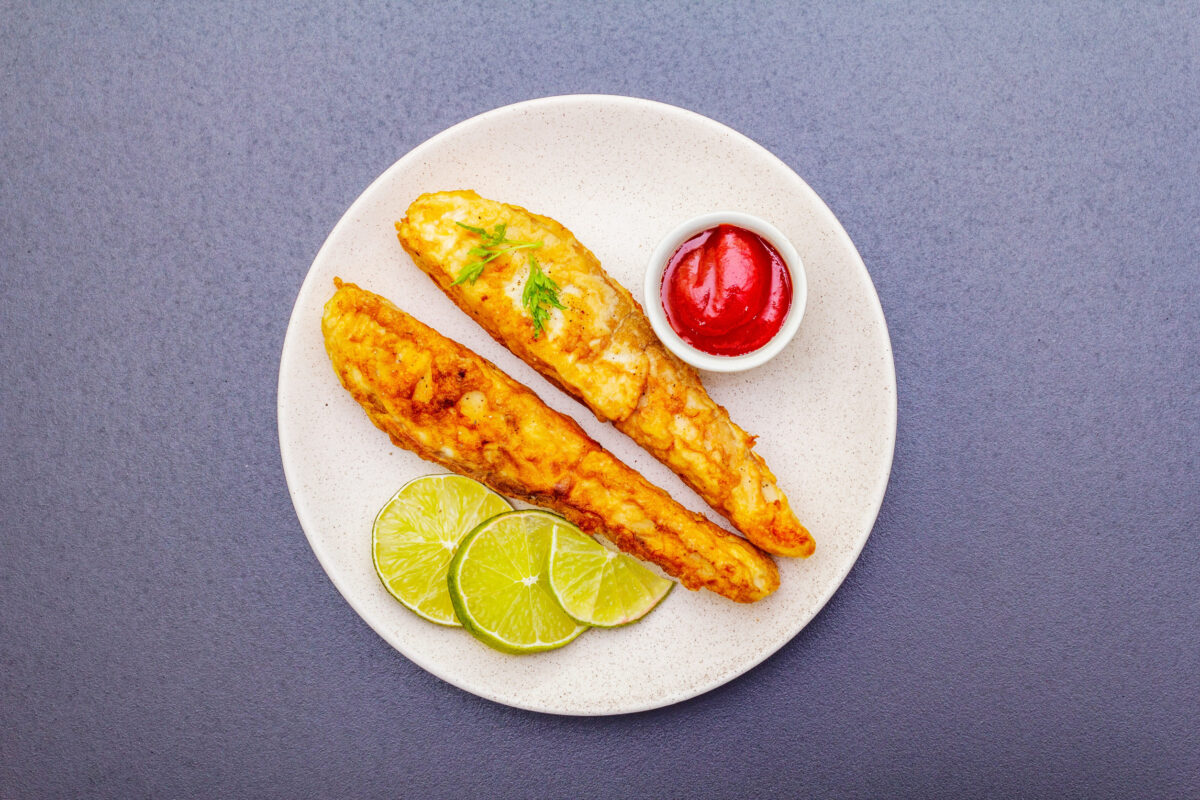
If you want one fish that can handle several dinner plans, Pacific cod deserves your attention. Its mild flavor and flaky texture work beautifully in fish tacos, baked dinners, and crispy fish and chips.
NOAA considers U.S. wild-caught Pacific cod a responsibly managed seafood choice. It is available frozen year-round, making it easy to stock your freezer.
The catch? It can become overcooked if you aren’t careful. In the October 22, 2026, research, a frozen 16-ounce package of Good & Gather Alaska cod was listed at Target for $13.99, though prices vary by location.
Related:6 Most Dangerous Creatures Beneath the Waves
Haddock: A Little Sweetness Goes a Long Way
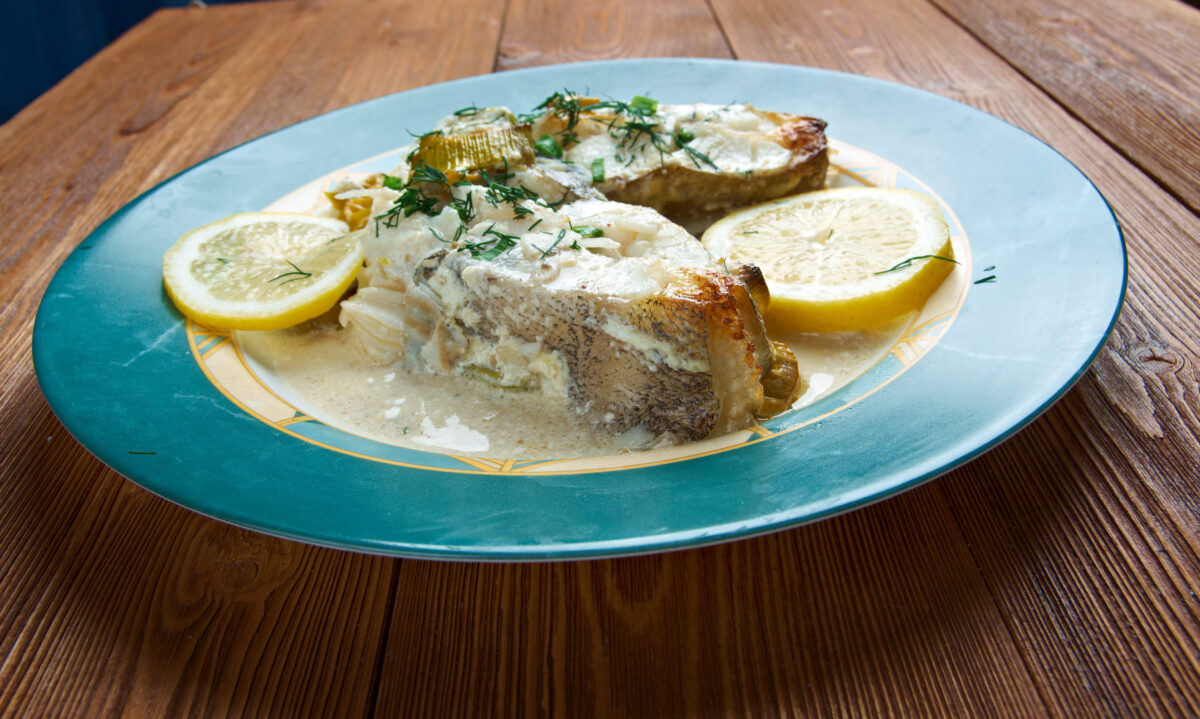
Haddock doesn’t always get the attention cod receives, but it has plenty going for it. Its slightly sweet flavor and tender, delicate flakes make it particularly appealing for baked and fried dishes.
According to NOAA, haddock has a finer flake than cod. That makes it a good option when you want a tender fish that tastes great without an elaborate recipe.
Try baking it with butter, lemon, and your favorite seasonings. Handle the fillets gently, as their delicate texture can cause them to break apart.
Alaska Pollock: The Everyday Dinner Favorite
You may have eaten Alaska pollock without realizing it. This mild white fish is commonly used in fish sticks, sandwiches, and other prepared seafood products.
But don’t overlook plain pollock fillets. You can bake them, season them for tacos, or cook them into a quick weeknight dinner.
NOAA identifies U.S. wild-caught Alaska pollock as a responsibly managed choice. Frozen pollock is available year-round, although shoppers should distinguish plain fillets from breaded products when comparing prices.
Pacific Halibut: When You Want Something Special
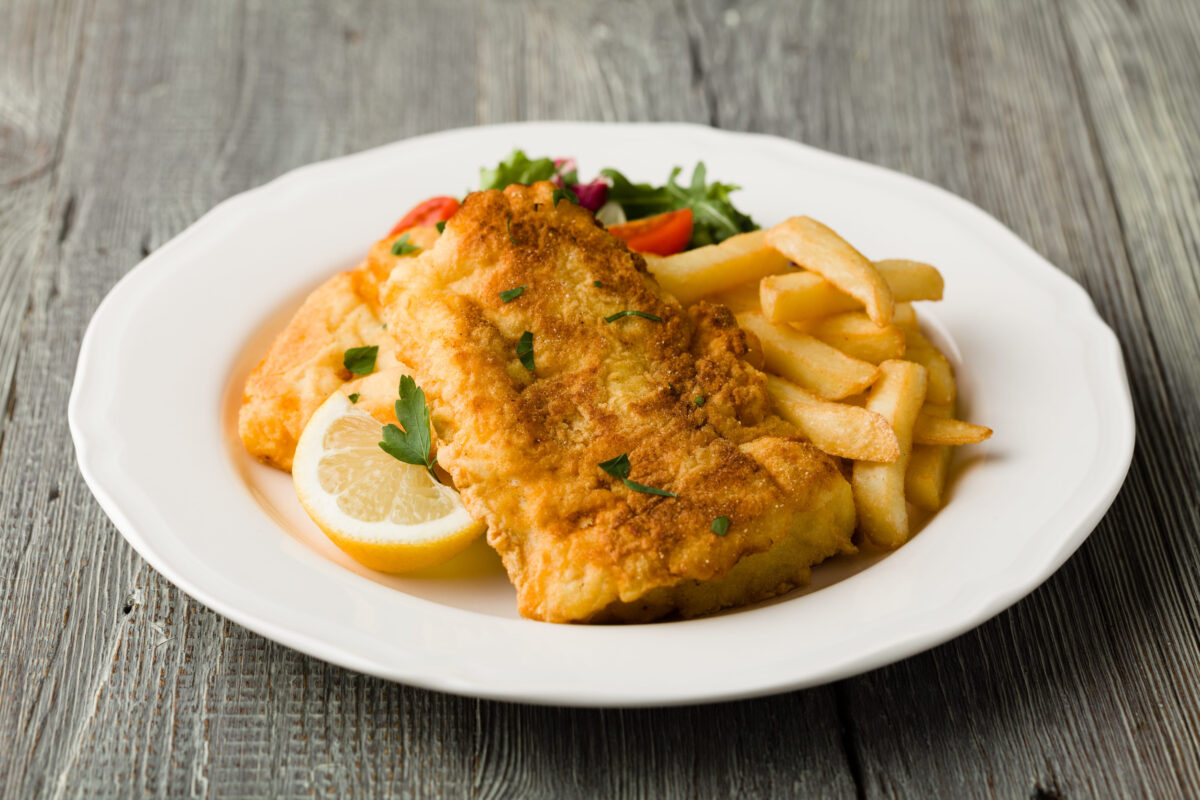
Some dinners call for a fish that feels a little more substantial. Pacific halibut fits that description, with firm, tender flesh and a mild, slightly sweet flavor.
Unlike softer white fish, halibut holds its shape well during cooking. That makes it a particularly useful choice for grilling, pan-searing, or baking.
NOAA recommends responsibly harvested U.S. Pacific halibut, with frozen products available year-round. If you’re shopping for a special dinner, look for clearly labeled Pacific halibut and select portions with a thickness suited to your cooking method.
U.S.-Farmed Catfish: Don’t Overlook This Southern Favorite
Catfish deserves more attention outside the traditional Southern fish fry. Its moist, firm flesh and mild, slightly sweet flavor work well with bold seasonings.
You can coat it in cornmeal for a crispy dinner, but baking and grilling are also practical options. Unlike delicate white fish, catfish has a denser texture that stands up nicely to different preparations.
Monterey Bay Aquarium’s Seafood Watch specifically recommends U.S.-farmed catfish. A two-pound frozen Great Value package was listed at Walmart for $13.24 in the research, approximately $6.62 per pound.
Responsibly Sourced Tilapia: Simple and Versatile
Tilapia may not be the most exciting fish in the freezer aisle, but its versatility is hard to ignore. Its mild taste makes it a convenient starting point for lemon, garlic, herbs, or your favorite seasoning blend.
It’s also easy to prepare without complicated techniques. Baking, pan-frying, and steaming all work well with its tender fillets.
Seafood Watch specifically recommends tilapia from Aquaculture Stewardship Council (ASC)-certified farms. One researched Walmart listing showed two pounds of frozen tilapia for $8.87, but check the package’s actual certification rather than assuming every tilapia product has the same sourcing rating.
Pacific Whiting: A Budget-Friendly Fish Worth Trying
Not every worthwhile seafood dinner needs an expensive fillet. Pacific whiting, also called Pacific hake, has a mild, slightly sweet flavor and softer flesh than cod.
That softer texture makes it ideal for fish cakes, lightly battered fish, and other preparations that don’t need a thick, firm fillet. Handle it gently during cooking to keep the pieces intact.
NOAA considers U.S. wild-caught Pacific whiting a responsibly managed seafood choice. One researched listing showed a two-pound frozen package at Walmart for $8.72, making it an appealing option to compare against other plain frozen fish.
Related:10 Grocery Items Americans Are Cutting Back On Due to Inflation
Yellowtail Rockfish: A Fish Worth Getting to Know
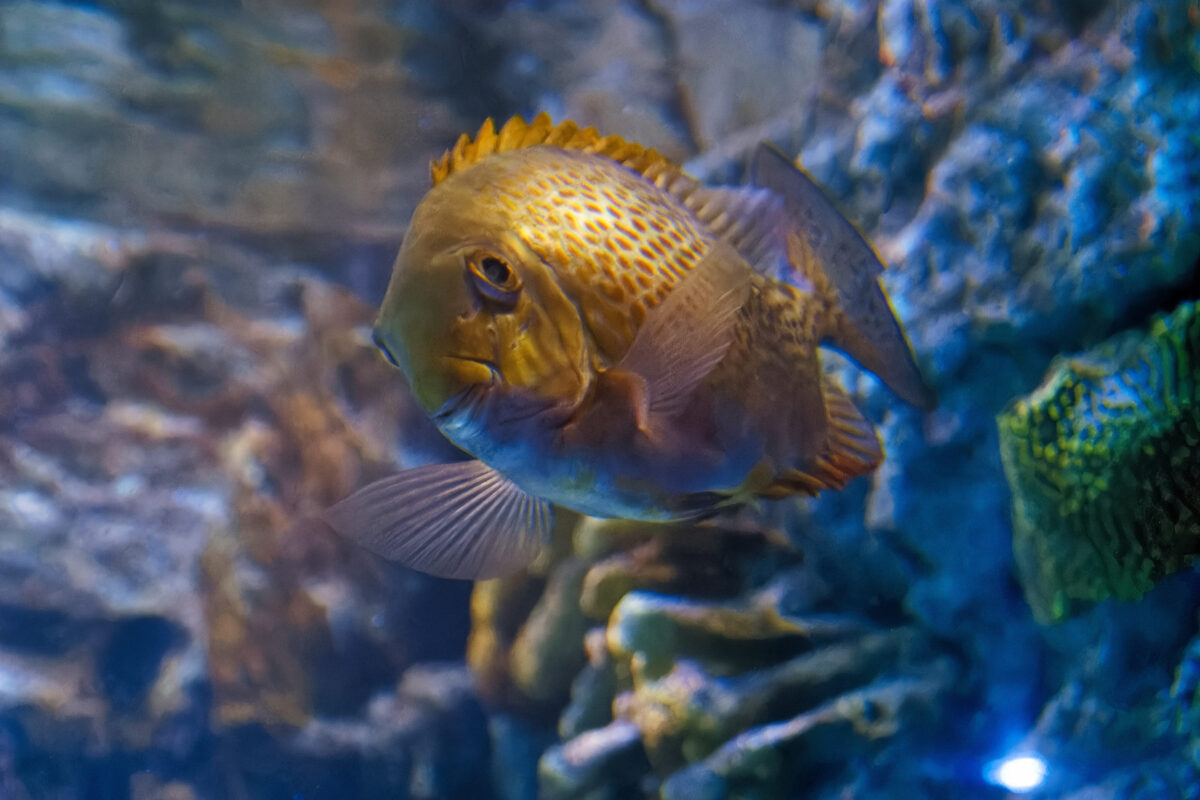
Rockfish doesn’t appear on every supermarket shopping list, but yellowtail rockfish is worth considering. NOAA describes it as mildly sweet, with medium-to-firm flesh and flakes larger than those of some delicate white fish.
It works well in baked dishes, grilled kebabs, and fish tacos. Its texture makes it a useful alternative when you want something different from cod or tilapia.
There’s one important shopping detail, though. Rockfish refers to multiple species, so look for clearly identified U.S. yellowtail rockfish rather than assuming every product labeled rockfish has the same sourcing assessment.
Orange Roughy: Check the Fishery Before Buying
Orange roughy deserves extra attention at the seafood counter. Seafood Watch gives orange roughy caught by bottom trawling in New Zealand’s ORH1 Northern North Island fishery an Avoid rating.
Its concerns include the species’ slow reproduction, uncertainty about the assessed stock, and potential impacts on deep-sea habitats.
However, that warning doesn’t apply automatically to every orange roughy product. Some fisheries hold Marine Stewardship Council certification, so checking the exact source matters. If the origin isn’t clear, responsibly sourced Pacific cod is an easier alternative.
Vietnamese Swai: Certification Makes the Difference
Swai often attracts attention because it’s a mild white fish that can be sold at an accessible price. However, where and how it was farmed matters when making an environmentally responsible purchase.
Seafood Watch advises avoiding Vietnamese farmed pangasius unless it comes from recommended certified sources. Its concerns include chemical use and pollution associated with some farming operations.
The important distinction is that certified options exist. Seafood Watch recognizes exceptions for ASC, Best Aquaculture Practices (BAP), and Naturland-certified products. If you’re uncertain about a product’s sourcing, U.S.-farmed catfish offers another option.
conclusion
The best white fish isn’t necessarily the most expensive or the most familiar. Choose based on how you plan to cook it, the texture you enjoy, and what the label tells you about its source. A little attention at the seafood counter can make your next fish dinner both easier and more satisfying.