9 American Foods That Are Banned or Restricted in Other Countries
Americans grow up with certain foods that seem perfectly ordinary: brightly colored cereals, boxed mac and cheese, sliced white bread and sugary sports drinks. But travel abroad, and you may find that some of these familiar products are sold in different versions, carry warning labels or aren’t sold at all.
Countries regulate food ingredients differently. The European Union, the United Kingdom, Canada, Japan and others sometimes restrict additives, dyes or farming practices that are allowed in the United States. In many cases, American companies make different versions of the same products for other markets. It doesn’t always mean the American version is banned outright, but the rules can be very different. Here are nine American foods and ingredients that are banned or restricted in other countries, based on how food rules differ around the world.
1. Foods With Red Dye No. 3
Red Dye No. 3, also called erythrosine, has been used to give candy, frosting and some baked goods a bright cherry-red color. The European Union has restricted it to very limited uses for decades, mainly in certain cocktail cherries.
In January 2025, the U.S. Food and Drug Administration announced it would revoke authorization for Red No. 3 in food, giving manufacturers until January 2027 to remove it. California had already passed its own ban. Until the federal deadline, some American products may still contain it.
2. Breakfast Cereals With Artificial Dyes
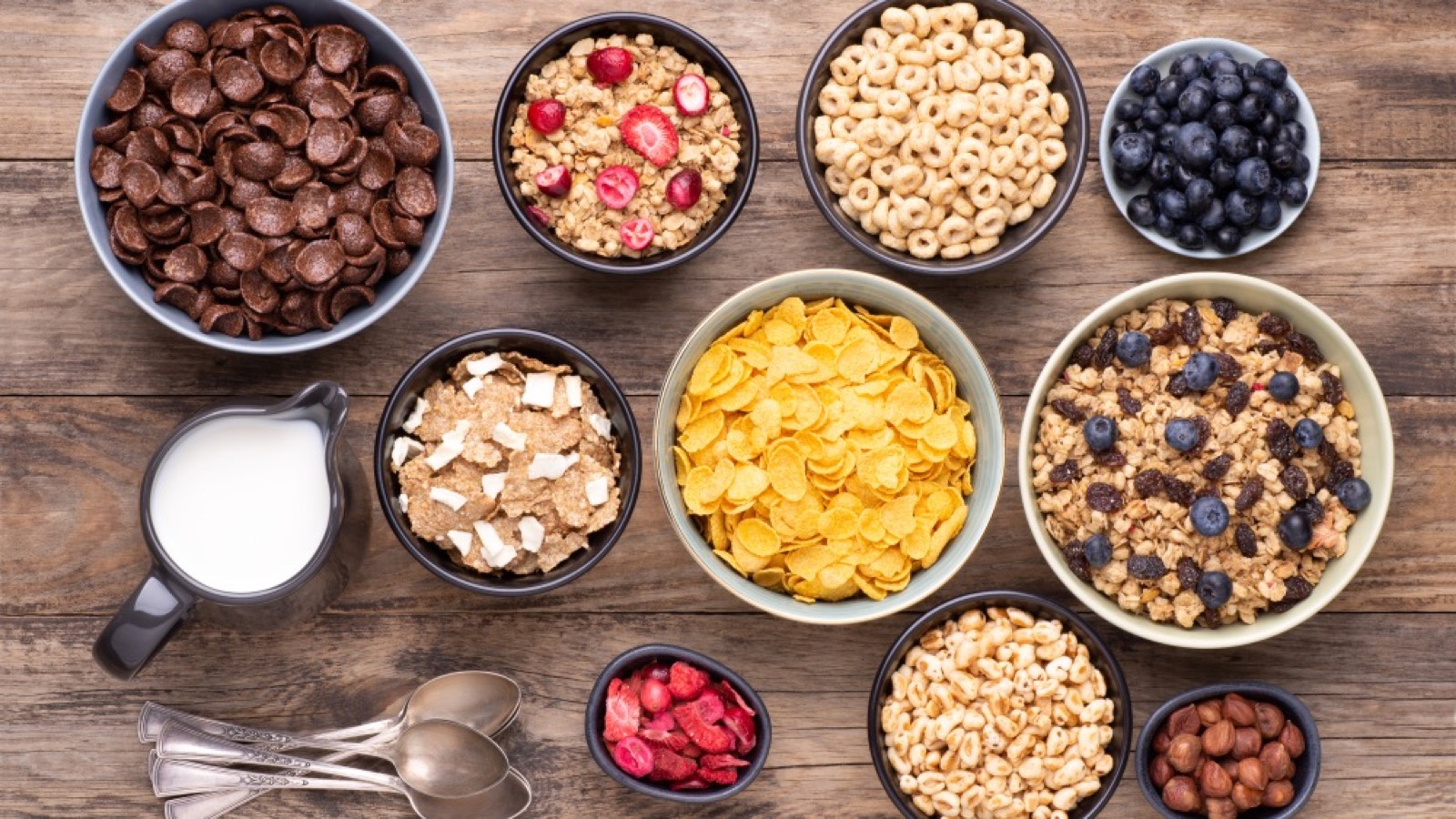
Many brightly colored American cereals have used artificial dyes like Red 40, Yellow 5 and Yellow 6. In the European Union, foods containing certain dyes must carry a warning label saying they may affect activity and attention in children. Because of that, many companies use natural colorings like beet juice, paprika or turmeric in European versions.
That’s why some cereals look different in Europe than they do in the U.S. Several major American food companies have announced plans to remove artificial dyes from their U.S. products in the coming years as well.
3. Bread Made With Potassium Bromate
Potassium bromate has been used in some American bread and baked goods to strengthen dough and help it rise. It’s banned as a food additive in the European Union, the United Kingdom, Canada and several other countries.
In the U.S., it’s still permitted under federal rules, but many bakers have stopped using it. California passed a law banning it starting in 2027, and some other states have considered similar bans. Shoppers who want to avoid it can check ingredient labels.
4. Chlorine-Washed Chicken
In the United States, poultry processors may use chlorine and other antimicrobial washes to kill bacteria on chicken. The European Union has long restricted this practice and doesn’t allow imports of chicken washed this way.
European officials argue that food safety should be ensured throughout the farming process rather than with a chemical wash at the end. The issue has come up repeatedly in trade negotiations between the U.S. and Europe and the U.K.
5. Beef From Cattle Raised With Growth Hormones
Many American cattle are raised using growth-promoting hormones, which help them gain weight faster. The European Union bans the use of these hormones in beef production and doesn’t allow imports of beef from cattle treated with them.
American beef sold in Europe must come from cattle raised without these hormones. The dispute has been part of U.S.-EU trade disagreements for decades, and it’s one reason American beef exports to Europe are limited.
6. Pork From Pigs Fed Ractopamine
Ractopamine is a feed additive used to make pigs leaner. It’s approved in the United States but banned or restricted in many countries, including the European Union, China and Russia.
American pork producers who export to those markets must raise pigs without ractopamine. Many producers now offer ractopamine-free pork to keep access to international buyers.
7. Sports Drinks and Sodas With Brominated Vegetable Oil
Brominated vegetable oil, known as BVO, was once used in some citrus-flavored sodas and sports drinks to keep flavors evenly mixed. It’s been banned in the European Union and Japan for years.
In 2024, the FDA revoked its approval for BVO in food, and most major beverage companies had already removed it. Older Americans may remember it as an ingredient in popular citrus sodas from decades ago.
8. Some Candies and Snacks With Titanium Dioxide
Titanium dioxide is a whitening agent used in some candies, frostings and baked goods to give them a bright, opaque color. The European Union banned it as a food additive in 2022.
It remains permitted in the United States, though some companies have removed it voluntarily. Arizona’s new law on foods sold at public schools includes it on its list of restricted additives, and other states have considered similar measures.
9. Raw Milk Cheeses (the Reverse Case)
Here’s a twist: some foods are restricted in America but common elsewhere. Many European cheeses are made with raw, unpasteurized milk. In the U.S., raw milk cheeses must be aged at least 60 days before they can be sold, which keeps some soft European cheeses off American shelves.
It’s a reminder that food rules go both ways. Every country makes its own decisions about what’s safe and acceptable, based on its own science, history and traditions. Even state rules differ widely, and a few laws about food around the world might surprise you.
Why Rules Differ
Different countries take different approaches to food safety. The European Union often uses a “precautionary principle,” restricting ingredients when there’s uncertainty. The United States tends to allow ingredients until there’s stronger evidence to remove them, though that’s been changing.
Trade, tradition and politics also play a role. Food regulations are often tied to farming practices and trade agreements, which makes them complicated to change.
Some Products Simply Look Different Abroad
Travelers often notice that familiar American brands look a little different overseas. A candy or snack may be less brightly colored, use different sweeteners or have a different ingredient list. That’s because companies adjust their recipes to meet local rules and customer preferences.
It’s also worth remembering that rules can change quickly. Several ingredients on this list are already being phased out in the United States, and companies are reformulating products to keep up with new federal and state laws.
Changes Are Coming in the U.S.
In recent years, American food rules have been shifting. The FDA has moved to remove some ingredients, and many states have passed their own laws restricting dyes and additives, especially in school foods. Major food companies have also announced plans to change their recipes.
For shoppers, the easiest way to know what’s in your food is to read ingredient labels. As rules continue to change, the differences between American foods and their versions abroad may shrink. Until then, the label on the back of the box is still the best guide shoppers have.