9 American Foods That Started as Immigrant Street Food
Some of the most American foods you can think of didn’t start in fancy restaurants or home kitchens. They started on street corners, in pushcarts and at busy market stalls run by immigrants who were trying to make a living in a new country. Many of those vendors sold the foods they grew up eating back home, adapted for American customers and American ingredients.
Over time, those humble street snacks became national favorites. Today, they’re sold at ballparks, chain restaurants and grocery stores across the country, and most people never think about where they came from. Here are nine American foods that got their start as immigrant street food.
1. Hot Dogs
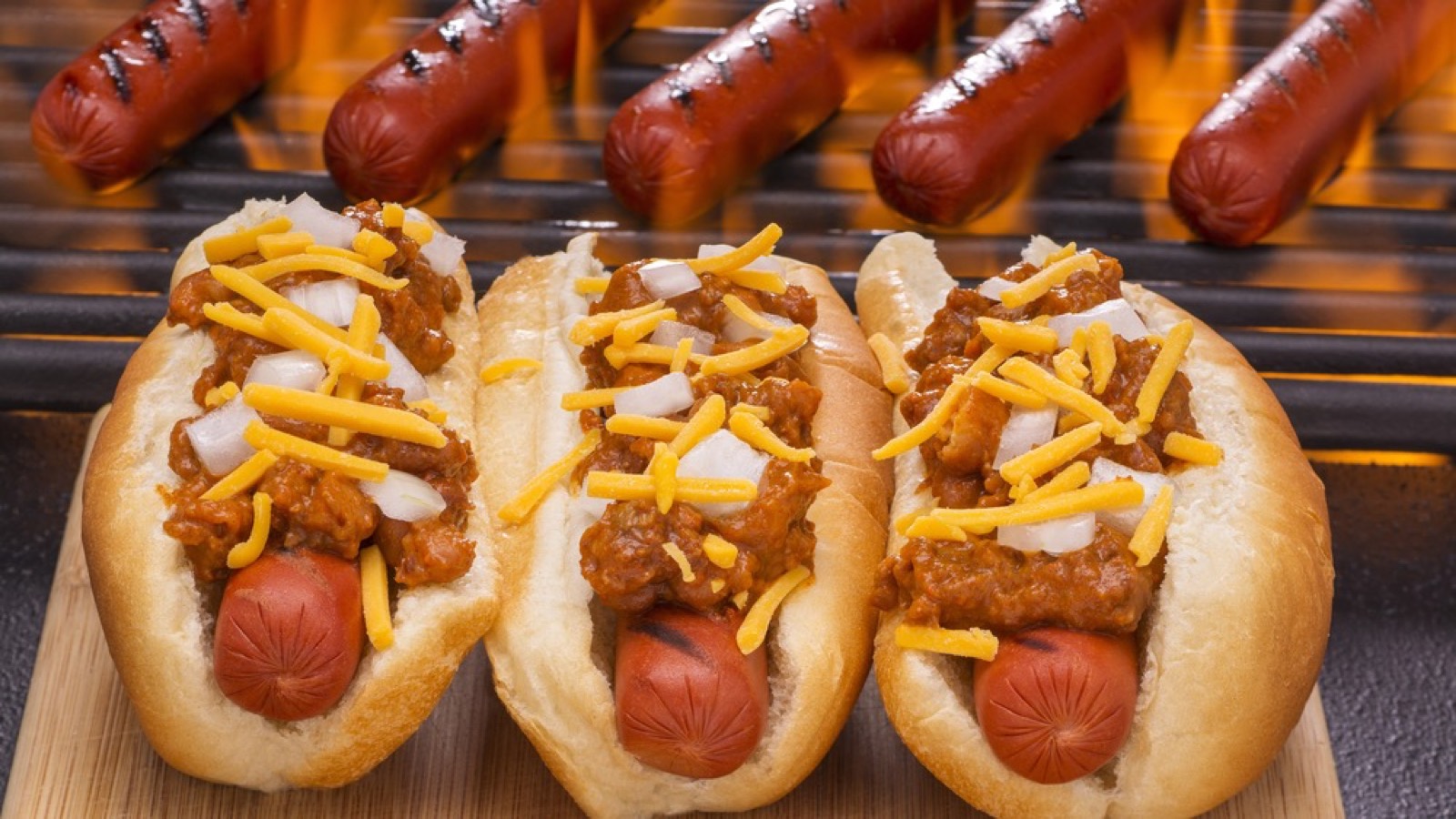
The hot dog traces back to German immigrants who brought sausages like frankfurters and wieners to America in the 1800s. Charles Feltman, a German immigrant, is often credited with selling sausages on rolls from a cart at Coney Island in the 1860s. It was a cheap, easy meal people could eat while walking.
In 1916, Nathan Handwerker, an immigrant from Poland, opened a hot dog stand at Coney Island and sold them for a nickel. Nathan’s Famous grew into one of the best-known hot dog brands in the country. Today, hot dogs are as American as baseball, but their roots lie in immigrant pushcarts.
2. Soft Pretzels
German immigrants also brought pretzels to America, especially to Pennsylvania. In 1861, Julius Sturgis opened what is often called the first commercial pretzel bakery in the country, in Lititz, Pennsylvania. Pretzels soon became a staple snack in the region.
In Philadelphia, street vendors sold soft pretzels from carts on nearly every corner. Many people grabbed one on the way to work or school. The Philly soft pretzel is still a beloved local tradition, and soft pretzels are now sold at malls and ballparks nationwide.
3. Bagels
Bagels arrived in America with Jewish immigrants from Eastern Europe in the late 1800s. On New York’s Lower East Side, peddlers sold bagels from carts and baskets, sometimes stringing them on poles or ropes. They were cheap, filling and easy to carry.
Bagel bakeries became a fixture of Jewish neighborhoods in New York and other cities. By the late 20th century, bagels had spread across the entire country. Today, you can find them in supermarkets, coffee shops and breakfast chains far from their New York roots.
4. Pizza
Pizza came to America with Italian immigrants, especially those from Naples. In the late 1800s and early 1900s, pizza was often sold from bakeries and street vendors in Italian neighborhoods. It was a simple, inexpensive food for working families.
Lombardi’s in New York City, which dates to 1905, is often called America’s first pizzeria. After World War II, returning soldiers who had tasted pizza in Italy helped spread its popularity. Today, pizza is one of the most popular foods in the United States.
5. Knishes
Knishes are dough pockets usually stuffed with potato, and they came to America with Jewish immigrants from Eastern Europe. On the Lower East Side, vendors sold them from pushcarts to hungry workers. They were hearty, cheap and easy to eat on the go.
Yonah Schimmel, a Romanian immigrant, started out selling knishes from a pushcart and opened his own knish bakery on Houston Street in 1910. The shop is still in business more than a century later. Knishes are now a classic New York street food, sold at delis and hot dog stands.
6. Tamales
Mexican tamales were sold by street vendors in cities like San Antonio and Los Angeles in the late 1800s. Vendors carried them in steaming pails or sold them from carts, calling out to customers on busy streets. They were a warm, filling meal for workers and families.
Tamales spread far beyond the Southwest, too. In the Mississippi Delta, hot tamales became a regional specialty with their own distinctive style. Today, tamales are a holiday tradition for many families and can be found in restaurants and grocery freezers nationwide.
7. Chili
In San Antonio, Texas, women known as the “Chili Queens” sold bowls of chili con carne from outdoor stands in the city’s plazas starting in the late 1800s. Their stalls were lit by lanterns, and customers gathered around to eat late into the night. The chili was spicy, cheap and filling.
The stands became a famous part of San Antonio’s culture and drew visitors from across the country. Health regulations eventually closed most of them in the 1930s. But the chili they made helped launch a dish that’s now a national favorite, from Texas to Cincinnati.
8. Ice Cream From Street Vendors
In the late 1800s, Italian immigrants in cities like New York sold ice cream from street carts. Vendors were sometimes called “hokey pokey men,” and they served small portions of ice cream to children and workers for a penny or two. It was one of the first times many working-class Americans could afford a frozen treat.
Those street vendors helped make ice cream an everyday pleasure instead of a luxury for the wealthy. Over time, ice cream trucks, parlors and grocery store freezers took their place. The idea of buying ice cream from someone on the street still lives on in the ice cream truck.
9. Tacos From Food Trucks
Tacos have long been sold by street vendors in Mexico, and Mexican immigrants brought the tradition to the United States. In 1974, Raul Martinez turned an old ice cream truck into a taco truck in East Los Angeles, a move often credited with helping launch the modern taco truck. His business, King Taco, grew into a well-known restaurant chain.
Taco trucks spread across Southern California and eventually throughout the country. Today, food trucks of all kinds are a major part of American dining. Tacos remain one of the most popular street foods in the nation.
Why Street Food Shaped American Eating
Immigrant street food thrived because it was affordable, quick and full of flavor. Workers needed meals they could eat on the go, and vendors needed a way to earn a living without opening a full restaurant. The result was a wave of foods that eventually became part of everyday American life.
Many of these foods are now so common that people forget they were once considered foreign. They show how much immigrants have shaped the way Americans eat. For more on the regional roots of favorite dishes, see these American foods named after the places they come from.